


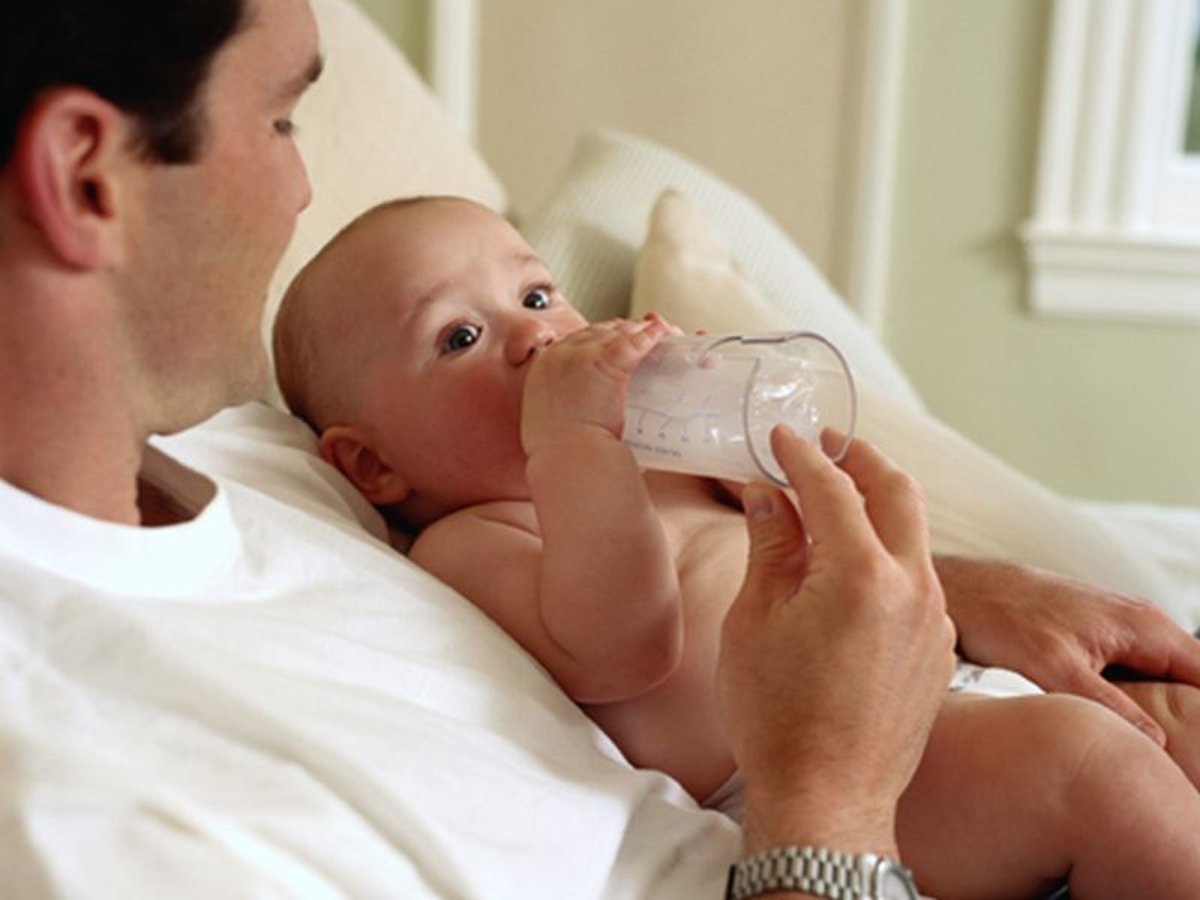
 Nonbreastfeeding infants more likely to meet the guidelines than breastfeeding infants
MONDAY, May 18, 2020 (HealthDay News) — Since 2009, there has been no improvement in meeting the American Academy of Pediatrics (AAP) guidelines for vitamin D intake, according to a study published online May 18 in Pediatrics.
Alan E. Simon, M.D., from the National Institutes of Health in Rockville, Maryland, and Katherine A. Ahrens, Ph.D., M.P.H., from the Muskie School of Public Service at the University of Southern Maine in Portland, analyzed dietary recall data for infants aged 0 to 11 months in the 2009 to 2016 National Health and Nutrition Examination Survey. The percentage meeting 2008 AAP vitamin D guidelines was estimated. Trends were assessed over time, and differences across demographic subgroups were explored.
The researchers found that 27.1 percent of U.S. infants met vitamin D intake guidelines in 2009 to 2016, with nonbreastfeeding infants significantly more likely than breastfeeding infants to meet guidelines (31.1 versus 20.5 percent). No significant changes were seen in the percentage of infants who met the guidelines from 2009-2010 to 2014-2015 overall and for both breastfeeding and nonbreastfeeding infants. Among breastfeeding infants, the likelihood of meeting guidelines was higher in homes with a family income ≥400 percent of the federal poverty level, a college graduate as head of household, and private insurance.
“These findings suggest that renewed consideration of how to best meet vitamin D intake guidelines is warranted,” the authors write.
 Recommendations Issued for Use of Incretin-Based Meds in Pregnancy
  Serum 25(OH)D May Serve as Biomarker of Disease Activity in IBD
  Eating More Ultraprocessed Foods Heightens Risk for Chronic Diseases
  Maternal Vitamin D Status Linked to Preterm Delivery
  Low Levels of Placental Growth Factor in Pregnancy Linked to Subsequent ADHD in Offspring
  Nutritional Deficiencies Seen in Youth Taking GLP-1 Receptor Agonists
  IBD Not Linked to Risk for Hypertensive Disorders of Pregnancy Overall
  Mom"s Poor Sleep in Late Pregnancy Linked to Offspring"s Obesity Risk in Early Childhood

.jpg)

