 Algorithm based on retinal photographs plus lifestyle (diet and smoking) and demographic data
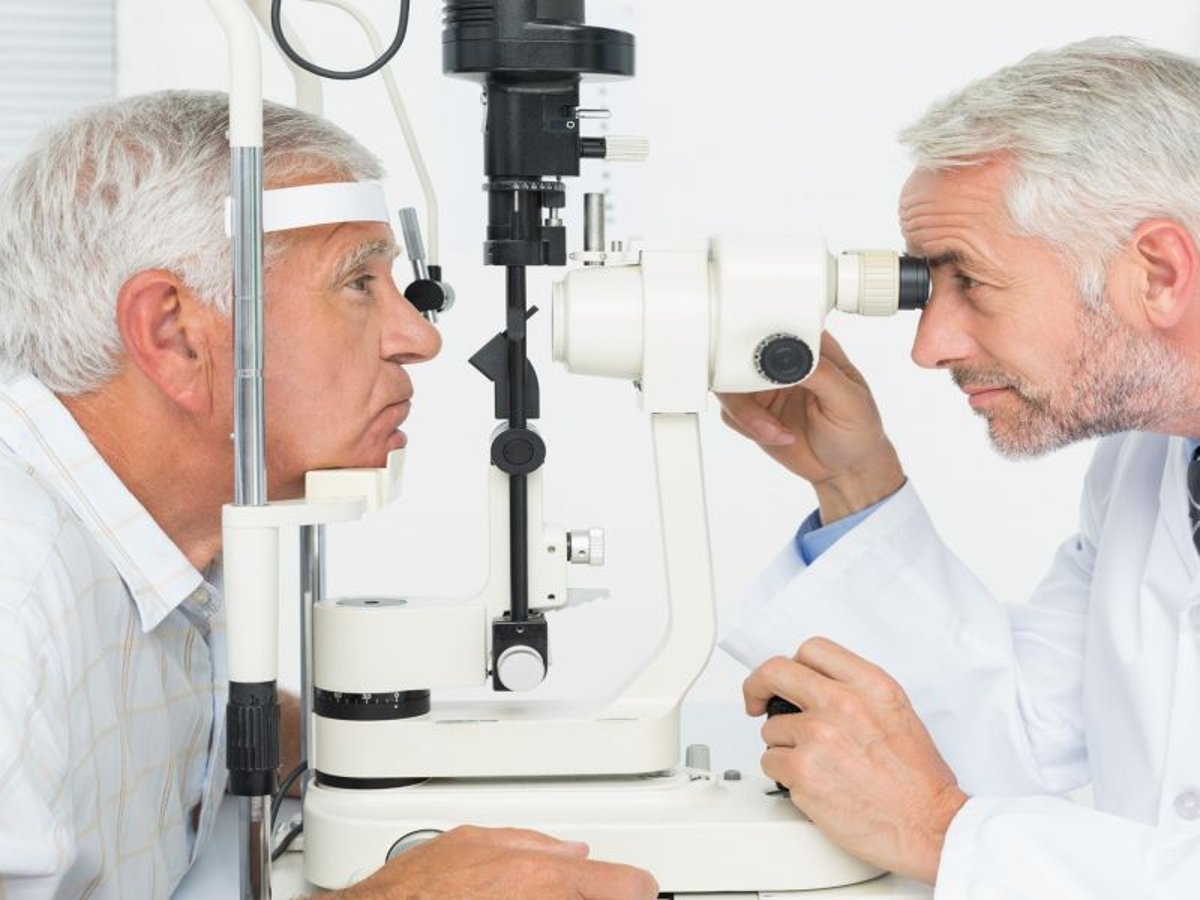
WEDNESDAY, May 27, 2020 (HealthDay News) — A new artificial intelligence algorithm can predict risk for age-related macular degeneration (AMD), according to a study published in the April issue of Translational Vision Science and Technology.
Alauddin Bhuiyan, Ph.D., from iHealthScreen Inc. in New York City, and colleagues used 116,875 color fundus photos from 4,139 participants of the Age-related Eye Disease Study to develop a machine learning technique that can predict risk for progression to late AMD within one or two years. This model, which includes sociodemographic and clinical data, was validated using data from the Nutritional AMD Treatment-2 (NAT-2) study.
The researchers found that for identification of early/none versus intermediate/late (e.g., referral level) AMD, the model achieved 99.2 percent accuracy. Overall, for a two-year incidence of late AMD (any), the prediction model achieved 86.36 percent accuracy, with 66.88 percent for late dry AMD and 67.15 percent for late wet AMD. Using data from the NAT-2 study, the two-year late AMD prediction accuracy was 84 percent.
“Validated color fundus photo-based models for AMD screening and risk prediction for late AMD are now ready for clinical testing and potential telemedical deployment,” the authors write.
 Smartwatches Significantly Overestimate How Many Calories Are Burned
  Gaining an Hour of Sleep May be Protective Against Retinal Disease
 .jpg) Semaglutide Not Linked to Higher Neovascular Age-Related Macular Degeneration Risk
Semaglutide Not Linked to Higher Neovascular Age-Related Macular Degeneration Risk  Renal Impairment Linked to Age-Related Macular Degeneration
 .jpg) Recommendations Updated for Management of Anemia in CKD
Recommendations Updated for Management of Anemia in CKD  More Advanced CKM Syndrome Linked to Worse Cardiovascular Health
  Biomarkers Plus Kidney Donor Profile Index Improve Prediction of Concordant Allograft Outcomes
  2011 to 2021 Saw Heart Failure-Related Hospitalization Rise in CKD