The 2020 American Academy of Orthopaedic Surgeons Virtual Education Experience
The originally scheduled annual meeting of the American Academy of Orthopaedic Surgeons was canceled this year due to the COVID-19 pandemic. As a substitute, the academy offered a virtual education experience, featuring medical, clinical, and scientific research spanning all orthopedic subspecialties. The virtual experience highlighted recent advances in the diagnosis and management of musculoskeletal conditions, with content focused on joint fractures, osteoarthritis, and other musculoskeletal injuries as well as factors impacting joint replacement procedure outcomes.
In one study, Wellington K. Hsu, M.D., of the Northwestern University Feinberg School of Medicine in Chicago, and colleagues found that the incidence of concussions among high school athletes has increased despite efforts to improve awareness and traumatic brain injury laws.
“We previously showed that girls soccer can present an even greater risk for concussion than boys football, and the more recent data continue to support this. Participation rates for boys football has also declined over the past three years,” Hsu said. “What was surprising with the more recent data is that other sports have seen a significant increase over the past three years such as girls volleyball. Our data suggest that while we expected the incidence of concussions in young adolescent athletes to level off over this period of time, we are still seeing increases with certain sports.”
According to Hsu, the data suggest that awareness of this problem is important for all players, even in traditionally low-risk sports such as girls volleyball.
“Athletic trainers, team physicians, and coaching staff of all sports should be aware of the incidence, diagnosis, and management of sports-related concussions,” Hsu added.
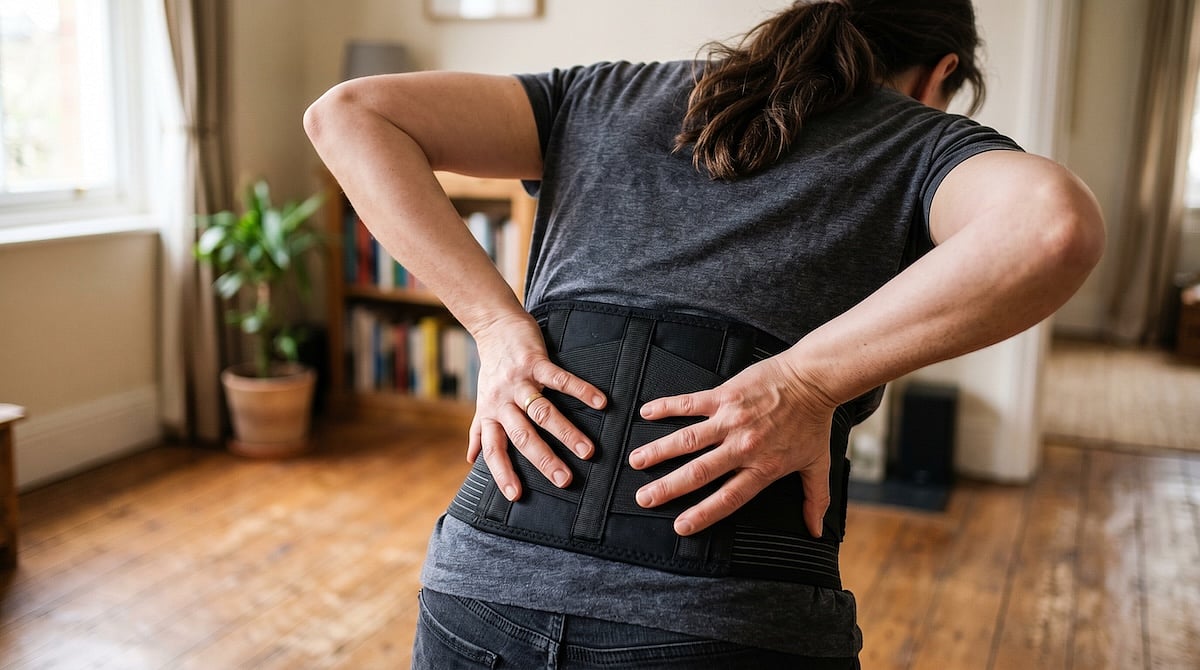
In another study, Timothy Leroux, M.D., of the University of Toronto, and colleagues found that patients with chronic musculoskeletal (MSK) pain are commonly using cannabis to manage these symptoms, and among those who are not, many have an interest in doing so.
The investigators found that 23 percent of patients with chronic MSK pain presenting to an orthopedic surgeon have used or are currently using cannabis with the specific intent to manage their pain.
“Moreover, we found the self-reported efficacy of cannabis to approach 90 percent among those patients,” Leroux said. “However, we need to balance these findings with proper science, specifically studies that use standardized doses of cannabinoids and use a placebo-control group. The intent of this study was to set the stage for such a study and understand the current behaviors of our patients in a postlegalization society.”
The investigators found that upwards of 40 percent of patients reported a decrease in other pain medicine use while consuming cannabis.
 Preoperative IV Iron Beneficial for Patients With Anemia Undergoing Cardiac Surgery
  Adenotonsillectomy Tied to Increase in Respiratory Tract Infections in Children
  Robotic Arm-Assisted TKR Offers Similar Outcome to Conventional TKR
  Preoperative Chemo + Immunotherapy Combo Shrinks Head, Neck Cancer Tumors
  Azacitidine + Venetoclax Tied to Improved Event-Free Survival in Adults With AML
  Cancer Risk ID"d for Asian American, NHPI Population
 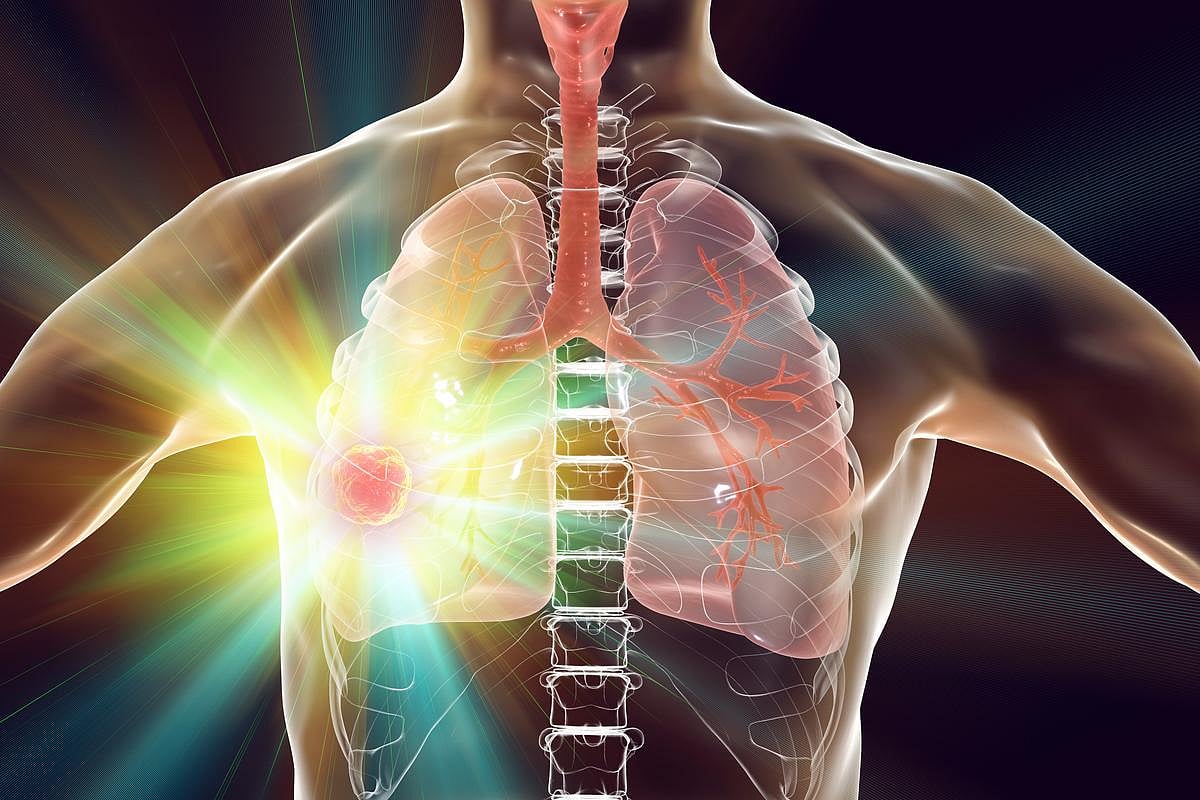 Thymic Radiation Linked to Worse Outcomes in Patients With NSCLC
  Aircrew Face Higher Odds of Radiation-Related Cancer Deaths