 Proportion of fractures occurring at home, on bikes increased; fractures related to sports decreased
THURSDAY, June 4, 2020 (HealthDay News) — The incidence of pediatric fractures decreased significantly during the COVID-19 pandemic, according to a study published online May 19 in the Journal of Pediatric Orthopaedics.
Joshua T. Bram, from the Children’s Hospital of Philadelphia, and colleagues compared acute fractures presenting during the COVID-19 pandemic (March 15 to April 15, 2020) to those occurring during a prepandemic period (same time window in 2018 and 2019) at the same institution.
Data were included from 1,745 patients presenting with acute fractures. The researchers found that during the pandemic, there was a significant decrease in the incidence of fractures presenting to the practice (22.5 ± 9.1 versus 9.6 ± 5.1/day). During the pandemic, the presenting age for all fractures decreased (7.5 ± 4.3 versus 9.4 ± 4.4 years), which resulted from reduced fracture burden among adolescents. A decrease in the number of fractures requiring surgery was also seen (2.2 ± 1.8 versus 0.8 ± 0.8/day). An increase in the proportion of injuries occurring at home (57.8 versus 32.5 percent) or on bicycles (18.3 versus 8.2 percent) was seen during the pandemic, while decreases were seen in fractures related to sports (7.2 versus 26 percent) or playgrounds (5.2 versus 9 percent). During the pandemic, patients with distal radius torus fractures were more likely to receive a velcro splint (44.2 versus 25.9 percent).
“This pandemic highlights new opportunities for improvement of patient care, as we observed significant increases in the use of telemedicine and prescription of generic velcro wrist splints,” a coauthor said in a statement.
Abstract/Full Text (subscription or payment may be required)
 NOACs Linked to Slower Cognitive Decline in Patients With A-Fib, Alzheimer Disease
 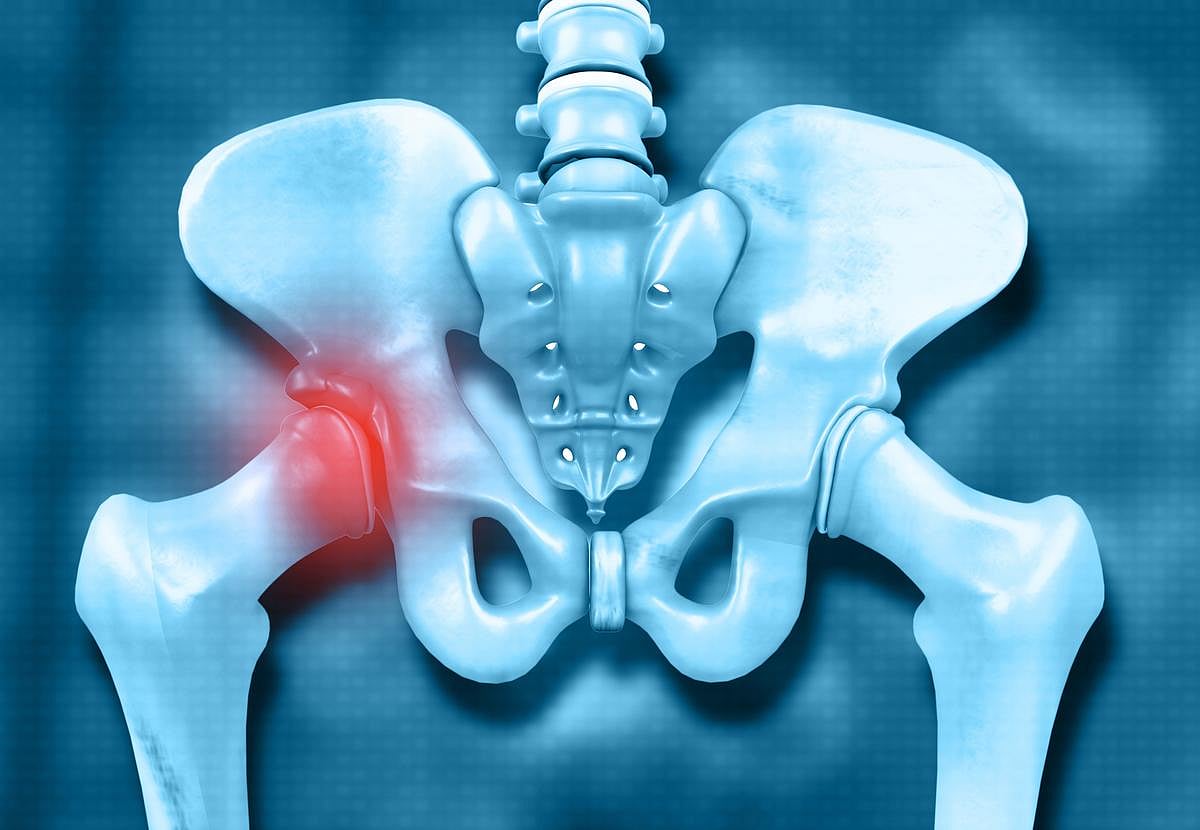 Dual-Mobility THR Linked to Reduced Risk for Dislocation
  Consensus Statement Addresses Management of Skeletal Fragility in Patients With CKD
 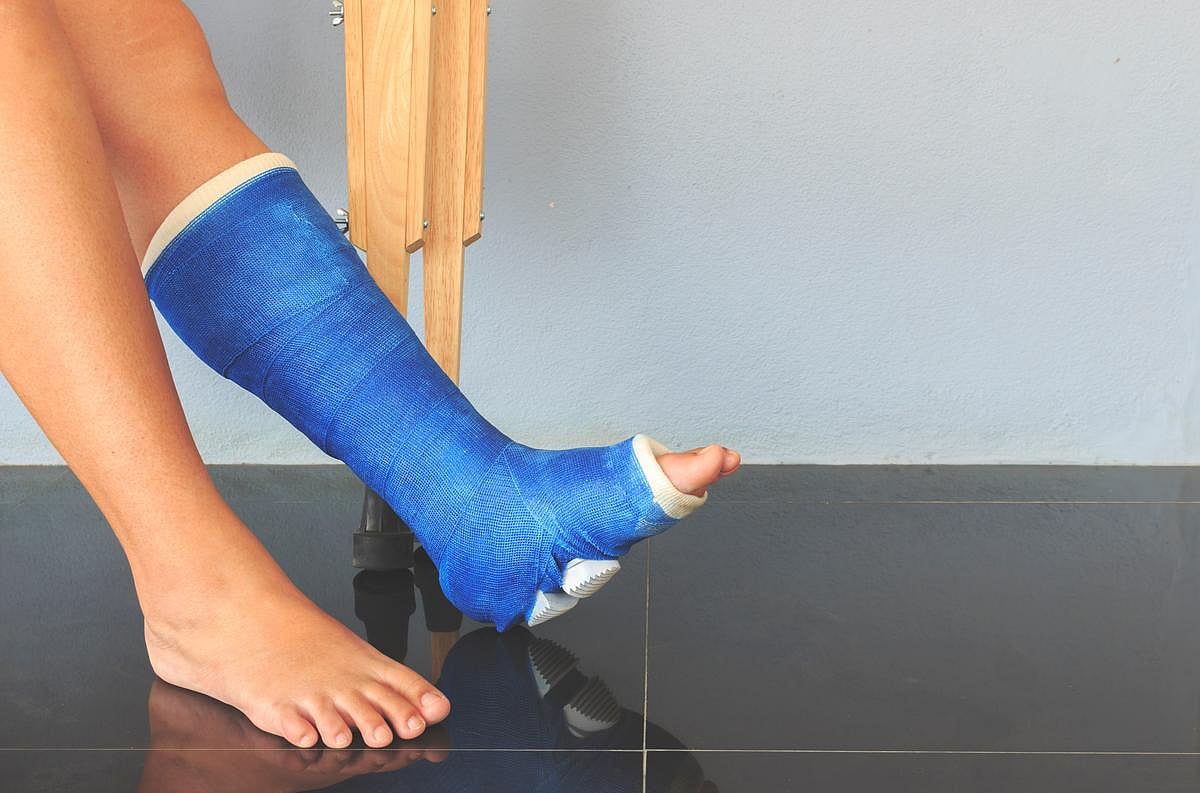 Cast Immobilization Noninferior to Surgery for Weber B Ankle Fracture
  Relapse Rare After Appendiceal Adenocarcinoma Resection
  Disparities Identified in Home Health Care After Hip, Knee Replacement
  Preoperative IV Iron Beneficial for Patients With Anemia Undergoing Cardiac Surgery
  Adenotonsillectomy Tied to Increase in Respiratory Tract Infections in Children