 Subtle differences in metabolic features of young people seen from 8 to 25 years of age
MONDAY, June 22, 2020 (HealthDay News) — Metabolic traits associated with adult diabetes risk may be detectable by age 8 years, according to a study published online June 19 in Diabetes Care.
Joshua A. Bell, Ph.D., from University of Bristol in the United Kingdom, and colleagues used data from 4,761 offspring from the Avon Longitudinal Study of Parents and Children to assess genetic and early metabolomic features (229 traits) associated with adult type 2 diabetes. Assessments occurred at ages 8, 16, 18, and 25 years.
The researchers found that at age 8 years, associations were most evident between type 2 diabetes liability and lower lipids in high-density lipoprotein (HDL) subtypes. At 16 years, there were stronger associations seen for preglycemic traits, including citrate, and with glycoprotein acetyls. At 18 years, associations were stronger with branched-chain amino acids. Finally, at 25 years, associations were stronger for very low-density lipoprotein lipids.
“Our results support perturbed HDL lipid metabolism as one of the earliest features of type 2 diabetes liability, alongside higher branched-chain amino acid and inflammatory levels,” the authors write. “Several features are apparent in childhood as early as age 8 years, decades before the clinical onset of disease.”
 GLP-1 Receptor Agonists, SGLT-2is Slow Renal Function Decline in T2D With Albuminuria
  Gene Mutation Identified That Increases Lung Cancer Risk
 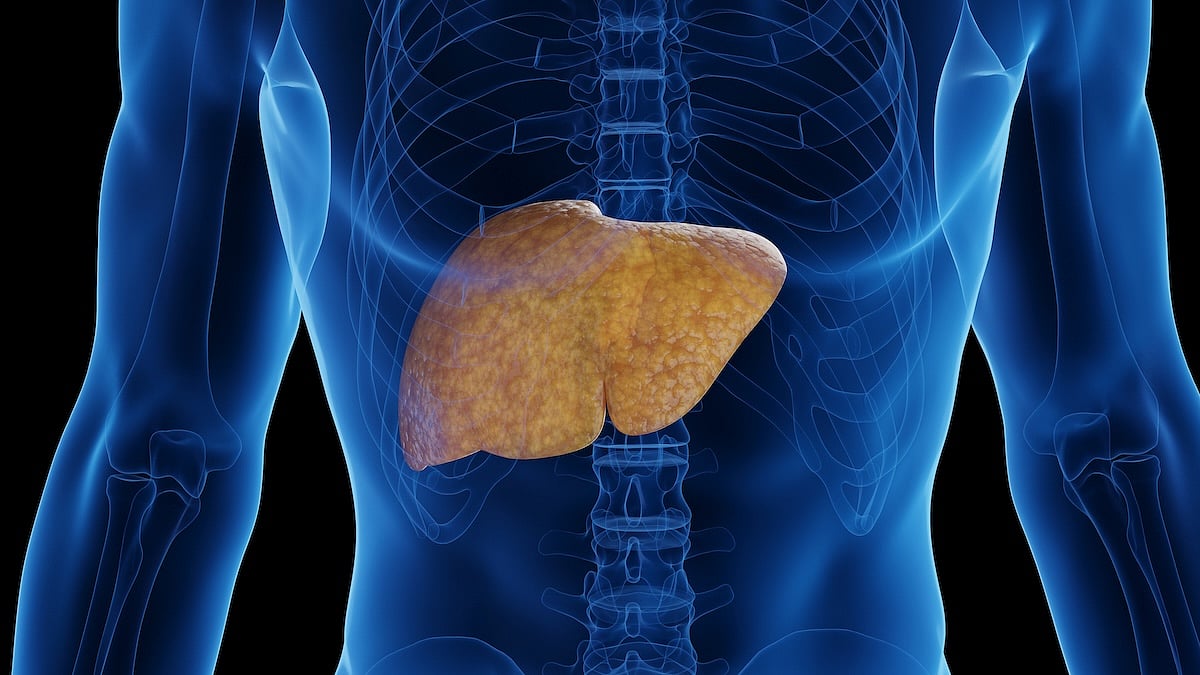 Genetics, Diabetes Tied to MASLD-Associated Cirrhosis Before Age 50
  Study IDs Risk Factors for Ketoacidosis in Adults With T2D Receiving SGLT2 Inhibitors
  2013 to 2024 Saw Decrease in Benzodiazepine Prescribing
  Polypharmacy of Prescription Medications Increased for U.S. Older Adults
  Low Hydroxychloroquine Intake, Blood Levels Linked to ASCVD Risk in Lupus
  Blinatumomab Improves Event-Free Survival in Children With High-Risk B-Cell ALL