


 But differences in CKD prevalence by racial/ethnic group, socioeconomic status have persisted
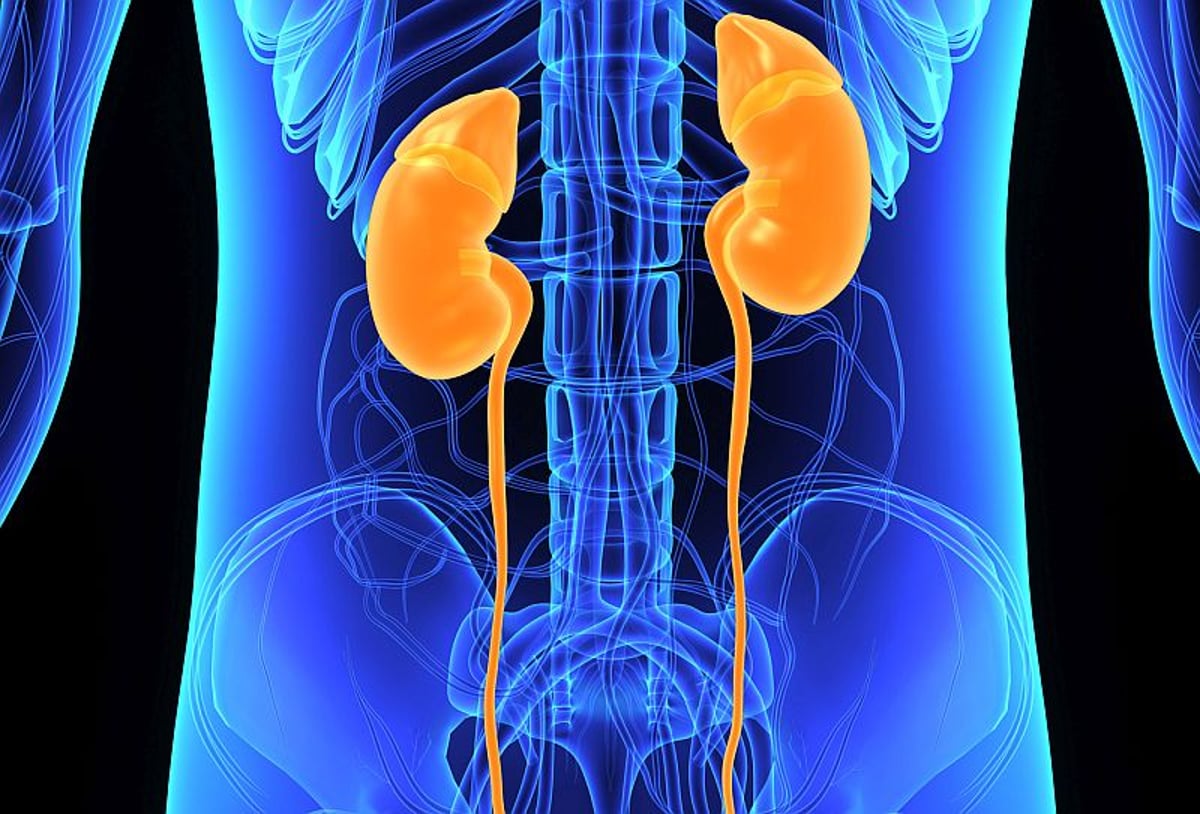
TUESDAY, July 21, 2020 (HealthDay News) — The prevalence of chronic kidney disease (CKD) in the United States has stabilized in recent years, according to a study published online July 16 in JAMA Network Open.
Priya Vart, Ph.D., from the University of California in San Francisco, and colleagues from the U.S. Centers for Disease Control and Prevention Chronic Kidney Disease Surveillance Team used data from the National Health and Nutrition Examination Surveys (1988 to 1994 and every two years from 1999 to 2016) to examine trends in CKD prevalence among 54,554 participants (≥20 years).
The researchers found that the age-, sex- and race/ethnicity-adjusted overall prevalence of stage 3 and 4 CKD increased from 3.9 percent in 1988-1994 to 5.2 percent in 2003-2004 (P < 0.001 for change) and remained relatively stable thereafter (5.1 percent in 2015-2016; P = 0.61 for change). There were significant differences noted in adjusted CKD prevalence by race/ethnicity (P = 0.009 for interaction). CKD prevalence increased between 1988-1994 and 2003-2004 and remained stable thereafter among non-Hispanic white and black persons. However, among Mexican-American persons, CKD prevalence was lower than in other racial/ethnic groups and remained stable between 1988-1994 and 2003-2004 but then nearly doubled between 2003-2004 and 2015-2016, reaching rates similar to those of other racial/ethnic groups. Among groups with lower educational level and income, CKD prevalence was higher, but trends mirrored those for the overall population. When including albuminuria to define CKD, results remained similar in most subgroups.
“There is a need to identify and address causes of increasing CKD prevalence among Mexican-American persons and a need to renew efforts to effectively mitigate persistent disparities in CKD prevalence,” the authors write.
 Prep for Conservative Management, Dialysis Yield Similar Results in Older Patients With Kidney Failure
 Few Meet Major Clinical Response Criteria After Treatment Escalation for Lupus
.jpg) Pregnancy Complications Linked to Subsequent Risk for Cardiometabolic-Renal Conditions
 Pre-Prostate Biopsy MRI Use Increased From 2017 to 2026
 AI Better Assesses Heart Function From MRI Than Clinicians
 Urine Cell-Free RNA Shows Promise as Biomarker for Bladder Cancer
 PET/MRI Offers Diagnostic, Prognostic Value in Pediatric Epilepsy
.jpeg) Higher Intake of Saturated, Animal Fats May Increase Mortality in Prostate Cancer





