Shift seen in imaging type away from cross-sectional imaging toward radiography
WEDNESDAY, July 22, 2020 (HealthDay News) — During the COVID-19 pandemic, there has been a decrease in inpatient imaging volumes, according to a study published online June 18 in the Journal of the American College of Radiology.
Jason J. Naidich, M.D., from Northwell Health in Manhasset, New York, and colleagues compared weekly inpatient imaging volumes (radiography, computed tomography [CT], magnetic resonance imaging [MRI], ultrasound, interventional radiology, and nuclear medicine) in a large health care system in 2019 and 2020. Additionally, 2020 volumes were compared pre-COVID-19 (weeks 1 to 9) and post-COVID-19 (early: weeks 10 to 13; late: weeks 14 to 16).
The researchers found that compared with 2019, total inpatient imaging volume in the early post-COVID-19 period declined by 16.6 percent; volume declined by 9.6 percent in the late post-COVID-19 period. Inpatient imaging volume rebounded by week 16 and was only down 4.2 percent. The 2020 imaging composition mix significantly shifted compared with 2019 (P < 0.0001) and largely consisted of radiography (74.3 percent), followed by CT (12.7 percent), ultrasound (8 percent), MRI (2.4 percent), interventional radiology (2.3 percent), and nuclear medicine (0.4 percent). While most imaging studies declined in the late post-COVID-19 period, a few Current Procedural Terminology-coded groups showed increased volumes, including CT angiography chest, radiography chest, and ultrasound venous duplex.
“These data may be useful to radiology practices in preparing for the possibility of a second wave of the COVID-19 pandemic,” the authors write.
Two authors disclosed financial ties to the medical technology industry.
 PET/MRI Offers Diagnostic, Prognostic Value in Pediatric Epilepsy
  Odds of Imaging Order Higher When Clinicians Self-Interpret
 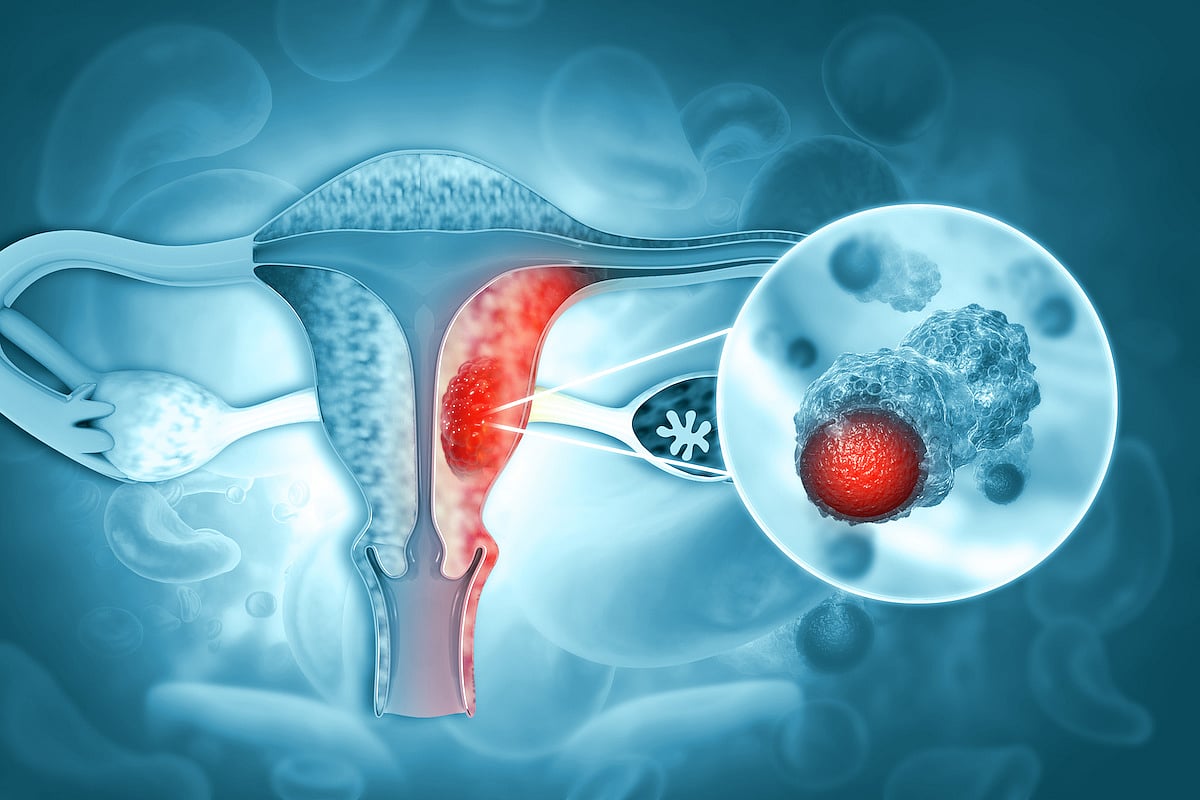 Catheter-Based OCT May Help ID Early Endometrial Cancer
 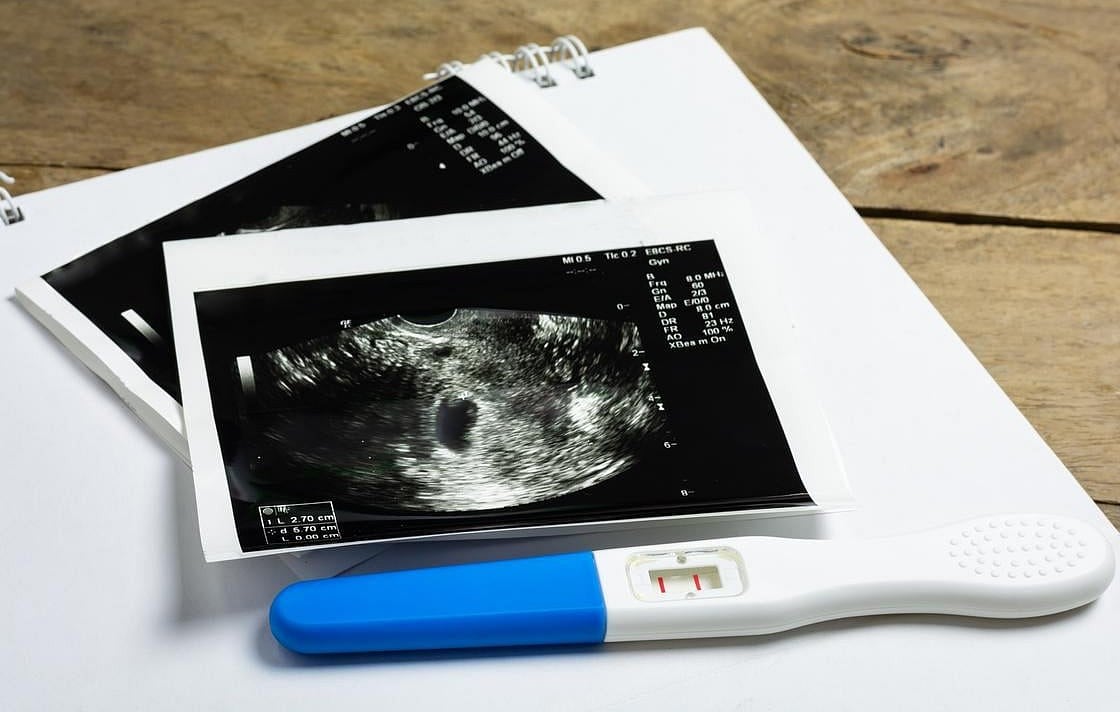 Wearable Ultrasound Patch Provides Continuous Fetal Monitoring
  Maternal Vitamin D Status Linked to Preterm Delivery
  IBD Not Linked to Risk for Hypertensive Disorders of Pregnancy Overall
  Mom"s Poor Sleep in Late Pregnancy Linked to Offspring"s Obesity Risk in Early Childhood
  High Intake of Eggs, Peanuts in Pregnancy Does Not Lower Allergy Risk

.jpg)