


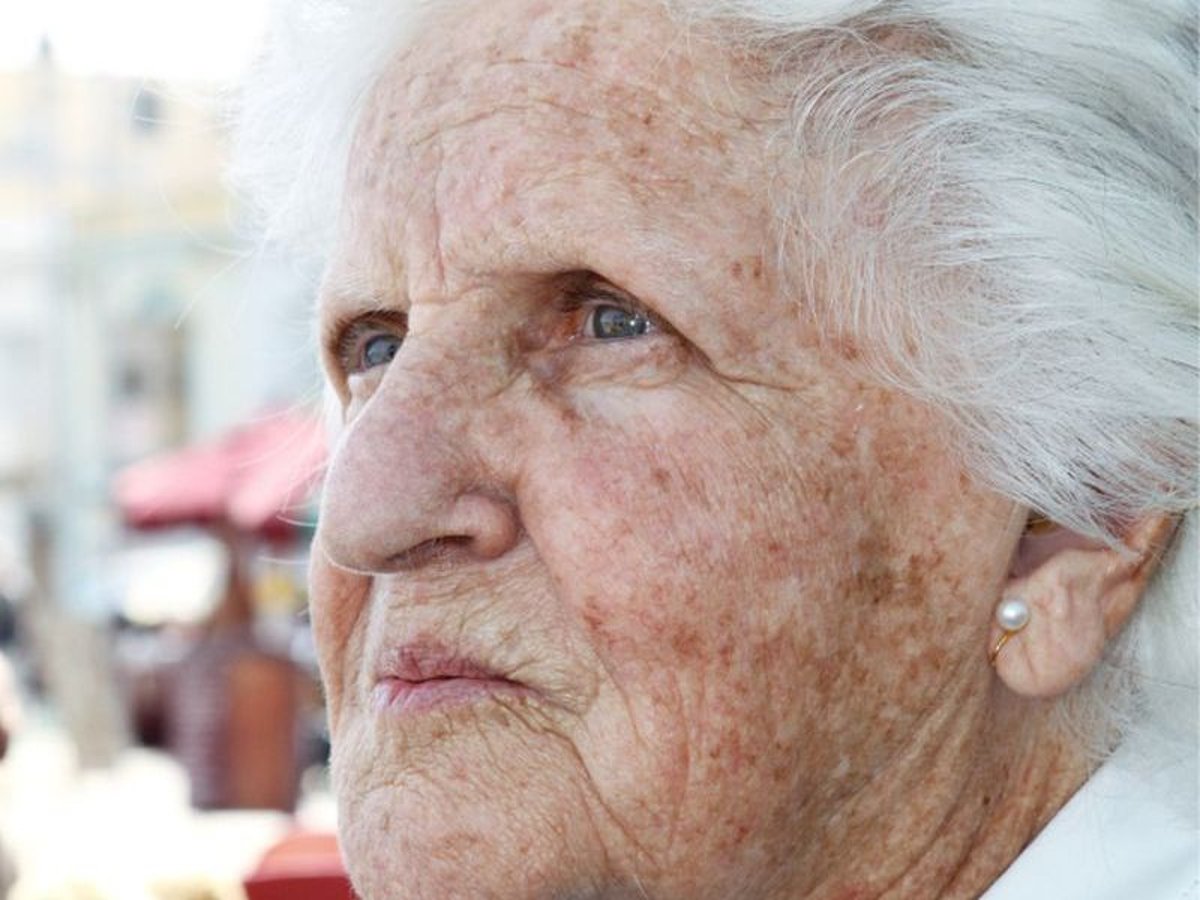
 Baseline cognitive test scores, smoking history predicted cognitive status for Aβ-positive participants
WEDNESDAY, July 22, 2020 (HealthDay News) — Predictors of amyloid-β (Aβ) deposition have been identified in the oldest old, according to a study published online July 22 in Neurology.
Beth E. Snitz, Ph.D., from the University of Pittsburgh, and colleagues examined long-term predictors of avoiding Aβ deposition in a longitudinal study in the oldest old. Beginning in 2010, 100 former participants of the Gingkgo Evaluation of Memory Study completed biannual Pittsburgh Compound B (PiB)-positron emission tomography imaging and annual clinical-cognitive evaluations.
Participants had a mean age of 92 years at the last cognitive evaluation. The researchers found that the APOE*2 allele predicted last Aβ status. Cognitive status was predicted by baseline cognition. Among Aβ-positive participants only, predictors of cognitive status were baseline cognitive test scores and smoking history. Longitudinal Aβ increase was predicted by baseline pulse pressure; less cognitive decline was predicted by paid work engagement and life satisfaction.
“As advanced aging increases in developed countries and worldwide, well-designed studies are needed to better understand variability of cognitive outcomes in the 10th decade of life, particularly to determine and confirm modifiable risk and protective factors,” the authors write.
One author disclosed financial ties to the biopharmaceutical industry; one author is a co-inventor of Pittsburgh Compound B.
Abstract/Full Text (subscription or payment may be required)
Editorial (subscription or payment may be required)
 Prep for Conservative Management, Dialysis Yield Similar Results in Older Patients With Kidney Failure
 Study Looks at Approaches to Prescribing Obesity Medications for Older Adults
 More Extensive Deposits of Tau Seen in Early-Onset Alzheimer Disease
 CTE Pathology Found in Nearly 75 Percent of Deceased Former NFL Players
 Insomnia Linked to Increased Risk for Stroke, Odds of Admission
 Lower Vertebral Bone Mineral Density Linked to Cognitive Decline
 Increased Dementia Risk Seen After Transient Ischemic Attack
 Nearly 3 in 4 Older Adults Express Interest in Vaccine to Prevent Dementia





.jpg)