


 For patients referred for RHC, risk for mortality, heart failure up with PVR of ≥2.2 Wood units
MONDAY, Aug. 3, 2020 (HealthDay News) — For patients undergoing right heart catheterization (RHC), the risks for mortality and heart failure are increased with a pulmonary vascular resistance (PVR) of 2.2 Wood units or more, according to a study published online July 27 in The Lancet Respiratory Medicine.
Bradley A. Maron, M.D., from the Veterans Affairs Boston Healthcare System, and colleagues conducted a retrospective cohort study of all patients undergoing RHC in the U.S. Veterans Affairs health care system with at least one year of follow-up. The primary cohort included 40,082 patients, and the analysis focused on patients at risk for pulmonary hypertension based on a mean pulmonary artery pressure (mPAP) of at least 19 mm Hg.
The researchers found that the all-cause mortality hazard for PVR was increased at about 2.2 Wood units compared with a PVR of 1.0 Wood unit when modeled as a continuous variable. When comparing PVR ≥2.2 versus <2.2 Wood units, the adjusted hazard ratio was 1.71 for mortality and 1.27 for heart failure hospitalization among patients with a mPAP of at least 19 mm Hg and pulmonary artery wedge pressure of 15 mm Hg or less. In a validation cohort of 3,699 patients, the adjusted mortality hazard ratio was 1.81.
“We identified a PVR threshold of 2.2 Wood units as clinically meaningful in patients with elevated pulmonary artery pressure, which was consistent across two large at-risk populations,” the authors write.
Several authors disclosed financial ties to the biopharmaceutical and medical technology industries.
Abstract/Full Text (subscription or payment may be required)
Editorial (subscription or payment may be required)
 Longer Reproductive Lifespan Tied to Lower Bronchiectasis Risk in Postmenopausal Women
  Use of SAMA, SABA Linked to Cardiovascular Events, Mortality in Asthma, COPD
  Adenotonsillectomy Tied to Increase in Respiratory Tract Infections in Children
 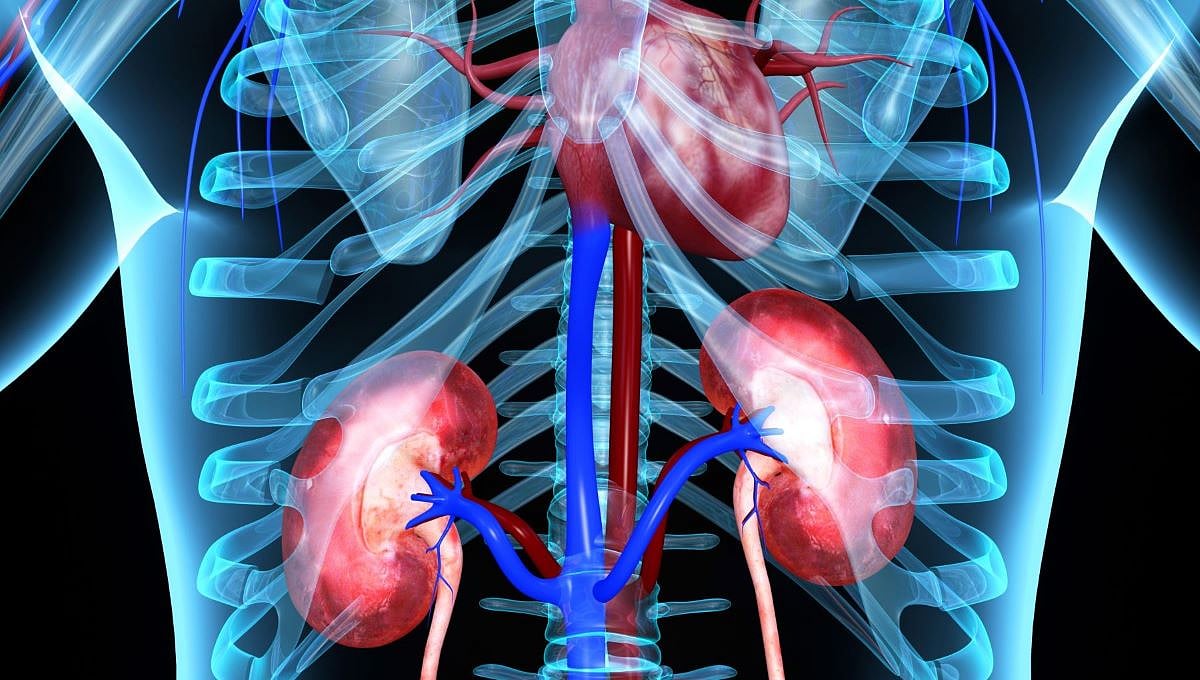 2011 to 2021 Saw Heart Failure-Related Hospitalization Rise in CKD
 .jpg) Recommendations Updated for Management of Anemia in CKD
Recommendations Updated for Management of Anemia in CKD 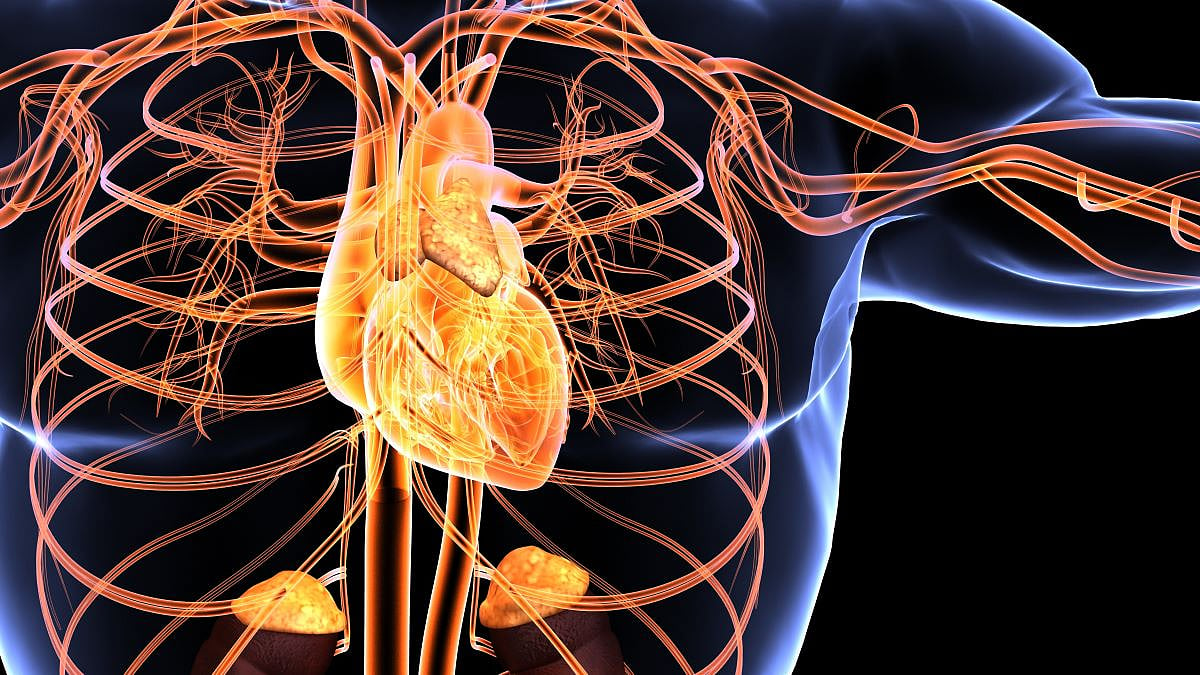 More Advanced CKM Syndrome Linked to Worse Cardiovascular Health
  Biomarkers Plus Kidney Donor Profile Index Improve Prediction of Concordant Allograft Outcomes
  Machine Learning Model IDs Heart Failure With Reduced Ejection Fraction Using Routine Lab Indicators




.jpg)