


 Findings based on survey of COVID-19 frontline workers surveyed at a tertiary care center in Japan
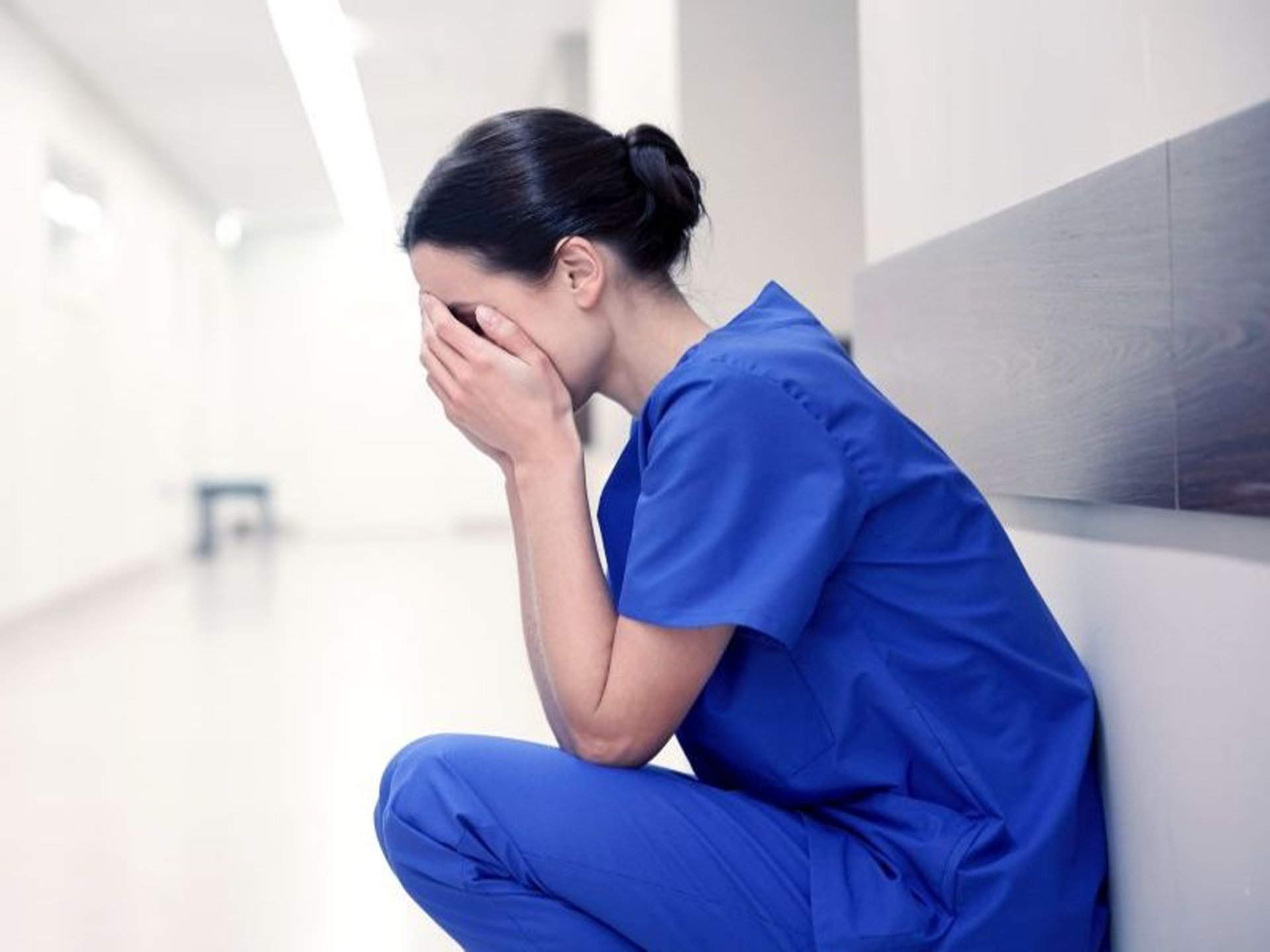
TUESDAY, Aug. 4, 2020 (HealthDay News) — More than 40 percent of nurses on the front lines during the pandemic may be experiencing burnout, according to a research letter published online Aug. 4 in JAMA Network Open.
Takahiro Matsuo, M.D., from St. Luke’s International Hospital in Tokyo, and colleagues surveyed 369 frontline health care workers (physicians, nurses, laboratory medical technologists, radiological technologists, and pharmacists) working in emergency departments, general internal medicine departments, respiratory medicine departments, infectious disease departments, general wards, and intensive care units during the COVID-19 pandemic in a tertiary care center in Japan. The authors sought to evaluate the prevalence of burnout among frontline health care workers based on job categories and other factors.
The researchers found that the overall burnout prevalence was 31.4 percent but varied by health care worker type: nurses, 46.8 percent; radiological technologists, 36.4 percent; and pharmacists, 36.8 percent. When adjusting for potential covariates, burnout prevalence was significantly higher among nurses (odds ratio [OR], 4.9), laboratory medical technologists (OR, 6.1), radiological technologists (OR, 16.4), and pharmacists (OR, 4.9) compared with physicians. Burnout was more prevalent in participants with fewer years of experience (OR, 0.93), heightened anxiety because of unfamiliarity with personal protective equipment (OR, 2.8), decreased sleep length versus prepandemic (OR, 2.0), the desire for reduced workloads (OR, 3.6), and the desire for expectations of appreciation or respect (OR, 2.2).
“The explanation for the higher prevalence of burnout among nonphysicians could be that these job categories have lower dimensions of control (skill discretion and decision authority) compared with physicians,” the authors write.
 Heart Stress Based on NT-proBNP Changes May Improve CVD Risk Stratification
  Mental Distress, Fatigue Common in Childhood Survivors of Leukemia, Lymphoma
  ~16 Percent of COVID Cases Develop Postacute Sequelae of SARS-CoV-2
  Risk Factors Associated With Child Food Allergy Identified
  Genetics, Diabetes Tied to MASLD-Associated Cirrhosis Before Age 50
  Family History of CRC Increases CRC Risk Similarly in IBD, General Population
  Distinct Skin Microbiome Features Emerge Before Atopic Disease Onset in Infants
  Healthy Lifestyle in Early Childhood Linked to Lower Risk for IBD




