


 Incident CHD events tied to more antibiotic purchases, higher levels of lipopolysaccharide activity
WEDNESDAY, Aug. 12, 2020 (HealthDay News) — Bacterial infections are associated with an increased risk for incident coronary heart disease (CHD) in individuals with type 1 diabetes, according to a study published online Aug. 4 in the Journal of Internal Medicine.
Johan Rasmus Simonsen, M.D., from the University of Helsinki, and colleagues used data from the Finnish Diabetic Nephropathy Study to identify 3,781 individuals with type 1 diabetes and study the association between bacterial infections and the risk for CHD (defined as fatal or nonfatal myocardial infarction, coronary artery bypass surgery, or percutaneous coronary intervention) in type 1 diabetes. CHD was identified through national hospital discharge register data.
The researchers found that the 370 individuals with an incident CHD event had a higher mean number of antibiotic purchases per follow-up year versus those without incident CHD, as well as higher levels of bacterial lipopolysaccharide (LPS) activity. The mean number of antibiotic purchases per follow-up year was an independent risk factor for incident CHD (hazard ratio, 1.21). In an adjusted analysis, high LPS activity was a risk factor for incident CHD (hazard ratio, 1.93).
“The present study demonstrates how infections associate with the development of late diabetic complications and perhaps even more importantly, how infections associate with the development of coronary heart disease, as the latter relationship has been disputed during recent years,” Simonsen said in a statement.
Several authors disclosed financial ties to the pharmaceutical industry.
 Exercise-Based Cardiac Rehab Beneficial for Coronary Heart Disease
 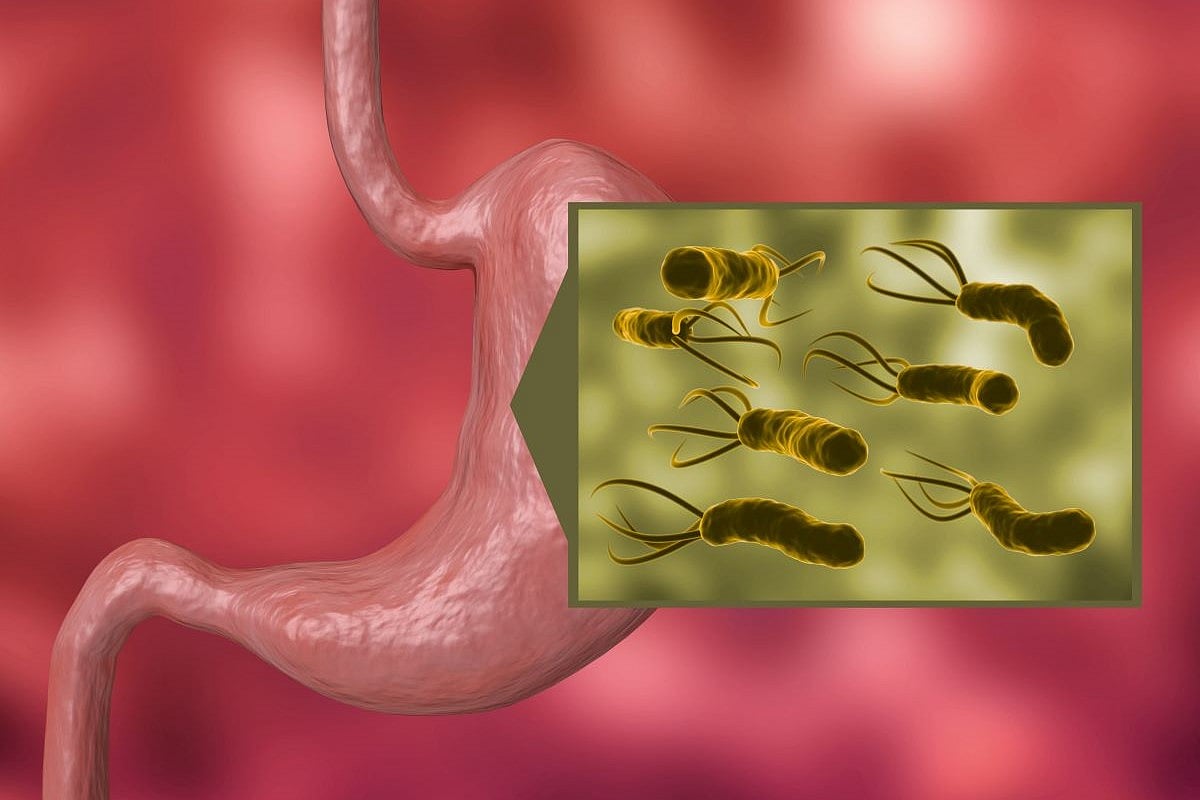 H. Pylori Exposure May Contribute to Global Burden of Colorectal Cancer
  Distinct Skin Microbiome Features Emerge Before Atopic Disease Onset in Infants
  About 1 in 20 Hospitalized U.S. Adults With Firearm Injuries Develop Bacterial Infections
  Withdrawal From Medetomidine Increasingly Seen in ICUs
  Multicomponent Interventions Offer Little Impact on Fall Risk
  ED Visits for Gambling Disorder Spike After Canada Liberalizes Online Gambling
  Nearly 2 in 3 Poison Exposures in Young Children May Not Need the ED
 .jpg)




