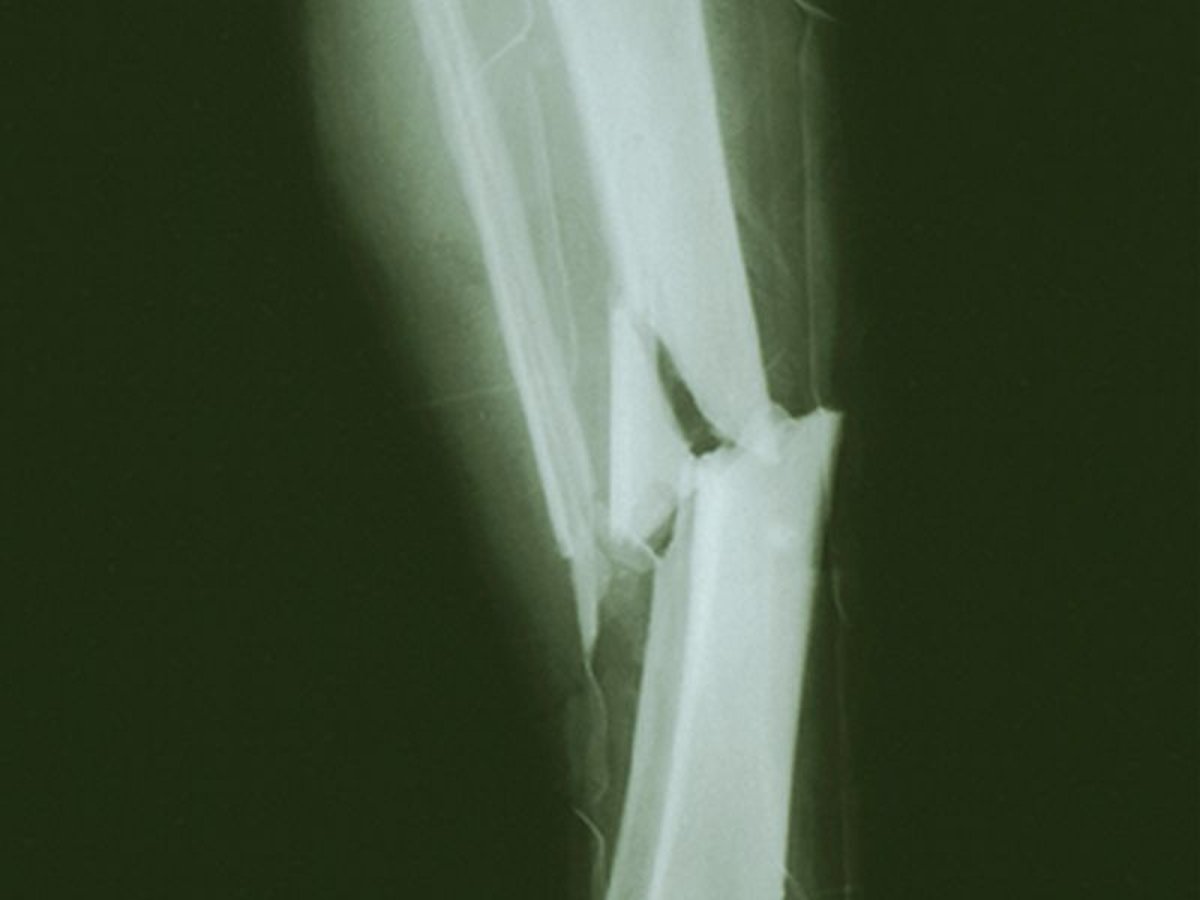
 Rapid decline in atypical fracture risk seen when bisphosphonate discontinued in women ≥50 years
THURSDAY, Aug. 20, 2020 (HealthDay News) — Longer duration of bisphosphonate use is associated with an increased risk for atypical femur fracture, according to a study published in the Aug. 20 issue of the New England Journal of Medicine.
Dennis M. Black, Ph.D., from the University of California in San Francisco, and colleagues studied women aged 50 years or older who received bisphosphonates. Women were followed from Jan. 1, 2007, to Nov. 30, 2017, for the primary outcome of atypical femur fracture.
The researchers found that 277 atypical femur fractures occurred among 196,129 women. There was an increase in the risk for atypical fracture with a longer duration of bisphosphonate use after multivariable adjustment, with hazard ratios of 8.86 and 43.51 for three years to less than five years and for eight years or more, respectively, compared with less than three months. Race, height, weight, and glucocorticoid use were also risk factors. Discontinuation of bisphosphonate use was associated with a rapid decline in atypical fracture risk. During one to 10 years of bisphosphonate use, decreases in the risk for osteoporotic and hip fractures outweighed the increased risk for atypical fractures among whites, but less so among Asians. In whites, 149 hip fractures were prevented and two bisphosphonate-associated atypical fractures occurred after three years compared with 91 and eight fractures, respectively, in Asians.
“These results in a diverse cohort contribute to existing but limited evidence about the risks and benefits of treatment in individual patients or populations,” the authors write.
Several authors disclosed financial ties to the pharmaceutical industry.
Abstract/Full Text (subscription or payment may be required)
.jpg) Recommendations Updated for Management of Anemia in CKD
Recommendations Updated for Management of Anemia in CKD  Anifrolumab Tied to Lower Hospitalization, Infection Risk in Lupus
  Therapies Compared for Newly Diagnosed Multiple Sclerosis
  Disparities Identified in Home Health Care After Hip, Knee Replacement
  Relapse Rare After Appendiceal Adenocarcinoma Resection
  Preoperative IV Iron Beneficial for Patients With Anemia Undergoing Cardiac Surgery
  Adenotonsillectomy Tied to Increase in Respiratory Tract Infections in Children
  Robotic Arm-Assisted TKR Offers Similar Outcome to Conventional TKR