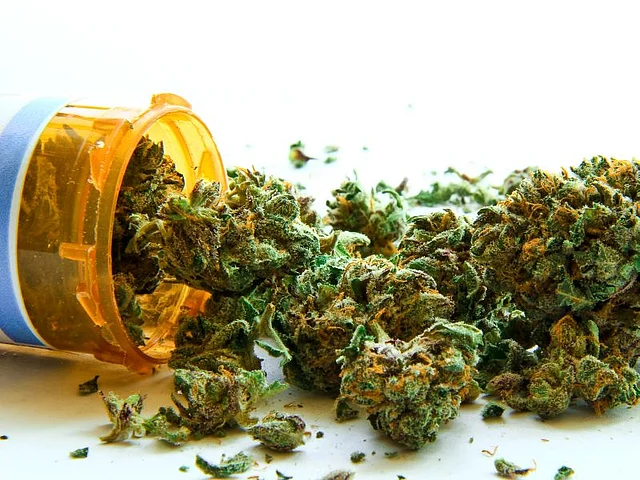
 But no change in opioid use observed for those receiving medical marijuana certification
TUESDAY, Sept. 8, 2020 (HealthDay News) — Use of medical marijuana is associated with fewer hospitalizations among patients with sickle cell disease (SCD), according to a study published online Aug. 13 in Blood Advances.
Susanna A. Curtis, M.D., from the Yale School of Medicine in New Haven, Connecticut, and colleagues evaluated rates of health care and opioid utilization for six months before and after medical marijuana certification among patients with SCD. Outcomes were compared for 50 SCD patients who were certified for medical marijuana and 25 who were not.
The researchers found that among the 50 adults with SCD who were certified for medical marijuana, only 29 actually obtained it. There was a decrease in hospitalization rates among patients who obtained medical marijuana versus those who did not. Those who obtained certification had increased use of edible cannabis products, but there was no change in opioid use for either group. Baseline opioid use and illicit cannabis use rates were higher among patients who were certified for medical marijuana versus those who did not request certification. Most who requested medical marijuana were already using cannabis illicitly.
“My patients are living with a very difficult disease that causes them a lot of pain,” Curtis said in a statement. “We need controlled trials to look at each product, and the effects of how it is taken, so that we can offer regulated, pharmaceutical-grade treatment options.”
 Cannabis Use Linked to Earlier Age of Psychosis Onset
  Varenicline Can Cut Cannabis Use Among Men With Cannabis Use Disorder
  Study Compares Short-Term Use of Cannabinoid Products for Chronic Pain
  Nutritional Deficiencies Seen in Youth Taking GLP-1 Receptor Agonists
  Air Pollution Tied to Higher Risk for Suicide
  Psychiatrists Only Agree 55 Percent of the Time on Diagnoses
  Youth Suicide Risk Linked to Community Firearm Violence