


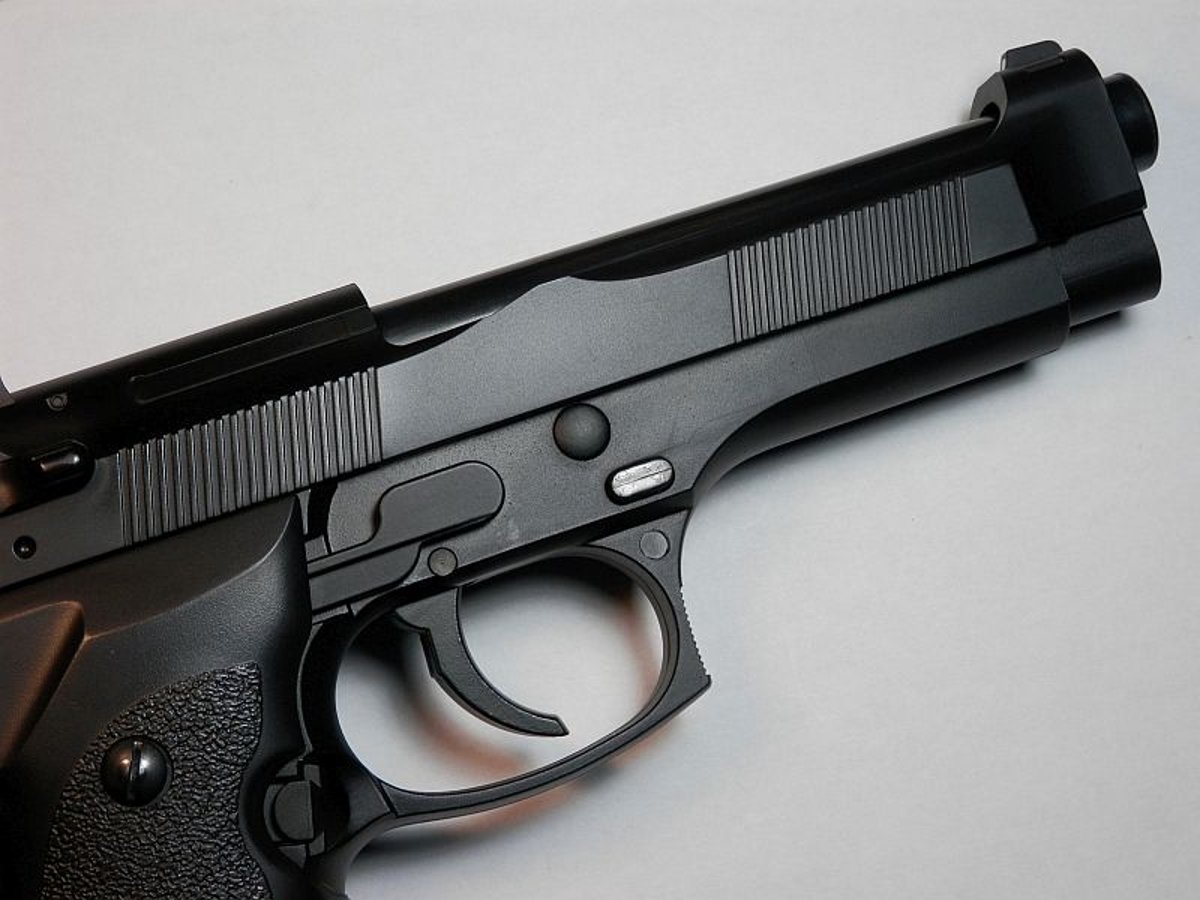
 Including firearm issues in medical, financial, legal advance planning may be useful, authors say
TUESDAY, Oct. 6, 2020 (HealthDay News) — Half of older gun owners have a plan for transferring gun ownership after death and even fewer have a plan for transferring ownership in the case of impairment, according to a research letter published online Oct. 6 in the Annals of Internal Medicine.
Marian E. Betz, M.D., M.P.H., from University of Colorado Anschutz Medical Campus in Aurora, and colleagues used data from the second online National Firearms Survey (conducted from July 30 to August 11, 2019) to assess the frequency of advance planning by older gun owners (≥65 years) to transfer their firearms to someone else if they can no longer handle them safely or if they die.
The researchers found that approximately one-fifth of older firearm owners had a plan for securing, removing, or transferring firearms if they became unable to handle them safely. These plans were more often unwritten versus written (16.1 versus 5.6 percent). Nearly half of respondents had a plan for transferring firearms to someone upon death, either written (22.5 percent) or unwritten (25.4 percent).
“Informed by this work, trusted messengers — whether from the medical, legal, firearm, or other communities — can help prevent firearm injury by assisting in contingency planning for firearm retirement,” the authors write.
 Lower Cognitive Functioning During 60s Linked to Subsequent Stroke Risk
  Polypharmacy of Prescription Medications Increased for U.S. Older Adults
  Nearly 1 in 10 Older Adults Used Cannabis in the Past Year
  Pharmacist-Led Med Review Improves Medication Quality in Older Patients With Cancer
 .jpg) Most Specialty Oral Anticancer Meds for Blood Cancers Are Initially Rejected by Insurers
Most Specialty Oral Anticancer Meds for Blood Cancers Are Initially Rejected by Insurers  Personalized Support Boosts Families" Genetic Testing for Hereditary Cancers
 .jpg) Cancer Survivors Have Lower Levels of Physical Activity
Cancer Survivors Have Lower Levels of Physical Activity  Lower Vertebral Bone Mineral Density Linked to Cognitive Decline



