 SONG HD Fatigue measure was internally consistent and stable over a one-week period
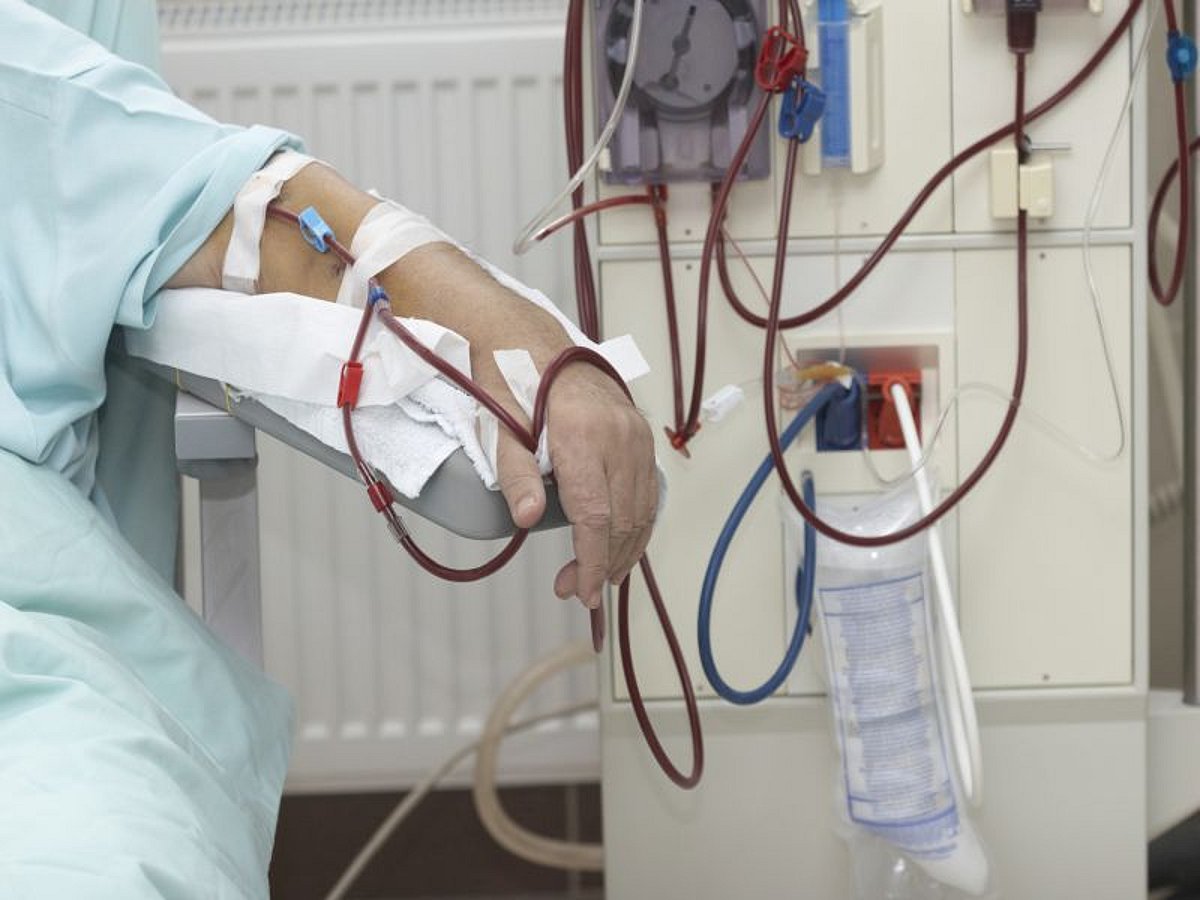
THURSDAY, Oct. 22, 2020 (HealthDay News) — For patients receiving hemodialysis, the SONG-HD Fatigue seems to be a reliable and valid measure for patient fatigue, according to a study published online Oct. 22 in the Clinical Journal of the American Society of Nephrology.
Angela Ju, Ph.D., from the Sydney School of Public Health at the University of Sydney, and colleagues conducted a longitudinal cohort study to assess the validity and reliability of a patient-reported outcome measure for fatigue in hemodialysis (SONG-HD Fatigue). A total of 485 adult patients across the United Kingdom, Australia, and Romania completed the measure at three time points: baseline, one week later, and 12 days after the second time point.
The researchers found that the SONG-HD Fatigue was internally consistent in psychometric assessment (Cronbach’s α, 0.81 to 0.86) and was stable over a one-week period (intraclass correlation coefficient, 0.68 to 0.74). Convergence was demonstrated with Functional Assessment of Chronic Illness Therapy-Fatigue, while moderate correlations were seen with other measures that assessed related, but not the same, concepts. The one-factor model was supported in confirmatory factor analysis.
“Establishing a core outcome measure for fatigue will allow researchers to do two important things: to quickly and accurately assess the impact a new intervention has on fatigue as experienced by patients receiving hemodialysis, and to allow the comparison of interventions across different trials to see which one is superior in terms of its effect on fatigue,” Ju said in a statement.
 Mindfulness, Tai Chi May Benefit Cancer Survivors
 .jpg) Recommendations Updated for Management of Anemia in CKD
Recommendations Updated for Management of Anemia in CKD  More Advanced CKM Syndrome Linked to Worse Cardiovascular Health
  2011 to 2021 Saw Heart Failure-Related Hospitalization Rise in CKD
  Use of SAMA, SABA Linked to Cardiovascular Events, Mortality in Asthma, COPD
  Biomarkers Plus Kidney Donor Profile Index Improve Prediction of Concordant Allograft Outcomes
  Short-Term Pretransplant Dialysis Does Not Affect Kidney Transplant Outcomes
  Machine Learning Model IDs Heart Failure With Reduced Ejection Fraction Using Routine Lab Indicators