 Sensitivity of apical lung assessment improved in combination with symptoms of cough, shortness of breath
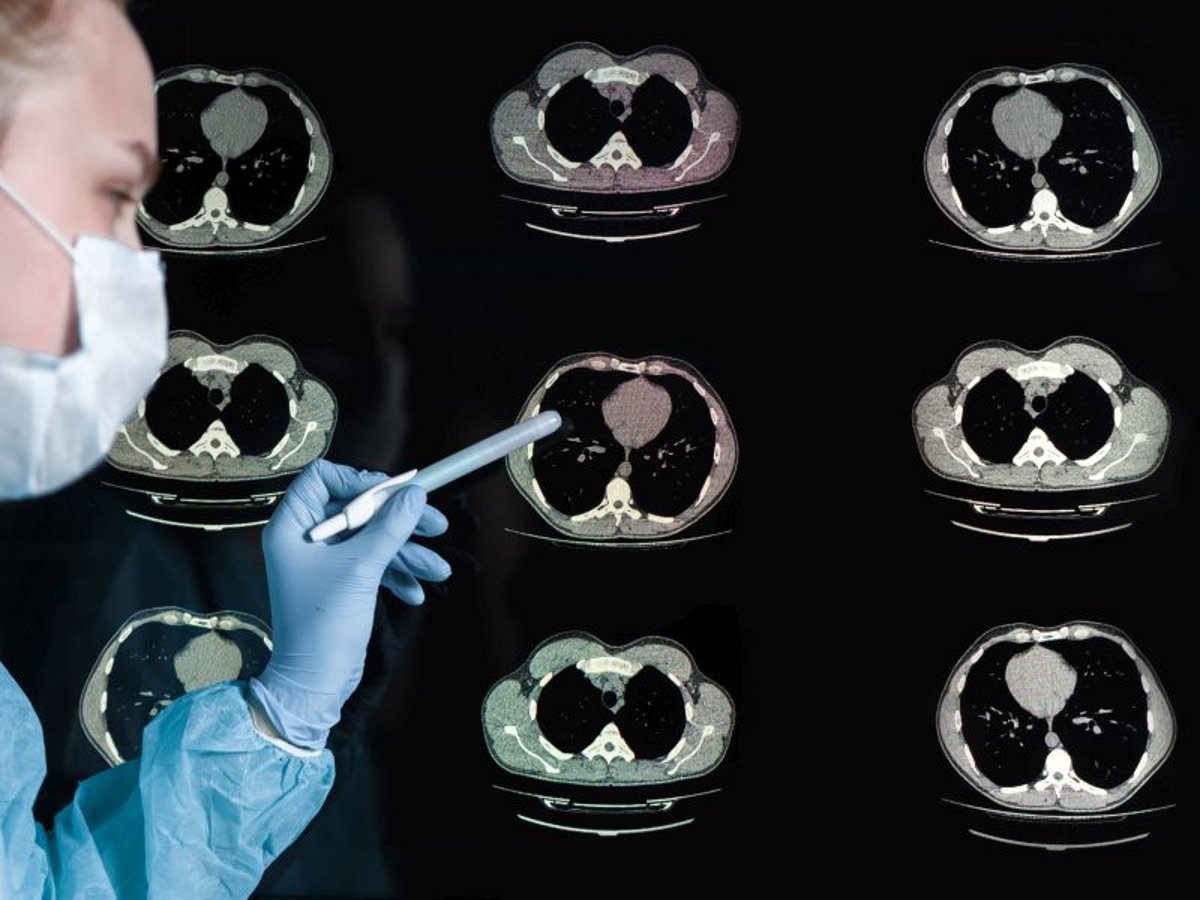
THURSDAY, Oct. 29, 2020 (HealthDay News) — For patients presenting with acute ischemic stroke (AIS), apical lung assessment on computed tomography angiography (CTA) may be useful as part of the screening approach for COVID-19, according to a study published online Oct. 29 in Stroke.
Charles Esenwa, M.D., from the Montefiore Medical Center/Albert Einstein College of Medicine in Bronx, New York, and colleagues examined the utility of an apical lung exam on CTA for COVID-19-specific lung findings in 57 patients presenting with AIS. The diagnostic accuracy of apical lung assessment alone and in combination with patient-reported symptoms was measured.
The researchers found that in patients presenting to the hospital for AIS, when used in isolation, apical lung assessment yielded a sensitivity of 0.67, specificity of 0.93, positive predictive value of 0.19, negative predictive value of 0.99, and accuracy of 0.92 for COVID-19 diagnosis. Sensitivity of apical lung assessment improved to 0.83 when combined with self-reported clinical symptoms of cough or shortness of breath.
“In combination with symptoms, CTA scan analysis is relatively accurate in diagnosing COVID-19, even compared to the nasal swab test. Since this analysis is much faster and at no extra cost, we hope it could be incorporated as a rapid diagnosis tool for patients with acute stroke,” Esenwa said in a statement. “In addition, accurately diagnosing COVID-19 within hours, rather than the sometimes days wait-time to receive the results from nasal swab tests could help protect both patients and medical professionals.”
Abstract/Full Text (subscription or payment may be required)
 Incidence of Stroke Increasing Among Young Adults
  UACR, UPCR Provide Indistinguishable Prognostic Information in CKD
  Use of SAMA, SABA Linked to Cardiovascular Events, Mortality in Asthma, COPD
  Risk for Ischemic Stroke Increased After Cancer Diagnosis
  Mindfulness, Tai Chi May Benefit Cancer Survivors
 .jpg) Mortality Lowest at Hemoglobin Concentrations Above WHO Thresholds
Mortality Lowest at Hemoglobin Concentrations Above WHO Thresholds  Structured Exercise Should Be Considered as Adjunct Therapy for Cancer
  AACR Annual Report Highlights Progress in Cancer Research


.jpg)