 Likelihood of testing positive higher among those with persistent sore throat, symptoms of rhinitis
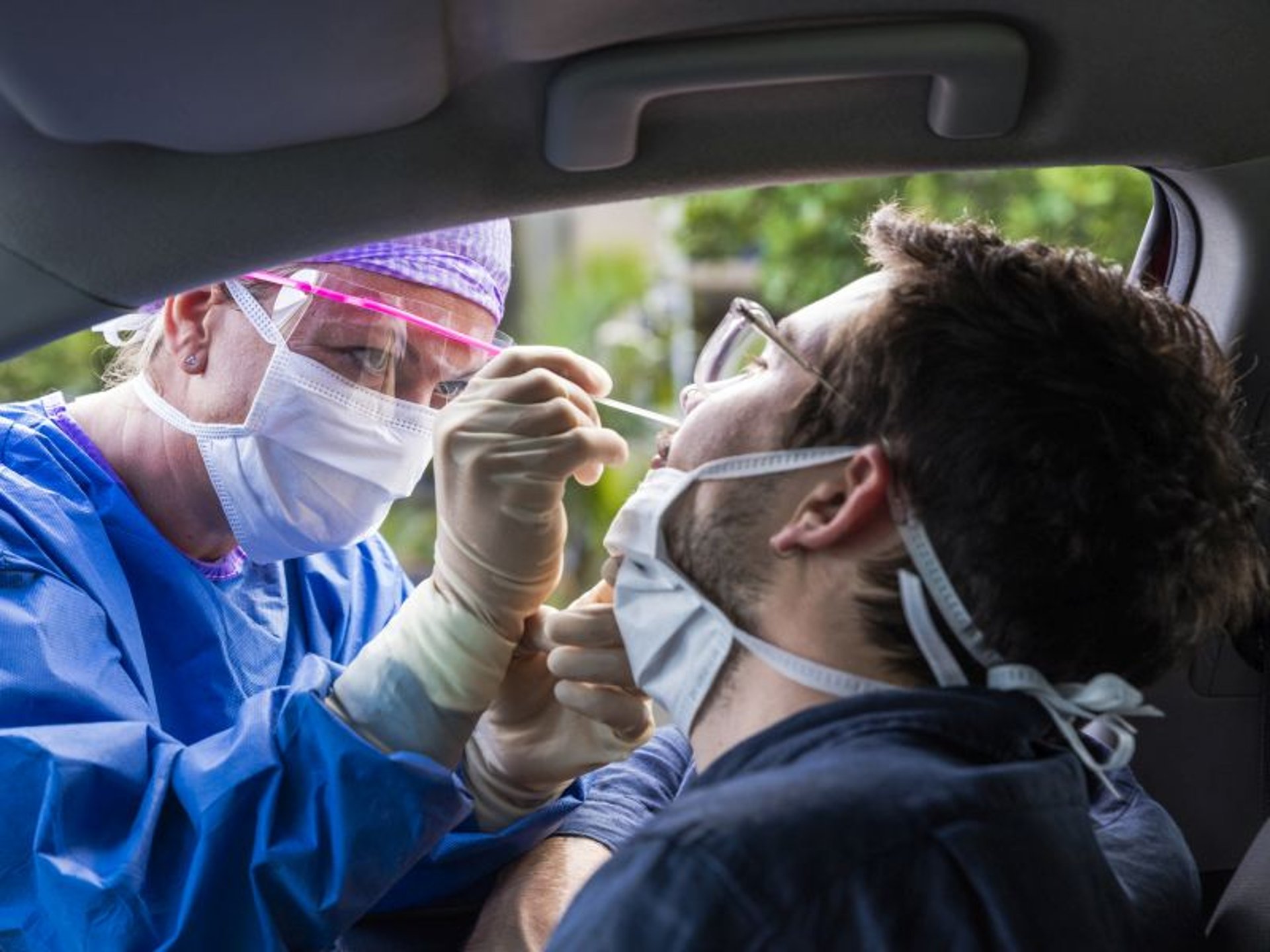
FRIDAY, Oct. 30, 2020 (HealthDay News) — About 17 percent of patients who have officially recovered from COVID-19 test positive for severe acute respiratory syndrome coronavirus 2 (SARS-CoV-2) on repeat nasopharyngeal swab, according to a study recently published in the American Journal of Preventive Medicine.
Francesco Landi, M.D., Ph.D., from the Fondazione Policlinico Universitario ‘Agostino Gemelli’ and Catholic University of the Sacred Heart in Rome, and colleagues established a post-acute care service for patients discharged from the hospital and recovered from COVID-19. A total of 137 patients who officially recovered from COVID-19 were enrolled between April 21 and May 21, 2020; the analysis was conducted in June 2020.
The researchers found that 16.7 percent of the 131 patients who repeated the nasopharyngeal swab tested positive again. A considerable proportion of patients still had symptoms such as fatigue, dyspnea, and coughing (51, 44, and 18 percent, respectively), with no difference noted between those with a positive or negative test. Participants with persistent sore throat and symptoms of rhinitis had a significantly higher likelihood of testing positive for SARS-CoV-2 (prevalence ratios, 6.50 and 3.72, respectively).
“Our findings indicate that a noteworthy rate of recovered patients with COVID-19 could still be asymptomatic carriers of the virus,” Landi said in a statement. “The main question for the containment of SARS-CoV-2 pandemic infection that still needs to be answered is whether persistent presence of virus fragments means the [patient] is still contagious.”
 ~16 Percent of COVID Cases Develop Postacute Sequelae of SARS-CoV-2
  Parts of the World Seeing New COVID-19 Variant
  HHS, NIH Unveil Vaccine Initiative to Protect Against Future Pandemics
  Hospital-Onset SARS-CoV-2 Infection During Omicron Linked to Morbidity
  Staffing, Scheduling, and Wage Changes Could Reattract Nurses Back to Hospitals
  Skilled Nursing Facility Capacity Declined Between 2019 and 2024
  Physical Design of Critical Care Units Influences Nursing Culture
  Low Capability Pediatric Hospitals More Than Doubled From 2003 to 2022