Chronic pain and high-impact chronic pain higher among women, adults ages 65 years and older
WEDNESDAY, Nov. 4, 2020 (HealthDay News) — In 2019, more than 20 percent of U.S. adults reported chronic pain in the last three months, according to a November data brief published by the U.S. Centers for Disease Control and Prevention National Center for Health Statistics.
Carla E. Zelaya, Ph.D., from the National Center for Health Statistics in Hyattsville, Maryland, and colleagues examined chronic pain and high-impact chronic pain in the previous three months among U.S. adults ages 18 years and older using data from the National Health Interview Survey.
The researchers found that 20.4 percent of adults had chronic pain in 2019, and 7.4 percent had chronic pain that frequently limited life or work activities (high-impact chronic pain) in the previous three months. Chronic pain and high-impact chronic pain increased with age; the percentage of adults with chronic pain and high-impact chronic pain was highest for adults ages 65 years and older. The likelihood of having chronic pain was higher for non-Hispanic White adults versus non-Hispanic Black, Hispanic, and non-Hispanic Asian adults (23.6 percent versus 19.3, 13.0, and 6.8 percent, respectively). As place of residence became more rural, the percentage of adults with chronic pain and high-impact chronic pain increased.
“Chronic pain was highest among women (21.7 percent), non-Hispanic White adults (23.6 percent), and those aged 65 and over (30.8 percent),” the authors write. “High-impact chronic pain was highest among women (8.5 percent) and those aged 65 and over (11.8 percent).”
 People Using Illicitly Sourced Fentanyl Face Worse Outcomes Than Medically Sourced Users
  CDC: Buprenorphine Treatment Differs in Urban, Rural Areas
 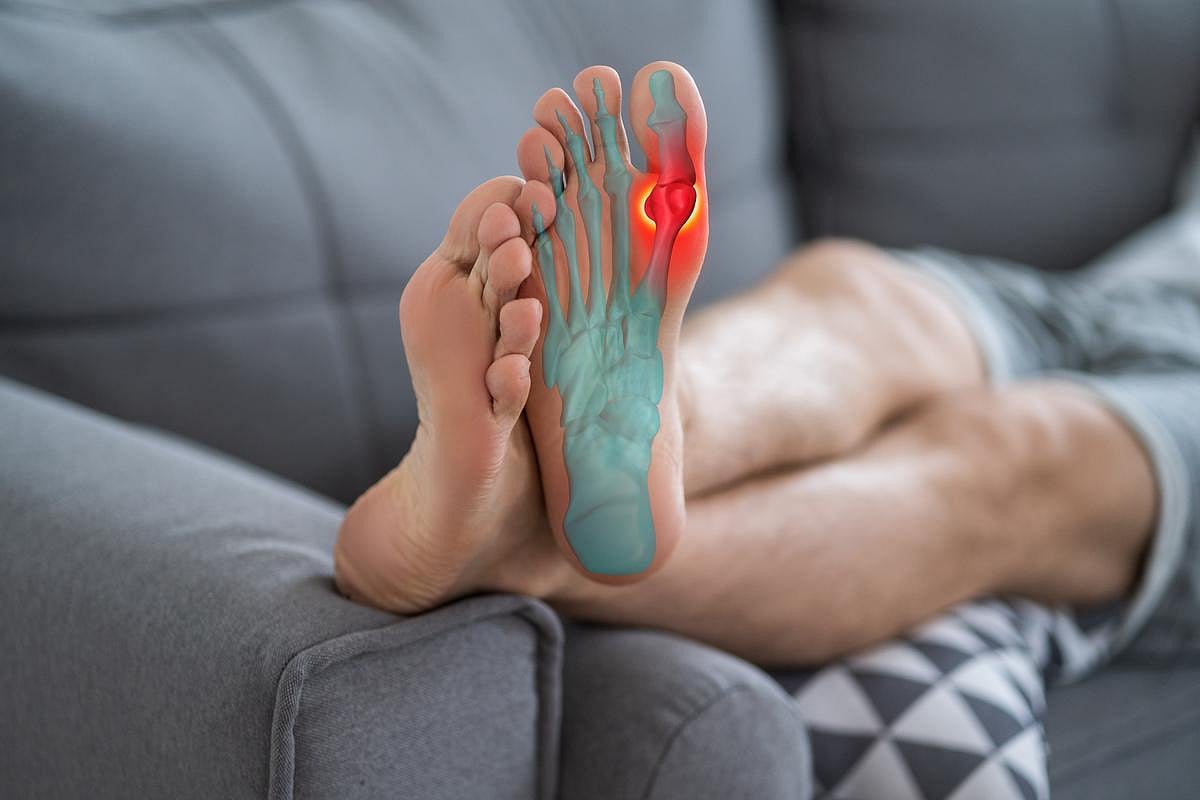 First Metatarsophalangeal Joint Arthrodesis Eases Painful Hallux Rigidus
  Botox Helpful in Alleviating Chronic Migraine in Pediatric Patients
  Youth Suicide Risk Linked to Community Firearm Violence
  Trends Reported in Vaccination Coverage for Adolescents for 2025
  Social Media Warnings Could Discourage Use Among Teens, Young Adults
  Updated Recommendations Address Medications to Prevent Migraine in Adults