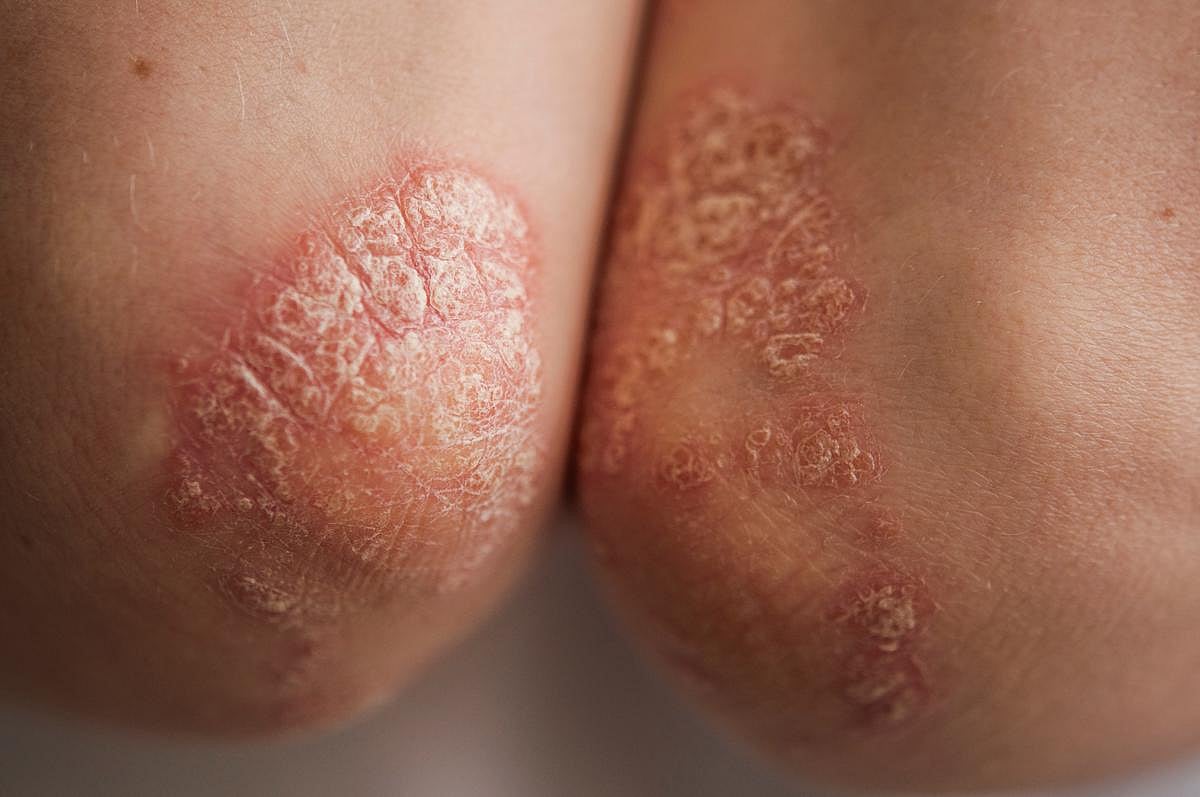
Most common late effects were endocrine, cardiovascular, respiratory; likelihood of late effects up for those who underwent HSCT
MONDAY, Nov. 23, 2020 (HealthDay News) — Many adolescent and young adult (AYA) survivors of acute myeloid leukemia (AML) experience late effects, with the most common being endocrine, cardiovascular, and respiratory, according to a study published online Nov. 9 in the International Journal of Epidemiology.
Renata Abrahão, M.D., Ph.D., from the University of California Davis in Sacramento, and colleagues identified 1,168 eligible AYAs with AML who survived at least two years after diagnosis during 1996 to 2012. Late effects were reported, and patients were followed through 2014.
The researchers found that at 10 years after diagnosis, the most common late effects were endocrine, cardiovascular, and respiratory (26.1, 18.6, and 6.6 percent, respectively), followed by neurologic, liver/pancreatic, renal, avascular necrosis, and second primary malignancies (4.9, 4.3, 3.1, 2.7, and 2.4 percent, respectively). Overall, 46.8 percent of the survivors received a hematopoietic stem cell transplant (HSCT). The likelihood of all late effects was increased about twofold or higher for AYAs who underwent HSCT or had a non-favorable-risk AML, after multivariable adjustment. Higher risks for numerous late effects were seen for AYAs of Hispanic, Black, or Asian/Pacific Islander versus non-Hispanic White race/ethnicity and for those who lived in lower socioeconomic neighborhoods.
“Our findings can assist with the development of survivorship strategies focused on the AYA population, enhancing long-term surveillance and care for subgroups of AML AYA survivors and ultimately reducing suffering and increasing survival in these patients,” the authors write.
Abstract/Full Text (subscription or payment may be required)
 Blinatumomab Improves Event-Free Survival in Children With High-Risk B-Cell ALL
  Structured Exercise Should Be Considered as Adjunct Therapy for Cancer
  Youth Suicide Risk Linked to Community Firearm Violence
  Trends Reported in Vaccination Coverage for Adolescents for 2025
  Nearly 3 in 4 Older Adults Express Interest in Vaccine to Prevent Dementia
  Updated COVID-19 Shot Beneficial for Those With Autoimmune Rheumatic Disease
  AAP Issues Recommendations for Pediatric RSV Vaccination in 2026-2027 Season
  Social Media Warnings Could Discourage Use Among Teens, Young Adults