



Annually, out-of-pocket costs paid by 86.5 to 95.2 percent of patients for evaluation/management visits
WEDNESDAY, Dec. 23 2020 (HealthDay News) — From 2001 to 2016, out-of-pocket costs of evaluation and management (E/M) services and common diagnostic tests increased for neurology patients, according to a study published online Dec. 23 in Neurology.
Chloe E. Hill, M.D., from the University of Michigan in Ann Arbor, and colleagues used a large, privately insured health care claims database to measure out-of-pocket costs for E/M services and common diagnostic testing for neurology patients from 2001 to 2016. Data were included for 3,724,342 patients.
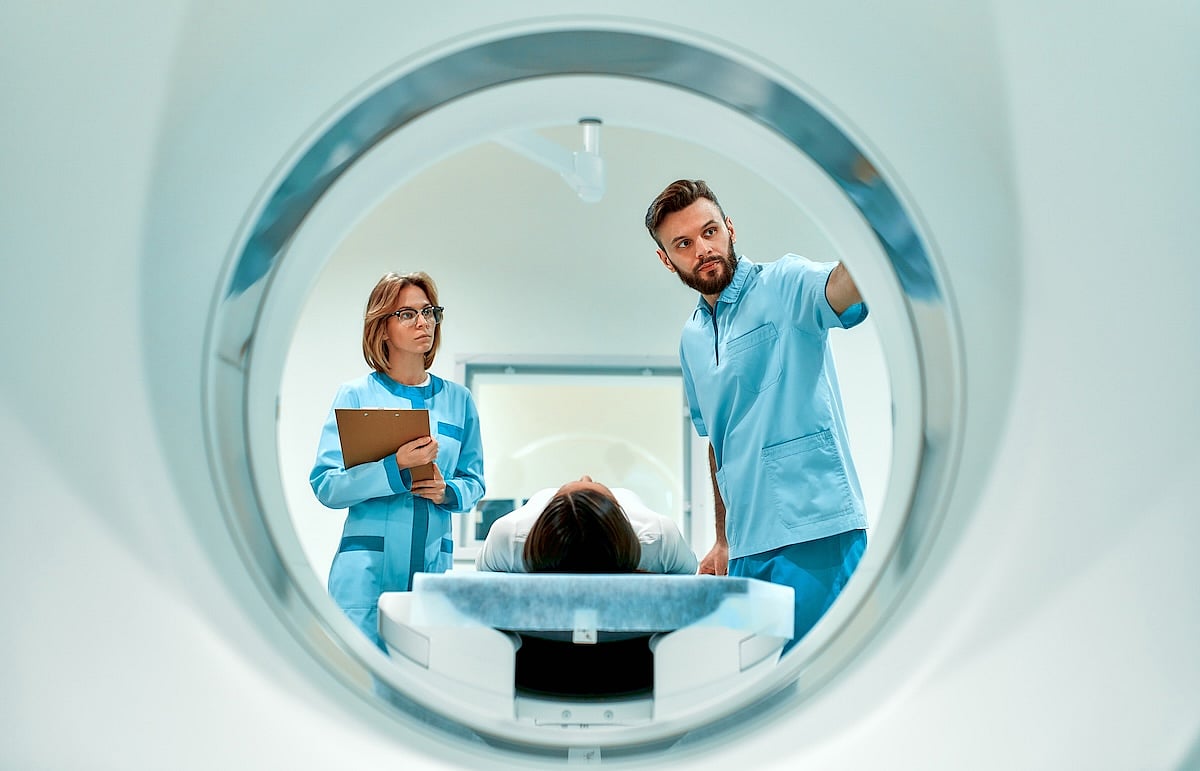
The researchers found that E/M visits, electromyogram/nerve conduction studies , magnetic resonance imaging (MRI), and electroencephalograms (EEGs) were the most frequent neurologic services (78.5, 7.7, 5.3, and 4.5 percent, respectively). Annually, out-of-pocket costs were paid by 86.5 to 95.2 percent of patients for E/M visits and by 23.1 to 69.5 percent of patients for diagnostic tests. The mean out-of-pocket cost increased over time, with the most substantial increases seen for EEG, MRI, and E/M visits. There was considerable variation noted in out-of-pocket costs; the 50th and 95th percentile paid $103.1 and $875.4, respectively, for an MRI in 2016. The investigators also observed an increase in the proportion of total service cost paid out of pocket.
“This trend of increased out-of-pocket costs could be harmful, as people may forgo diagnostic evaluation due to costs, or those who complete diagnostic testing may be put in a position of financial hardship before they can even start to treat their condition,” Hill said in a statement.
Several authors disclosed financial ties to the medical device and medical-legal industries.
Abstract/Full Text (subscription or payment may be required)
 Low Levels of Placental Growth Factor in Pregnancy Linked to Subsequent ADHD in Offspring
  Urine Cell-Free RNA Shows Promise as Biomarker for Bladder Cancer
  Age-, Joint-Specific Ultrasound Reference Values Set for Healthy Joints
  PET/MRI Offers Diagnostic, Prognostic Value in Pediatric Epilepsy
  Implant, Patient Survival Do Not Differ for Robotic and Conventional Total Joint Replacement
  Drug Interactions Reducing Contraceptive Effectiveness Common in Epilepsy
  Pre-Prostate Biopsy MRI Use Increased From 2017 to 2026
  Physical Therapist-Supervised Exercise Improves Outcomes After ACL Reconstruction
 .jpg)


