



Increased incidence of IKZF1 deletion and IGH-CRLF2 translocation seen in Hispanic/Latino children with B-ALL
FRIDAY, Feb. 19, 2021 (HealthDay News) — Hispanic/Latino (H/L) children with B-cell acute lymphoblastic leukemia (B-ALL) have an increased incidence of IKZF1 deletion and IGH-CRLF2 translocation, according to a letter to the editor published online Feb. 2 in Leukemia.
Gordana Raca, M.D., Ph.D., from the Children’s Hospital Los Angeles, and colleagues analyzed clinical and molecular data from 239 pediatric B-ALL patients (164 self-reported as H/L and 75 classified as non-H/L) treated between March 2016 and July 2019 to examine the biological basis underlying the health disparity in H/L children with B-ALL.
The researchers found that compared with the non-H/L population, the H/L population had a significantly higher incidence of IKZF1 deletion (29 versus 15 percent). In the H/L versus non-H/L population, the concomitant IKZF1 deletion with CRLF2 translocation was strongly increased (12 versus 0 percent). A strong bias was seen in the association of IKZF1 deletion with specific CRLF2 translocation: In patients with IKZF1 deletion, the IGH-CRLF2 translocation was increased ninefold versus the P2RY8-CRLF2 fusion (18/164 versus two/164). In the H/L versus the non-H/L population, IKZF1 deletion concomitant with IGH-CRLF2 translocation was strongly increased (11 versus 0 percent).
“These mutations offer an explanation for the poor prognosis and increased incidence of B-ALL in Hispanic and Latino children and offer us insight into this pediatric cancer health disparity,” a coauthor said in a statement. “Sequencing these genes in Hispanic and Latino children with B-ALL is essential to help pediatric oncologists determine a prognosis for these patients and develop appropriate treatment plans.”
 Pre-Prostate Biopsy MRI Use Increased From 2017 to 2026
  Childhood Cancer Survivors Often Have Mental Distress in Adulthood
 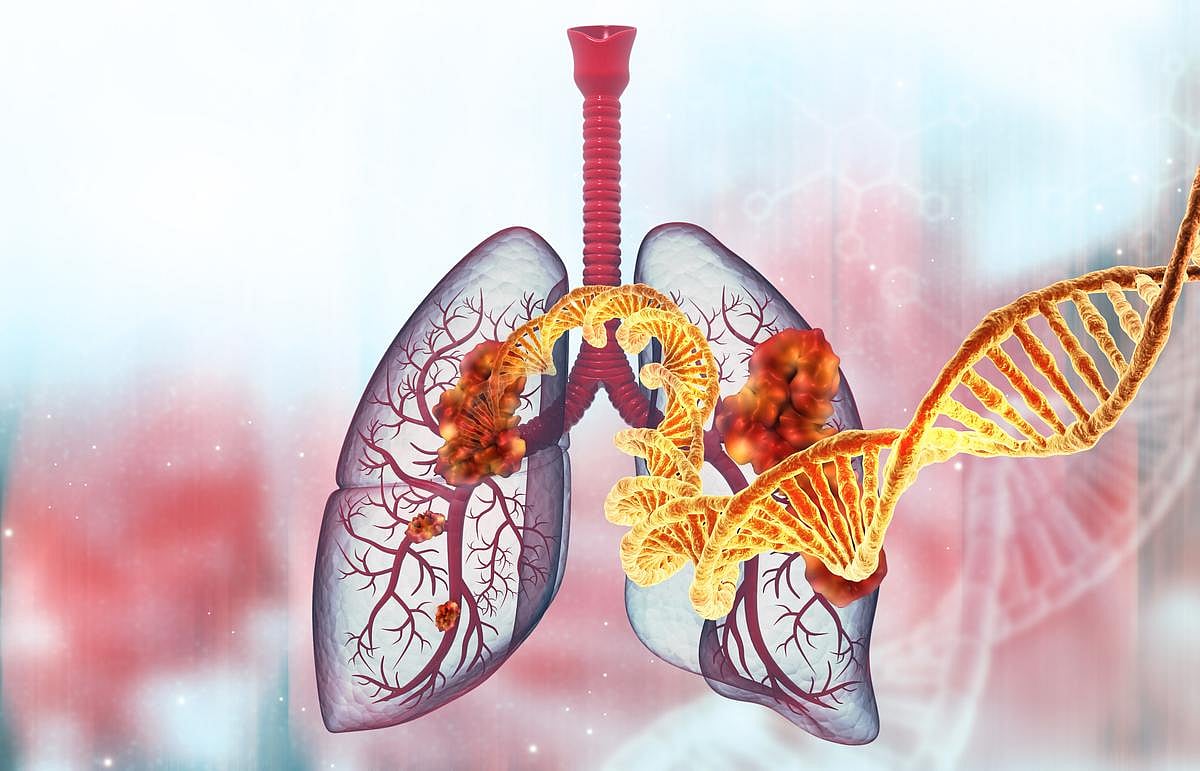 Gene Mutation Identified That Increases Lung Cancer Risk
  MHT Initiation May Reduce Cardiovascular Risk in Women With Vasomotor Symptoms
  Oral Menopausal Hormone Therapy Linked to Venous Thromboembolic Risk
  Longer Reproductive Lifespan Tied to Lower Bronchiectasis Risk in Postmenopausal Women
  Midlife Onset of Increasing Pulse Pressure Not Linked to Menopause
  Residential Context Has Larger Impact on Ovarian Cancer Survival in Black Women




.jpg)