


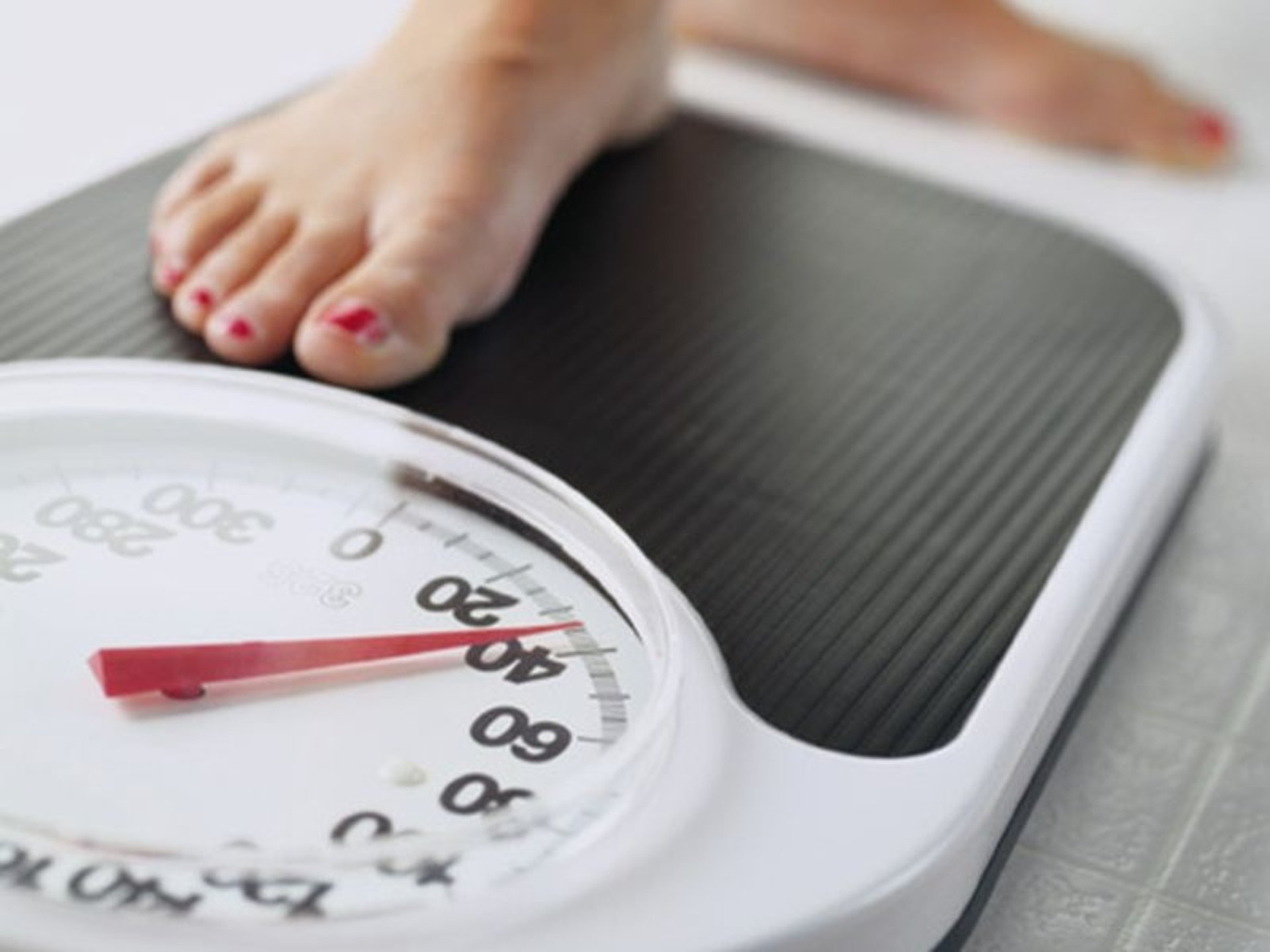
Risks increased for admission to hospital, death, and ICU admission; risks up for younger people and Blacks versus Whites
TUESDAY, May 4, 2021 (HealthDay News) — The risk for severe COVID-19 leading to hospital admission and death is increased at a body mass index (BMI) of more than 23 kg/m2, according to a study published online April 28 in The Lancet Diabetes & Endocrinology.
Min Gao, from the University of Oxford in the United Kingdom, and colleagues conducted a community-based cohort study using deidentified patient-level data to examine the association of obesity with adverse outcomes after severe acute respiratory syndrome coronavirus 2 (SARS-CoV-2) infection. Data were included for 6,910,695 eligible individuals (mean BMI, 26.78 kg/m2).
The researchers found that 0.20 percent of the eligible individuals were admitted to the hospital, 0.02 percent were admitted to an intensive care unit (ICU), and 0.08 percent died after a positive SARS-CoV-2 test. A J-shaped association was identified between BMI and admission to the hospital for COVID-19 and death (adjusted hazard ratios per kg/m2 from the nadir at BMI of 23 kg/m2, 1.05 and 1.04, respectively); across the whole BMI range, there was a linear association with ICU admission (hazard ratio, 1.10). There was a significant interaction between BMI and age and ethnicity; above BMI 23 kg/m2, hazard ratios increased per kg/m2 for younger people (adjusted hazard ratio for hospital admission, 1.09 versus 1.01 for those aged 20 to 39 versus 80 to 100 years) and for Blacks versus Whites (hazard ratios, 1.07 versus 1.04).
“We don’t yet know that weight loss specifically reduces the risk of severe COVID-19 outcomes, but it is highly plausible, and will certainly bring other health benefits,” a coauthor said in a statement.
 Withdrawal From Medetomidine Increasingly Seen in ICUs
  NEWS2 Scores Can ID Patients With Suspected Sepsis Needing Timely Treatment
  Therapeutic Hypothermia Duration Explored in Comatose OHCA Survivors
 .jpeg) Flu Treatment With Oseltamivir Linked to Reduced Risk for Pediatric ICU Admissions, Length of Stay
Flu Treatment With Oseltamivir Linked to Reduced Risk for Pediatric ICU Admissions, Length of Stay .jpg) Considerable Gaps Reported in Care for Youth With Opioid Use Disorder
Considerable Gaps Reported in Care for Youth With Opioid Use Disorder  Nutritional Deficiencies Seen in Youth Taking GLP-1 Receptor Agonists
  Youth Suicide Risk Linked to Community Firearm Violence
  Trends Reported in Vaccination Coverage for Adolescents for 2025


.jpg)

