


Model, which was trained on data from one institution and tested on data from a second institution, had area under the curve of 0.78
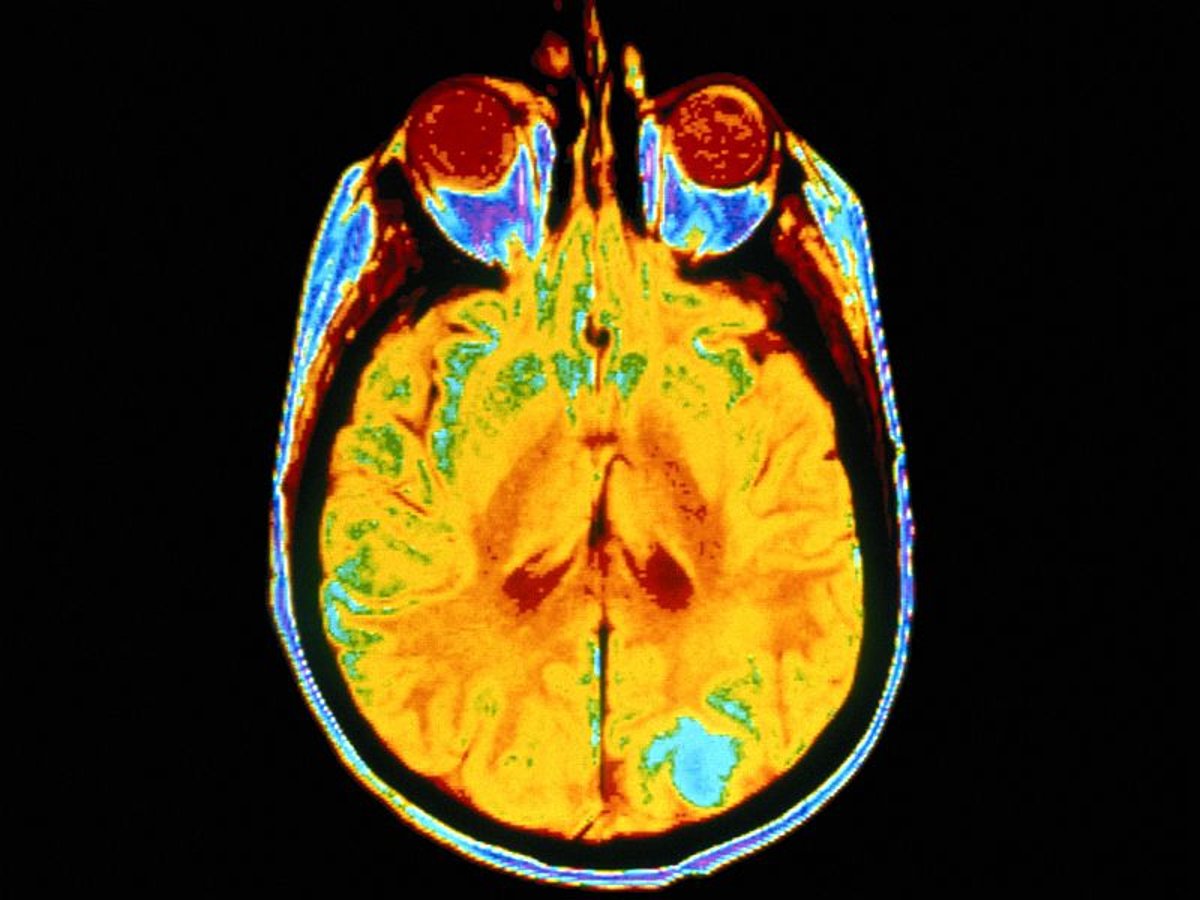
THURSDAY, May 6, 2021 (HealthDay News) — A deep learning model is feasible for differentiating normal or likely abnormal brain magnetic resonance imaging (MRI), according to a study published online April 21 in Radiology: Artificial Intelligence.
Romane Gauriau, Ph.D., from the MGH & BWH Center for Clinical Data Science in Boston, and colleagues conducted a retrospective study to develop a deep learning approach using T2-weighted fluid attenuated inversion recovery (FLAIR) images to classify brain MRI as likely normal or likely abnormal. A convolutional neural network was trained on a large heterogeneous dataset covering a broad range of pathologies. Data were included from three datasets: Dataset A included 2,839 patients; dataset B included 6,442 patients; and dataset C included 1,489 patients. Datasets A and B were split into training, validation, and test sets, while dataset C was only used for testing.
The researchers found that the F1-score was 0.72 for model A, which was trained on dataset A from one institution and tested on dataset C from another institution; when compared with findings from the radiologic reports, the area under the curve was 0.78.
“The problem we are trying to tackle is very, very complex because there are a huge variety of abnormalities on MRI,” Gauriau said in a statement. “We showed that this model is promising enough to start evaluating if it can be used in a clinical environment.”
One author disclosed financial ties to the medical device industry.
Abstract/Full Text (subscription or payment may be required)
 More Extensive Deposits of Tau Seen in Early-Onset Alzheimer Disease
 AI Better Assesses Heart Function From MRI Than Clinicians
 CTE Pathology Found in Nearly 75 Percent of Deceased Former NFL Players
 Pre-Prostate Biopsy MRI Use Increased From 2017 to 2026
 Urine Cell-Free RNA Shows Promise as Biomarker for Bladder Cancer
 PET/MRI Offers Diagnostic, Prognostic Value in Pediatric Epilepsy
.jpeg) Higher Intake of Saturated, Animal Fats May Increase Mortality in Prostate Cancer
 Adverse Pathological Features Do Not Predict Benefit of Hormone Therapy in Prostate Cancer





