Lower obesity threshold of BMI ≥25 kg/m2 tied to increased risk of endometrial cancer in Asian women presenting with postmenopausal bleeding
WEDNESDAY, June 30, 2021 (HealthDay News) — Body mass index (BMI) ≥25 kg/m2 is independently associated with increased risk of endometrial cancer among Chinese women presenting with postmenopausal bleeding, according to a study published online June 30 in Menopause.
Fangzhi Liu, M.B.Ch.B., from the Prince of Wales Hospital in Hong Kong, and colleagues examined whether BMI of 25 kg/m2 would delineate increased risk of endometrial cancer in a cohort of 4,164 women referred for postmenopausal bleeding. Participants had a medical history taken and underwent BMI measurement, transvaginal pelvic ultrasonography, and endometrial sampling.
Within the cohort, 20.8 and 38.7 percent were overweight (BMI, 23 to 24.9 kg/m2) and obese (BMI, ≥25 kg/m2), respectively, and 3.9 percent had endometrial cancer. The researchers observed an association for prevalence of endometrial cancer with BMI category. Compared with BMI <25 kg/m2, BMI ≥25 kg/m2 was independently associated with a 1.57-times increased risk of endometrial cancer in multivariable analysis.
“This study highlights the known relationship between BMI and endometrial cancer and suggests that the Asian BMI standard for obesity (≥25 kg/m²) helps to identify endometrial cancer in Asian women with postmenopausal bleeding,” Stephanie Faubion, M.D., medical director of the North American Menopause Society, said in a statement. “Key takeaways are that all women with postmenopausal bleeding should undergo evaluation, and obesity remains an important and modifiable risk factor for endometrial cancer, with a linear relationship between BMI and endometrial cancer risk.”
Abstract/Full Text (subscription or payment may be required)
 Longer Reproductive Lifespan Tied to Lower Bronchiectasis Risk in Postmenopausal Women
  Midlife Onset of Increasing Pulse Pressure Not Linked to Menopause
 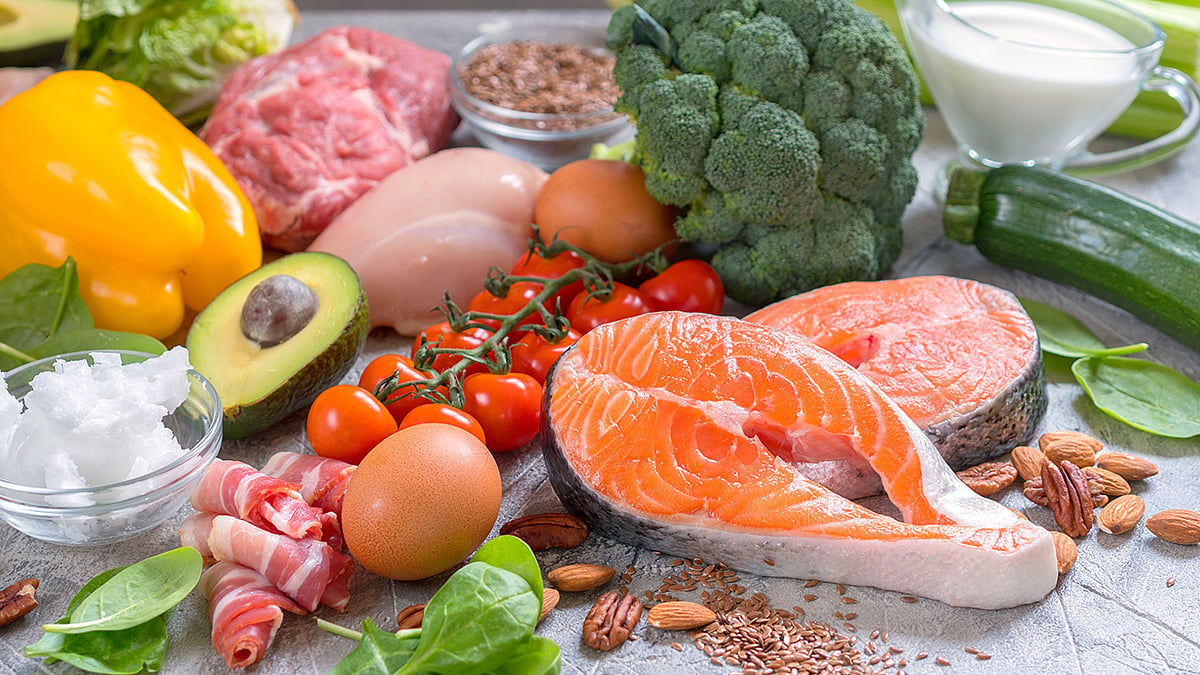 Very Low-Carb Diet Shows Greater Cardiometabolic Benefits Than Other Diets
  Residential Context Has Larger Impact on Ovarian Cancer Survival in Black Women
  Structured Exercise Should Be Considered as Adjunct Therapy for Cancer
  Adverse Pathological Features Do Not Predict Benefit of Hormone Therapy in Prostate Cancer
  Azacitidine + Venetoclax Tied to Improved Event-Free Survival in Adults With AML
  Cancer Risk ID"d for Asian American, NHPI Population