Use of clomiphene citrate or gonadotropins, alone or in combination, not associated with increased risk for breast cancer
THURSDAY, July 1, 2021 (HealthDay News) — Women treated with ovarian stimulation drugs for infertility do not have a significantly increased risk of breast cancer, according to a systematic review and meta-analysis published in the July issue of Fertility and Sterility.
Yusuf Beebeejaun, M.B.B.S., from King’s College London, and colleagues conducted a systematic review of studies involving women without any previous history of breast cancer who were receiving ovarian stimulation therapy. Data were included from all cohort studies that reported new incidences of breast cancer among infertile women using ovarian stimulation drugs.
Due to the serious risk of bias and indirectness, the quality of evidence was very low overall. The researchers found that women treated with any ovarian stimulation drug for infertility had no significant increase in the risk of breast cancer compared with that seen in unexposed controls from the general population and the infertile population (pooled odds ratio, 1.03; 95 percent confidence interval, 0.86 to 1.23). Furthermore, the risk of breast cancer was not significantly increased with the use of clomiphene citrate or gonadotropins, alone or in combination.
“Our study showed that the use of drugs to stimulate ovaries in fertility treatment did not put women at increased risk of breast cancer,” a coauthor said in a statement. “This study provides the evidence needed to reassure women and couples seeking fertility treatments.”
Abstract/Full Text (subscription or payment may be required)
 Study IDs Risk Factors for Ketoacidosis in Adults With T2D Receiving SGLT2 Inhibitors
  Anifrolumab Tied to Lower Hospitalization, Infection Risk in Lupus
 .jpg) Recommendations Updated for Management of Anemia in CKD
Recommendations Updated for Management of Anemia in CKD  Lower Breast, Cervical Cancer Screening Seen for Adults With Disabilities
  Family History of CRC Increases CRC Risk Similarly in IBD, General Population
 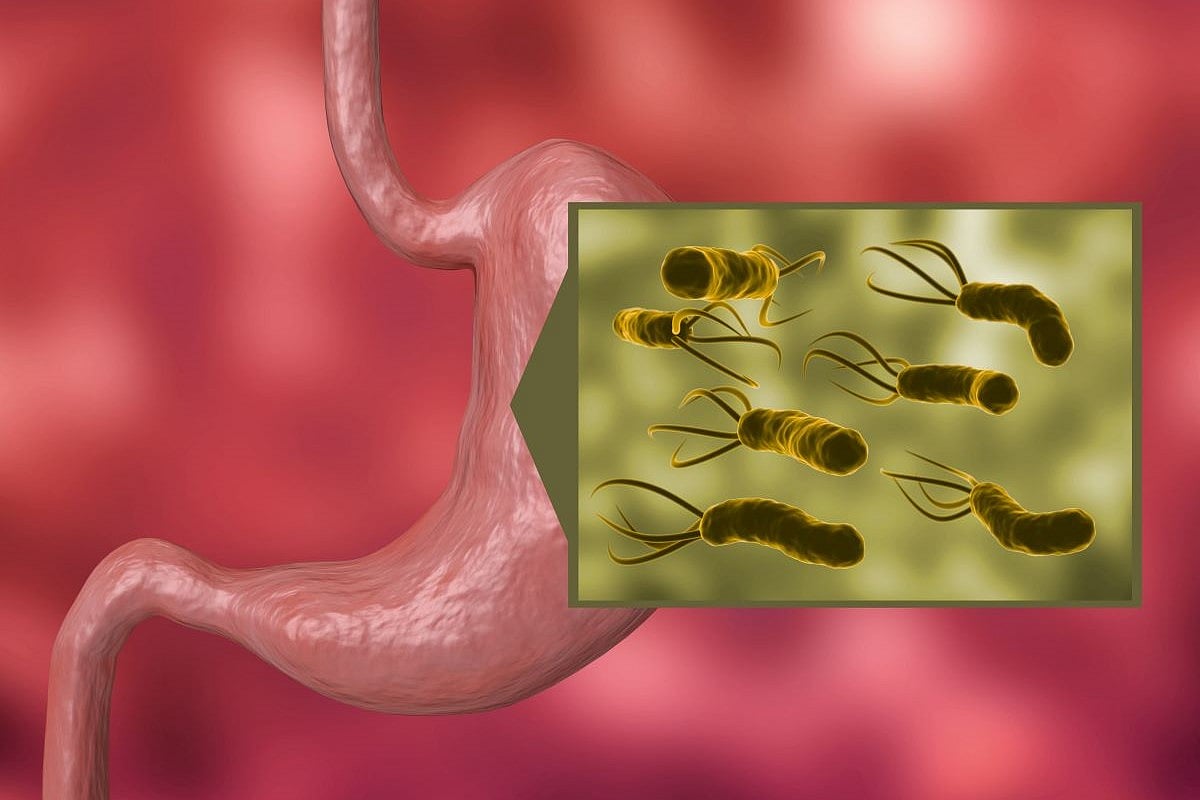 H. Pylori Exposure May Contribute to Global Burden of Colorectal Cancer
  Alcohol-Attributable Cancer Mortality Has Increased Significantly in the U.S.
  2005 to 2023 Saw More U.S. Women Never Screened for Cervical Cancer