


Pain scores significantly reduced with use of TENS device; greater improvement seen in functionality
THURSDAY, July 8, 2021 (HealthDay News) — A portable, disposable, and home self-applied transcutaneous electrical nerve stimulation (TENS) device is effective for reducing pain among patients with migraine, according to a study published online May 20 in PAIN Practice.
Flávia S. Domingues, from Sao Paulo State University in Botucatu, Brazil, and colleagues conducted a double-blind randomized controlled trial over three months, with monthly assessments to examine the analgesic efficacy of a TENS device. Seventy-four patients diagnosed with migraine were randomly assigned to TENS or an active placebo (intervention and sham groups; 42 and 32 patients, respectively). During the migraine attack, pain intensity and functional disability were measured before and after the 20-minute self-applied TENS intervention.
The researchers found that lower pain scores were reported by both groups of participants, but compared with the sham group, the intervention group showed a statistically significant reduction in pain scores. The median difference between functionality scores before and after the intervention was also significantly higher in the intervention group. No patient presented adverse effects or intolerance to the electrical stimuli.
“Although TENS is not currently recommended in evidence-based practice to relieve pain in patients with migraine attacks, further studies with larger cohorts, particularly in real-life settings, are necessary to evaluate the analgesic efficacy and standardize parameters for TENS stimulation in patients with migraine,” the authors write.
The authors disclosed financial ties to Medecell do Brasil Importadora e Exportadora; Medecell donated the devices used in the study.
Abstract/Full Text (subscription or payment may be required)
 Research Challenges Fusion for Lumbar Degenerative Spondylolisthesis
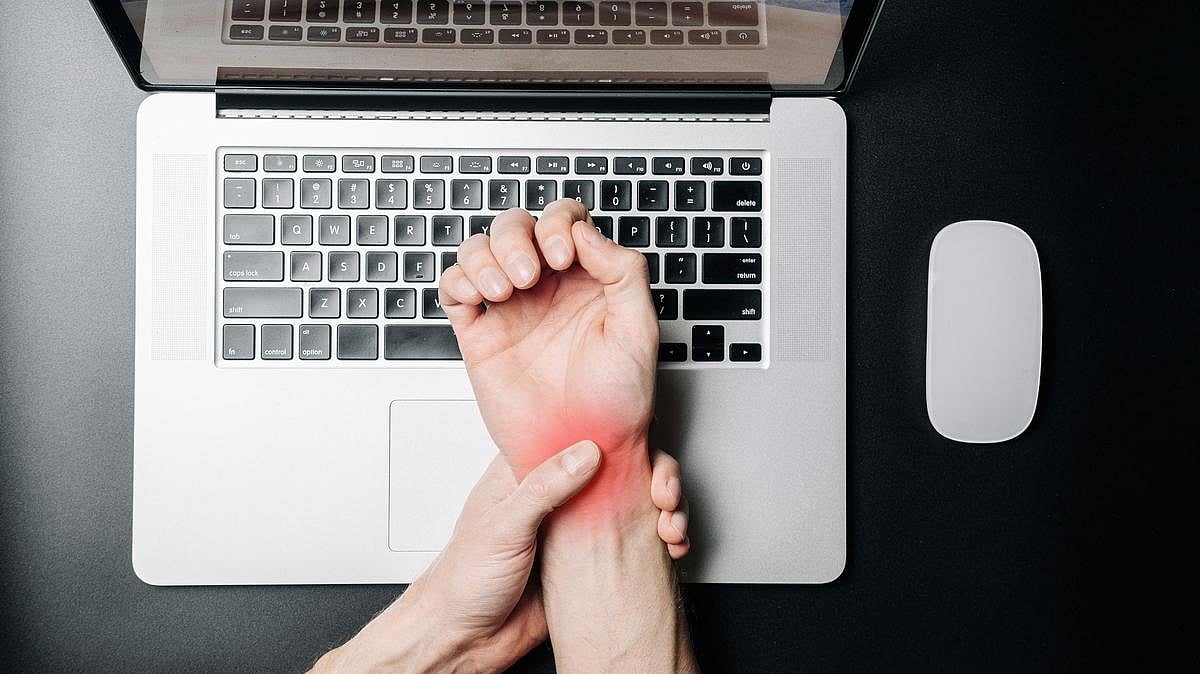 Ultrasound-Guided Hydrodissection Yields Improvements in Carpal Tunnel
 Physical Therapist-Supervised Exercise Improves Outcomes After ACL Reconstruction
 2013 to 2024 Saw Decrease in Benzodiazepine Prescribing
 Maternal Night-Shift Work Tied to Later Neurodevelopmental Issues in Offspring
 More Than 1 in 4 Americans Misrepresent Symptoms to Get Antibiotics
 Hospital Outcomes Better When Patients Treated by Female Physicians
 Treatment Satisfaction Higher for Patients With RA Choosing Their Own Treatment





.jpg)