Recommendations address evaluation, management of fever in infants aged 8 to 21, 22 to 28, 29 to 60 days; role of parents emphasized
MONDAY, July 19, 2021 (HealthDay News) — In a new clinical practice guideline issued by the American Academy of Pediatrics and published online July 19 in Pediatrics, key action statements are presented for the management of well-appearing infants aged 8 to 60 days with a fever ≥38 degrees Celsius.
Robert H. Pantell, M.D., from the Alta Bates Summit Medical Center-Berkeley in Honolulu, and colleagues developed guidelines for the evaluation and management of well-appearing febrile infants aged 8 to 21 days, 22 to 28 days, and 29 to 60 days.
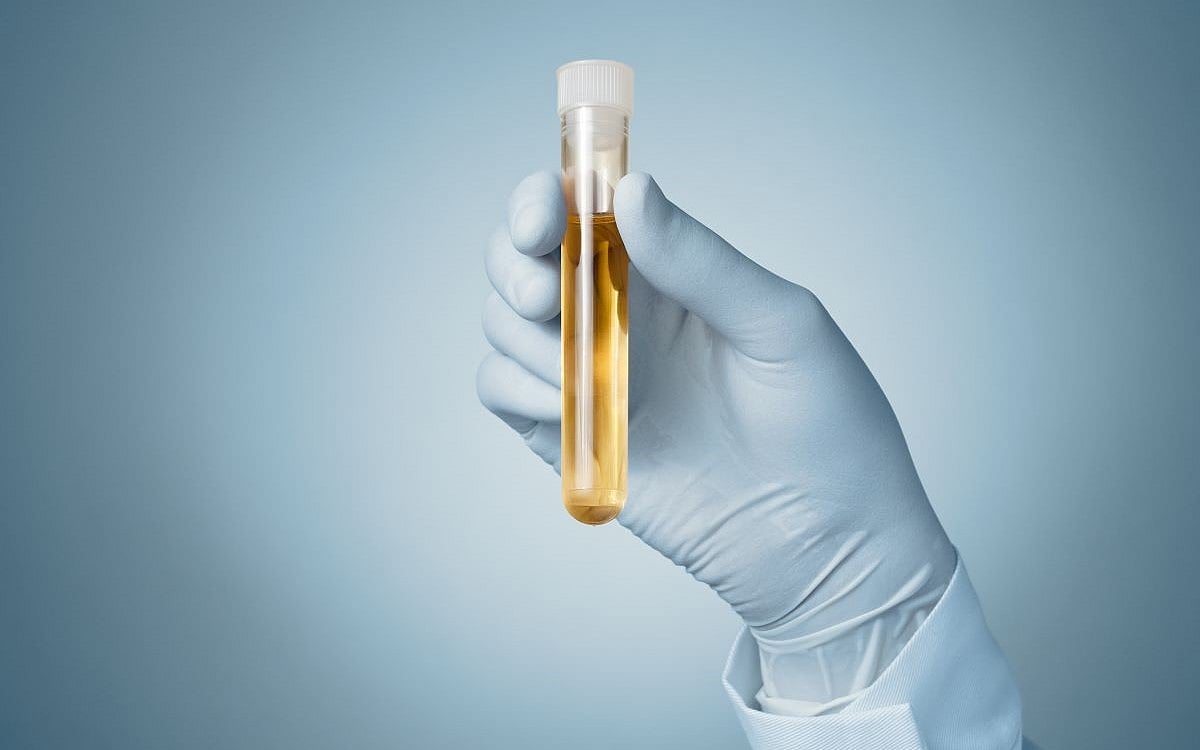
For infants aged 8 to 21 days, the authors recommend obtaining a urine specimen by catheterization or suprapubic aspiration of the bladder for urinalysis (UA) and for culture if the UA is positive. A blood culture should be obtained; inflammatory markers may be assessed. Cerebrospinal fluid (CSF) should be obtained for analysis and cultured for bacteria. Parenteral antimicrobial therapy should be initiated. While awaiting results of bacterial culture, infants should be actively monitored in the hospital setting by experienced nurses and staff. If culture results are negative for 24 to 36 hours or are positive only for contaminants, the infant continues to appear clinically well or is improving, and there are no other reasons for hospitalization, parenteral antimicrobials should be discontinued and patients discharged. Bacterial pathogens in urine, blood, or CSF should be treated with targeted antimicrobial therapy.
“As we learn more about the risks and benefits of treating infants, we offer evidence-based recommendations for physicians to consider,” a coauthor said in a statement. “We also acknowledge the significant role that parents play in the decision making process as informed participants in the process.”
Several authors disclosed financial ties to industry.
 Early Imaging for First Febrile Urinary Tract Infection Tied to False Positives
  Fever Rates Elevated After Powered Intracapsular Tonsillectomy, Adenoidectomy
  Participating in Caregiving Activities Tied to Cognitive Benefits for Grandparents
  2,770 Cases of Arboviral Disease Reported in 48 States and D.C. in 2023
  CDC: 1,955 Arboviral Disease Cases Reported in 48 States, D.C. in 2024
  Significant Association ID"d Between Hepatitis C, Overactive Bladder
 .jpg) Study Looks at Barriers to Initiation of Rotavirus Vaccine
Study Looks at Barriers to Initiation of Rotavirus Vaccine  Obstructive Sleep Apnea Tied to Nearly Doubled Risk for Flu, COVID-19 in Childhood