Higher whole grain intake tied to smaller increases in waist size, blood pressure, blood sugar over time
THURSDAY, Sept. 16, 2021 (HealthDay News) — Higher intake of whole grains (WG) is associated with smaller increases in waist size, blood pressure, and blood sugar levels over time compared with high refined grain (RG) consumption, according to a study recently published in The Journal of Nutrition.
Caleigh M. Sawicki, Ph.D., M.P.H., from the Jean Mayer USDA Human Nutrition Research Center on Aging at Tufts University in Boston, and colleagues examined the longitudinal association between WG and RG intake on changes in waist circumference (WC); fasting high-density lipoprotein (HDL) cholesterol, triglyceride, and glucose concentrations; and blood pressure among 3,121 participants in the Framingham Offspring cohort study (median follow-up, 18 years).
The researchers found that greater WG intake was associated with smaller increases in WC, fasting glucose concentration, and systolic blood pressure per four-year interval. A stronger association with WC was seen among women than men. There was a trend toward higher intake of WG and an association with greater increases in HDL cholesterol and declines in triglyceride concentrations, but these differences did not remain significant when adjusting for change in WC. Greater RG intake was associated with greater increases in WC and less decline in triglyceride concentration.
“Among middle- to older-age adults, replacing RG with WG may be an effective dietary modification to attenuate abdominal adiposity, dyslipidemia, and hyperglycemia over time, thereby reducing the risk of cardiometabolic diseases,” the authors write.
Two authors disclosed financial ties to the General Mills Bell Institute of Health and Nutrition, which partly funded the study.
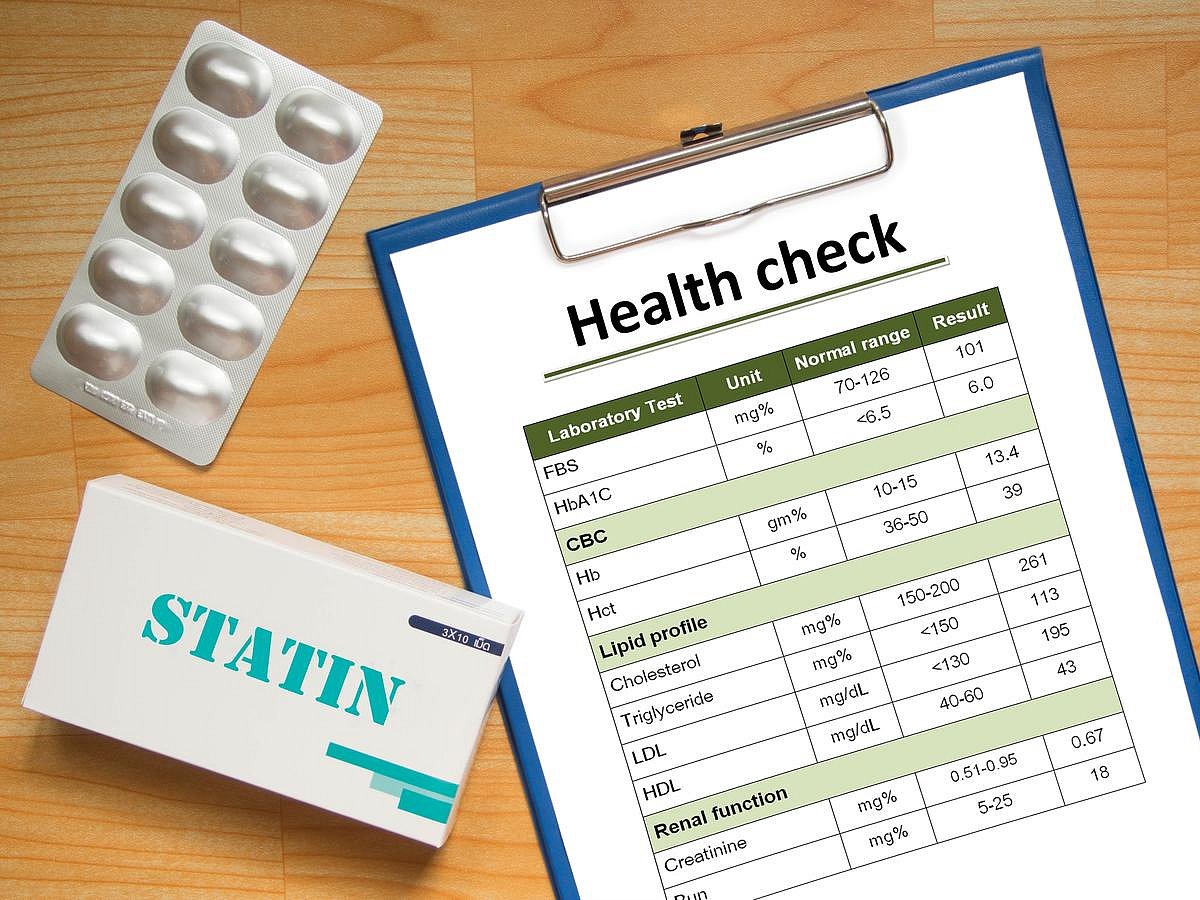 Machine Learning LDL-C Equation Comparable to Original Martin-Hopkins
  Sugar-Sweetened Beverage, Fruit Juice Intake Linked to Hypertension Risk
  Whole Goat Milk Formula Can Reduce Incidence of Atopic Dermatitis in Infants
  Maternal Prepregnancy Health, Early Life Nutrition Linked to ALT Levels
  Higher Parental Vitamin B12 Tied to Lower Prevalence of Birth Defects
  Onset of Mortality, Morbidity Delayed for Offspring of Centenarians
  Antenatal Complications Increased With Maternal Multiple Long-Term Conditions
  Paternal Exposure to Valproate Not Linked to Offspring Neurodevelopmental Disorders