


A substantial number of young adults with moderate or severe hypercholesterolemia do not achieve guideline-directed reductions in LDL-C
THURSDAY, Nov. 18, 2021 (HealthDay News) — Many young adults with moderate or severe hypercholesterolemia do not achieve guideline-directed low-density lipoprotein cholesterol (LDL-C) reduction, according to a research letter published online Nov. 15 in JAMA Cardiology to coincide with the American Heart Association Scientific Sessions 2021, held virtually from Nov. 13 to 15.
Shauna L. Newton, M.D., from Massachusetts General Hospital in Boston, and colleagues used clinical registry data to identify two cohorts of adults age 20 to 39 years at the time of a qualifying LDL-C value between 2005 and 2018. A total of 17,591 individuals met the inclusion criteria: Cohort 1included individuals with an LDL-C value of ≥190 mg/dL (5,438 participants), while cohort 2 included those with an LDL-C value of 160 to <190 mg/dL (12,513 individuals).
The researchers found that 30.1 percent of individuals in cohort 1 achieved at least a 50 percent reduction in LDL-C during a median follow-up of 7.8 years, with a lower likelihood of achieving this reduction in LDL-C for younger individuals. Overall, 23.4 percent of patients had a last LDL-C value of ≥190 mg/dL. Lipid-lowering therapy (LLT) was prescribed to 48.5 percent of individuals, including 77.5 and 36.0 percent, respectively, of those who did and did not achieve a reduction of at least 50 percent in LDL-C. In cohort 2, 36.1 percent of individuals achieved at least a 30 percent reduction in LDL-C during a median 7.7 years of follow-up; 30.4 percent had a last LDL-C value of ≥160 mg/dL. Only 20.0 percent received LLT.
“Our findings suggest significant underrecognition of the risks associated with persistent moderate hypercholesterolemia in young adulthood,” the authors write.
One author disclosed financial ties to the pharmaceutical and technology industries.
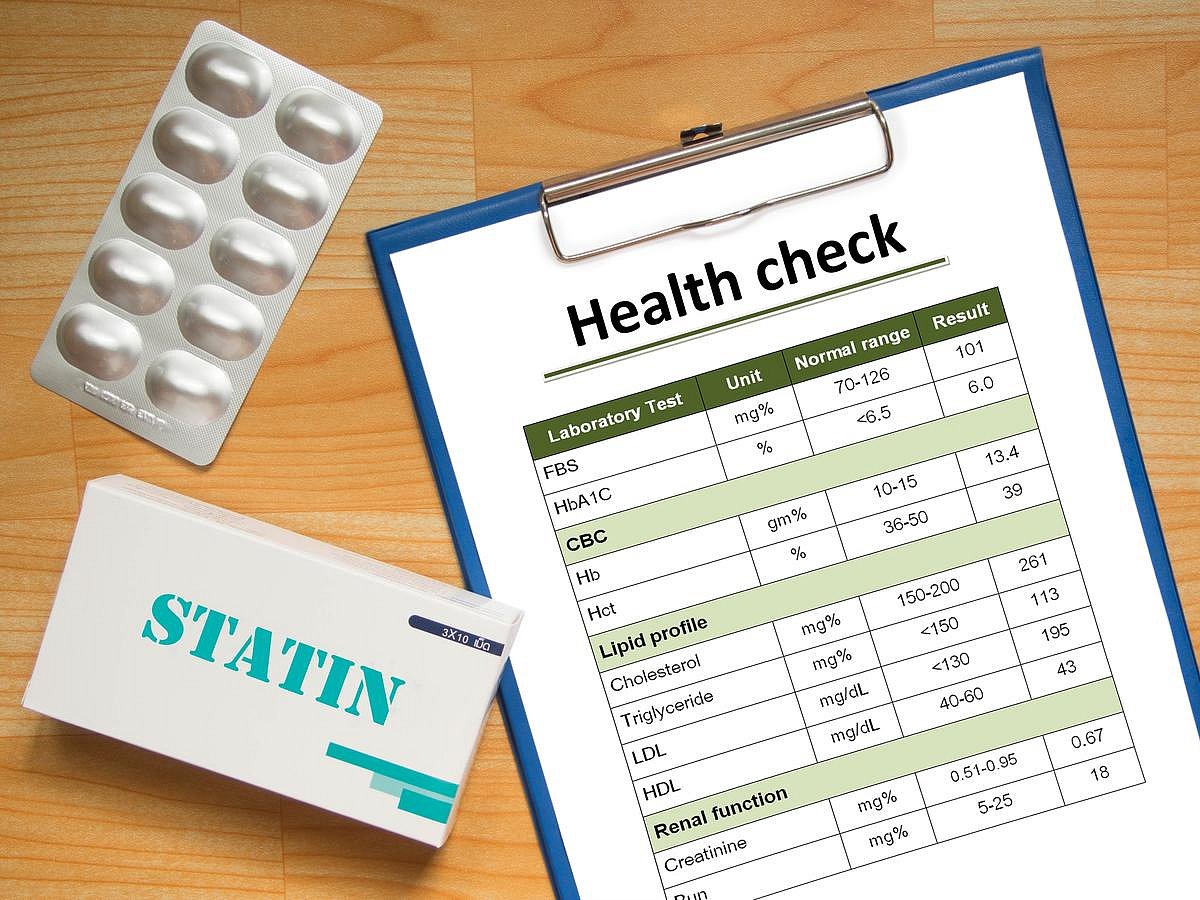 Machine Learning LDL-C Equation Comparable to Original Martin-Hopkins
 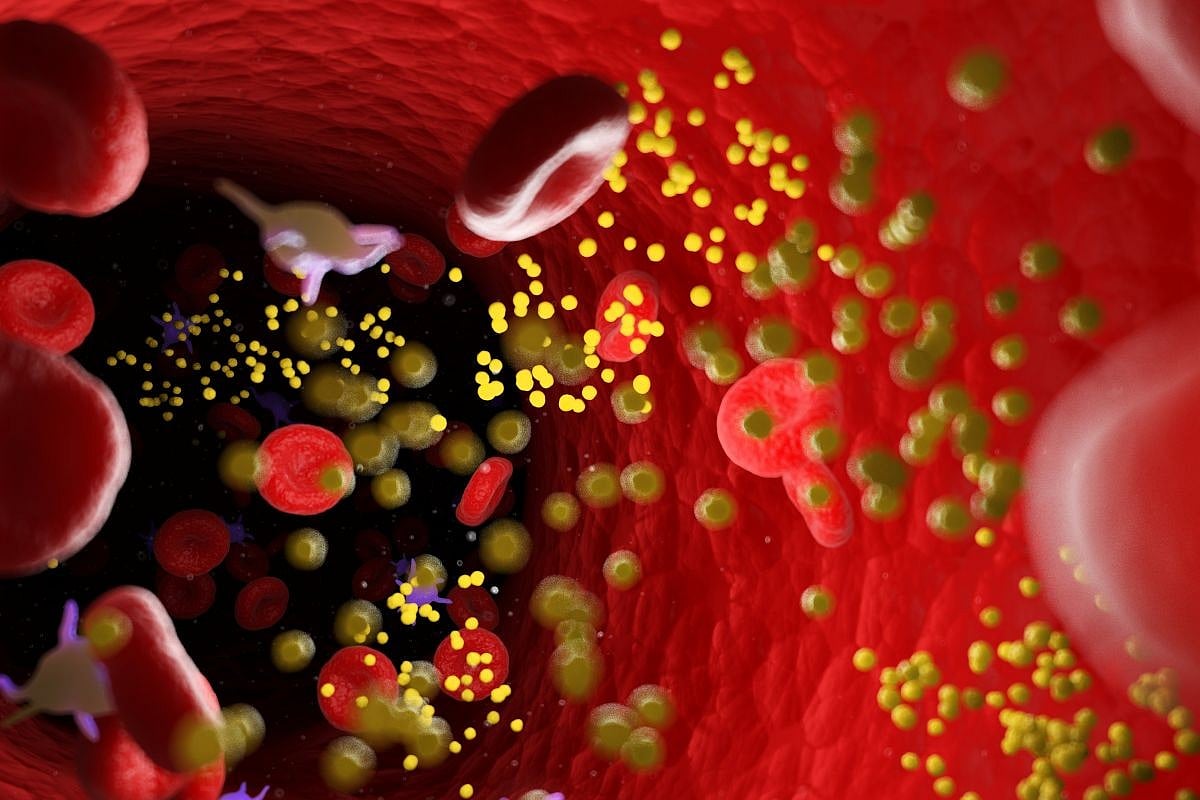 Placebo-Controlled Trial Shows Reduced LDL Cholesterol Levels With Enlicitide
  Very High Lipoprotein(a) Levels Linked to Future CVD Risk in Women
  Exome Sequencing Can ID Those Who Are Genotype-Positive for Familial Hypercholesterolemia
  Urine Cell-Free RNA Shows Promise as Biomarker for Bladder Cancer
  Exercise-Based Cardiac Rehab Beneficial for Coronary Heart Disease
  Gene Mutation Identified That Increases Lung Cancer Risk
  Genetics, Diabetes Tied to MASLD-Associated Cirrhosis Before Age 50


.jpg)

