Fourteen of the first 43 cases reported international travel during the 14 days preceding symptom onset or positive test result
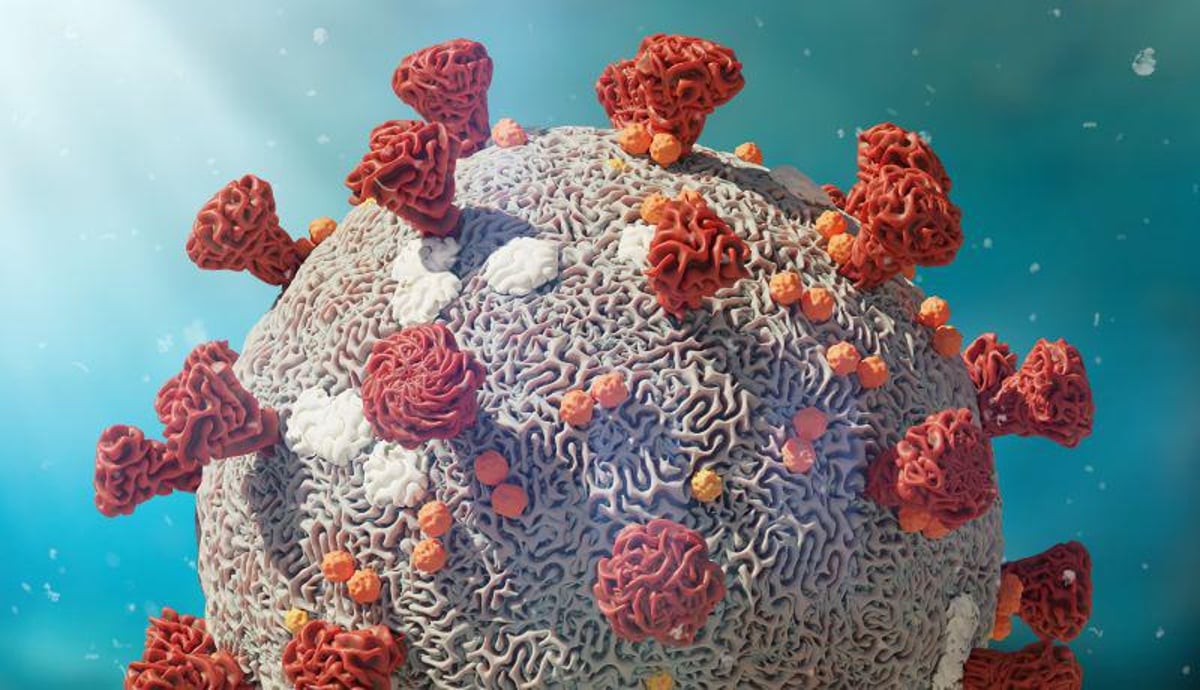
TUESDAY, Dec. 14, 2021 (HealthDay News) — Surveillance and characteristics of the severe acute respiratory syndrome coronavirus 2 (SARS-CoV-2) omicron variant are described in a report published in the Dec. 10 early-release issue of the U.S. Centers for Disease Control and Prevention Morbidity and Mortality Weekly Report.
Researchers from the CDC COVID-19 Response Team summarized U.S. surveillance for SARS-CoV-2 variants, characteristics of the initial persons with COVID-19 attributed to the omicron variant, and public health measures instituted to slow the spread of omicron.
The researchers note that enhanced surveillance was initiated through the National SARS-CoV-2 Strain Surveillance on Nov. 28, 2021, to accelerate detection of COVID-19 cases attributed to the omicron variant. The first U.S. case was identified on Dec. 1, 2021, and 22 states had reported cases as of Dec. 8, 2021. The earliest date of symptom onset was Nov. 15, 2021. Of the first 43 cases of COVID-19 attributed to the omicron variant, 58 percent were in persons aged 18 to 39 years. One-third (14 persons) reported international travel during the 14 days preceding symptom onset or positive test results. Seventy-nine percent of the COVID-19 cases attributed to the omicron variant occurred in persons who had completed the primary series of a U.S. Food and Drug Administration-authorized or approved COVID-19 vaccine 14 days or more prior to symptom onset or positive test result; 14 had received an additional or booster dose, including five who received the additional or booster dose <14 days before symptom onset. Six persons had a documented previous SARS-CoV-2 infection. Cough, fatigue, and congestion or runny nose were the most commonly reported symptoms. One vaccinated patient was hospitalized for two days; to date, no deaths have been reported.
“The rapid emergence and worldwide detection of the SARS-CoV-2 omicron variant underscores the importance of robust genomic surveillance systems and prompt information-sharing among global public health partners,” the authors write.
 ~16 Percent of COVID Cases Develop Postacute Sequelae of SARS-CoV-2
  Parts of the World Seeing New COVID-19 Variant
  HHS, NIH Unveil Vaccine Initiative to Protect Against Future Pandemics
  Hospital-Onset SARS-CoV-2 Infection During Omicron Linked to Morbidity
  Staffing, Scheduling, and Wage Changes Could Reattract Nurses Back to Hospitals
  Skilled Nursing Facility Capacity Declined Between 2019 and 2024
  Physical Design of Critical Care Units Influences Nursing Culture
  Low Capability Pediatric Hospitals More Than Doubled From 2003 to 2022