


Compared with White inpatients, Black inpatients less likely to receive cefazolin, more likely to receive clindamycin for SSTIs
WEDNESDAY, Jan. 5, 2022 (HealthDay News) — Race is associated with differential management of skin and soft tissue infections (SSTIs), according to a research letter published online Dec. 23 in JAMA Network Open.
Alysse G. Wurcel, M.D., from Tufts Medical Center in Boston, and colleagues assessed disparities in SSTI treatment using data from the national survey of Acute Care Hospital Groups within Vizient Inc. (Oct.16, 2018, to Jan. 13, 2019). The analysis included 1,242 adult inpatients treated for SSTI at 91 U.S. hospitals.
The researchers found that piperacillin-tazobactam and vancomycin were most prescribed and did not differ by race. Cefazolin was more commonly used in White inpatients versus Black inpatients (13 versus 5 percent), while clindamycin was more frequently used in Black inpatients than White inpatients (12 versus 7 percent), even after controlling for methicillin-resistant Staphylococcus aureus colonization, infection, and penicillin allergy. White inpatients were at an increased risk for cefazolin use (adjusted odds ratio, 2.82) and decreased risk for clindamycin use (adjusted odds ratio, 0.54) versus Black inpatients.
“Black inpatients were less likely to receive cefazolin and more likely to receive clindamycin compared with White inpatients,” the authors write. “Cefazolin is one of the first-line SSTI treatments. Clindamycin is not recommended given frequent dosing and high potential for adverse effects including Clostridioides difficile infection.”
 Pre-Prostate Biopsy MRI Use Increased From 2017 to 2026
 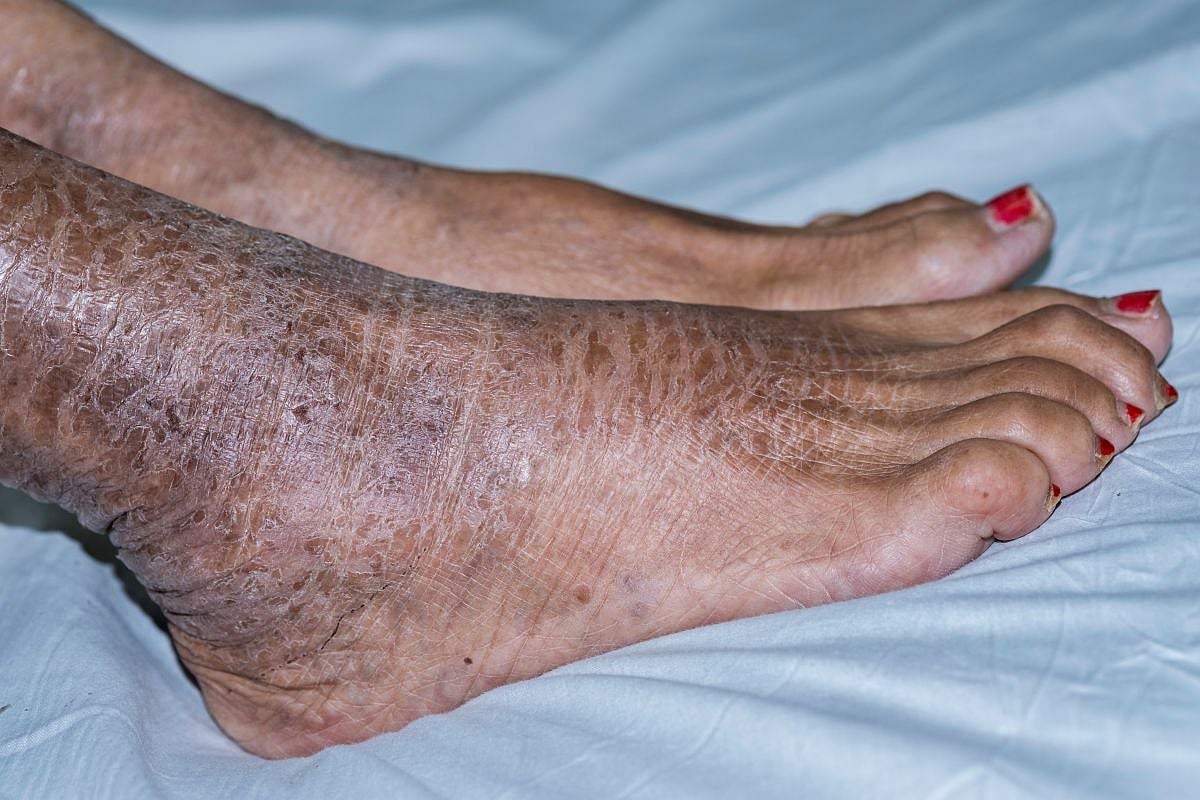 Congenital Ichthyosis Linked to Allergic Disorders
  MHT Initiation May Reduce Cardiovascular Risk in Women With Vasomotor Symptoms
  Distinct Skin Microbiome Features Emerge Before Atopic Disease Onset in Infants
  Lower Dietary Diversity in First Year Linked to Atopic Dermatitis
  Gene Mutation Identified That Increases Lung Cancer Risk
  H. Pylori Exposure May Contribute to Global Burden of Colorectal Cancer
  Freshwater Swimming Tied to Stomach Bugs, Skin Conditions




.jpg)