


No such increased risk seen with Sinovac inactivated virus vaccine
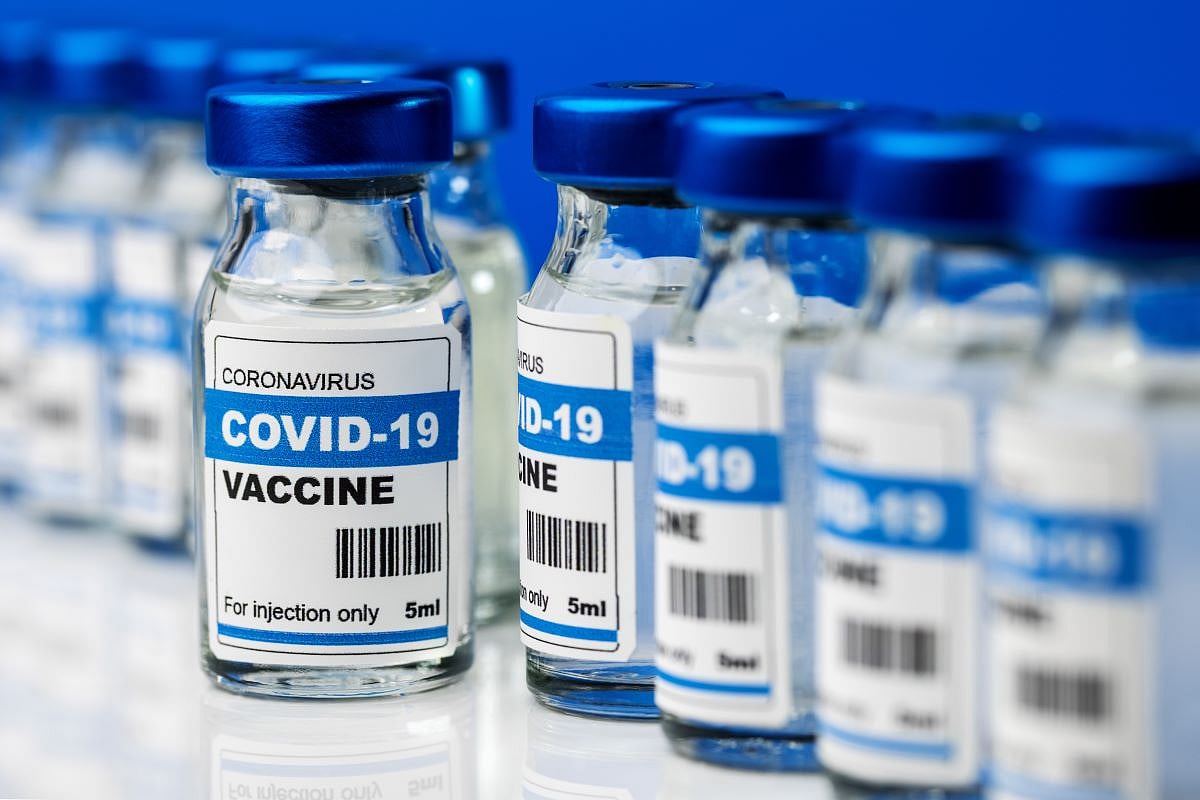
THURSDAY, Jan. 27, 2022 (HealthDay News) — Despite a low absolute risk, there is an increased relative risk for carditis associated with BNT162b2 (Pfizer-BioNTech) vaccination, particularly among men and adolescents, according to a study published online Jan. 25 in the Annals of Internal Medicine.
Francisco Tsz Tsun Lai, Ph.D., from University of Hong Kong, and colleagues examined the association of BNT162b2 and CoronaVac (Sinovac) vaccination with carditis. The analysis included 160 case patients (inpatients aged 12 years and older first diagnosed with carditis) and 1,533 matched inpatient controls.
The researchers found that the incidence of carditis for CoronaVac was 0.31 per 100,000 doses administered and 0.57 for BNT162b2. Recipients of the BNT162b2 vaccine had higher odds of carditis (adjusted odds ratio [OR], 3.57) than unvaccinated persons. The risk with the BNT162b2 vaccine was higher for males than females (ORs, 4.68 versus 2.22) and higher for adolescents than for adults (ORs,13.79 versus 2.41). For myocarditis, with BNT162b2, the OR was 9.29 (95 percent confidence interval, 3.94 to 21.91), but it was 1.06 (95 percent confidence interval, 0.35 to 3.22) for pericarditis. Risk for carditis was mainly seen after the second dose of BNT162b2. No similar increased carditis risk was seen with CoronaVac.
“Although the absolute risk is very low, this elevated risk should be made known to vaccine recipients and physicians and be weighed against the benefits of vaccination,” the authors write.
 Nearly 3 in 4 Older Adults Express Interest in Vaccine to Prevent Dementia
  Study IDs Risk Factors for Ketoacidosis in Adults With T2D Receiving SGLT2 Inhibitors
  Updated COVID-19 Shot Beneficial for Those With Autoimmune Rheumatic Disease
  Trends Reported in Vaccination Coverage for Adolescents for 2025
 .jpg) Considerable Gaps Reported in Care for Youth With Opioid Use Disorder
Considerable Gaps Reported in Care for Youth With Opioid Use Disorder  Nutritional Deficiencies Seen in Youth Taking GLP-1 Receptor Agonists
  Youth Suicide Risk Linked to Community Firearm Violence
  AAP Issues Recommendations for Pediatric RSV Vaccination in 2026-2027 Season


.jpg)

