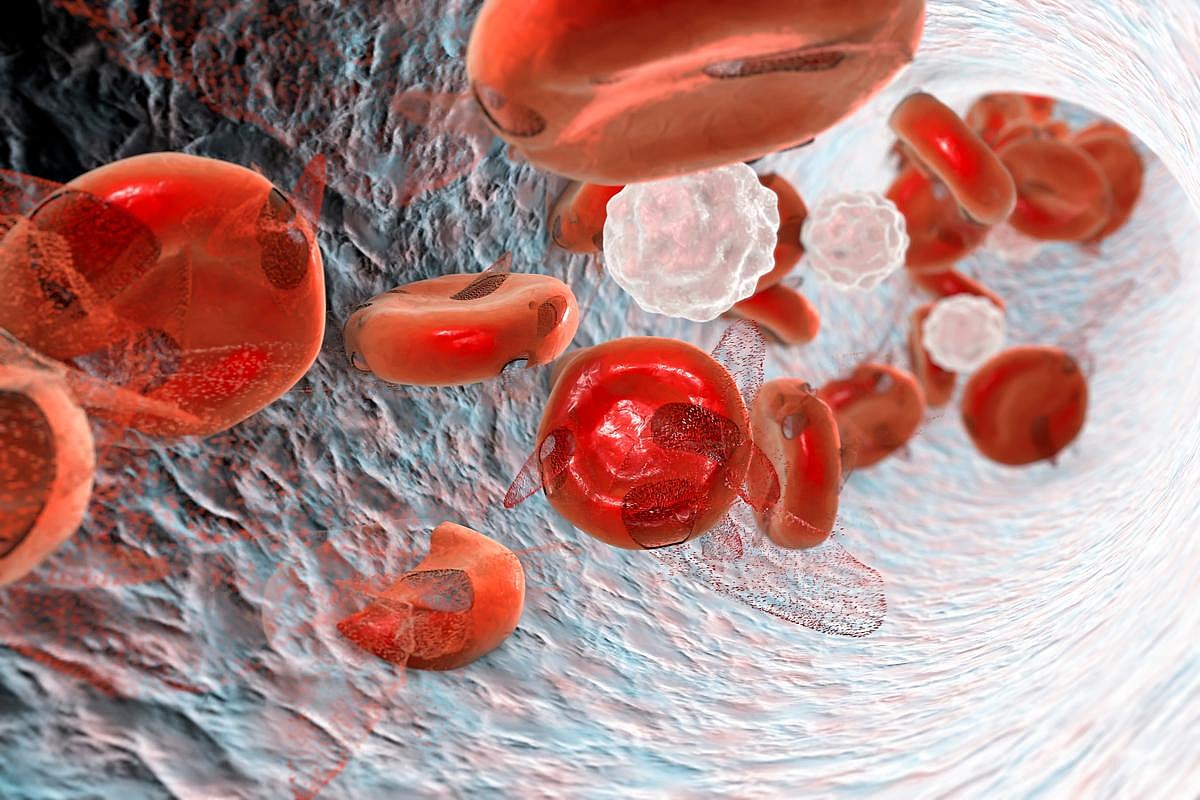
Antibody neutralizing titers against SARS-CoV-2 D614G pseudovirus increased by factor of 4 to 73 for all combinations
MONDAY, Feb. 7, 2022 (HealthDay News) — For adults who completed a primary COVID-19 vaccine regimen at least 12 weeks earlier, homologous and heterologous booster vaccines are immunogenic, according to a study published online Jan. 26 in the New England Journal of Medicine.
Robert L. Atmar, M.D., from the Baylor College of Medicine in Houston, and colleagues conducted a phase 1-2, open-label clinical trial at 10 U.S. sites involving 458 adults who had completed a COVID-19 vaccine regimen at least 12 weeks earlier, had no reported history of severe acute respiratory syndrome coronavirus 2 (SARS-CoV-2) infection, and received a booster dose with mRNA-1273, Ad26.COV2.S, or BNT162b2 (154, 150, and 153 participants, respectively; one participant did not receive the assigned vaccine).
The researchers found that reactogenicity was similar to that of the primary series. Injection-site pain, malaise, headache, or myalgia were reported by more than half the recipients. Antibody neutralizing titers against a SARS-CoV-2 D614G pseudovirus increased by a factor of 4 to 73 for all combinations; binding titers increased by a factor of 5 to 55. Neutralizing antibody titers increased by a factor of 4 to 20 with homologous boosters and by a factor of 6 to 73 with heterologous boosters. In all but the homologous Ad26.COV2.S-boosted subgroup, spike-specific T-cell responses increased. In the Ad26.COV2.S-primed recipients, CD8+ T-cell levels were more durable; spike-specific CD8+ T cells were increased substantially with heterologous boosting with the Ad26.COV2.S vaccine in mRNA vaccine-primed individuals.
“These data suggest that an immune response will be generated for each of these vaccines used as a booster regardless of the primary COVID-19 vaccination regimen,” the authors write.
Several authors disclosed financial ties to the pharmaceutical industry, including Pfizer, Moderna, and Johnson & Johnson.
 2005 to 2023 Saw More U.S. Women Never Screened for Cervical Cancer
  4CMenB Vaccine Confers Modest Protection Against Gonorrhea in Teens
  AAP Releases Influenza Vaccine Recommendations for All Children 6 Months and Older
  Most U.S. Adults Unsure Which Vaccines CDC Recommends During Pregnancy
 .jpg) Pregnancy Complications Rare for Women Receiving CAR T-Cell Therapy
Pregnancy Complications Rare for Women Receiving CAR T-Cell Therapy  Higher Parental Vitamin B12 Tied to Lower Prevalence of Birth Defects
  Adenotonsillectomy Tied to Increase in Respiratory Tract Infections in Children
  Paternal Exposure to Valproate Not Linked to Offspring Neurodevelopmental Disorders