99 percent of those with confirmed infection had anti-RBD antibodies versus 55 percent of those with unconfirmed infection
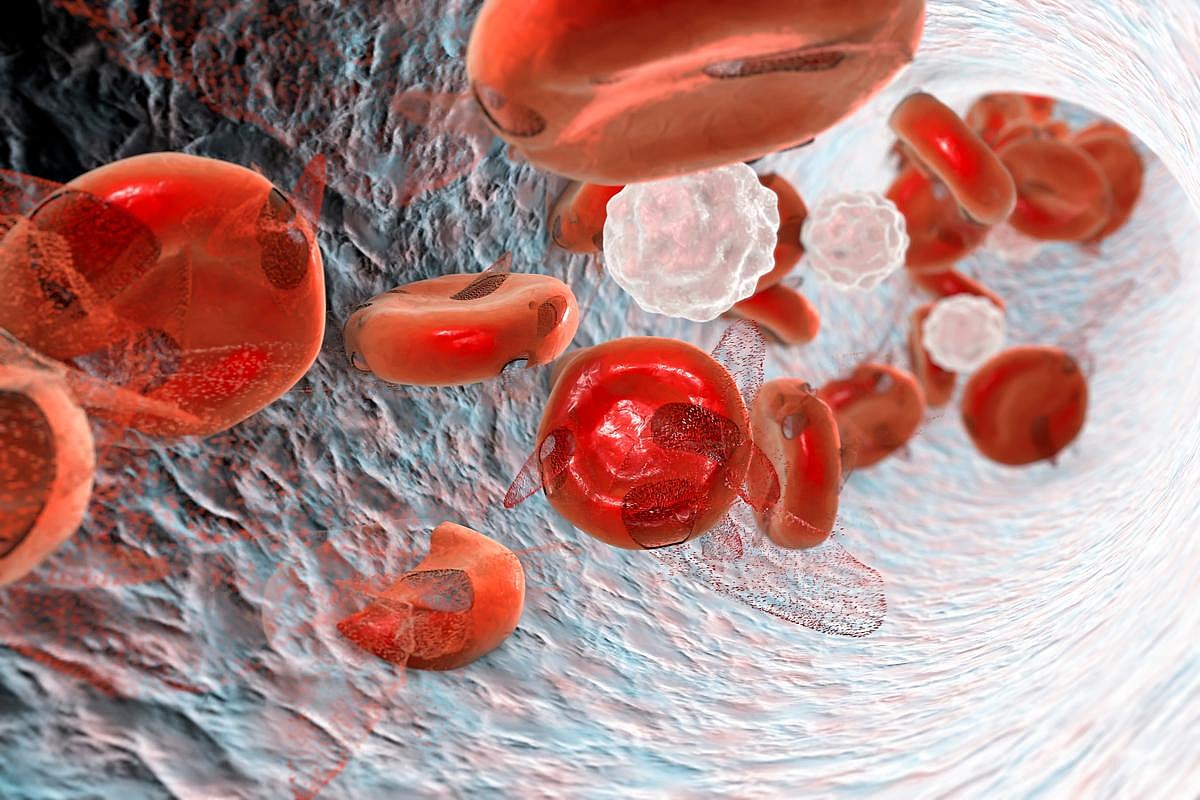
MONDAY, Feb. 7, 2022 (HealthDay News) — Anti-receptor binding domain (RBD) antibodies are detected in 99 percent of unvaccinated individuals who reported confirmed COVID-19 infection up to 20 months after infection, according to a research letter published online Feb. 3 in the Journal of the American Medical Association.
Jennifer L. Alejo, M.D., from the Johns Hopkins University School of Medicine in Baltimore, and colleagues recruited healthy adults who reported no severe acute respiratory syndrome coronavirus 2 vaccination. Three equally sized sample groups were created: those who reported a test-confirmed COVID-19 infection, those who believed they had COVID-19 but were never tested, and those who did not believe they ever had COVID-19 and never tested positive (COVID-19-confirmed [295 participants], COVID-19-unconfirmed [275 participants], and no-COVID-19 [246 participants]). The groups underwent antibody testing.
The researchers found that 99 percent of the COVID-19-confirmed participants tested positive for anti-RBD antibodies. The median anti-RBD level was 205 U/mL at a median 8.7 months (range, 0 to 20 months) since reported COVD-19 diagnosis. No evidence of an association was seen between time after infection and antibody titer. Fifty-five percent of the COVID-19-unconfirmed group tested positive for anti-RBD antibodies, with a median level of 131 U/mL. Eleven percent of the reported no-COVID-19 participants tested positive for anti-RBD antibodies, with a median level of 82 U/mL.
“Although evidence of natural immunity in unvaccinated healthy U.S. adults up to 20 months after confirmed COVID-19 infection is encouraging, it is unclear how these antibody levels correlate with protection against future SARS-CoV-2 infections, particularly with emerging variants,” the authors write.
One author disclosed financial ties to the pharmaceutical industry.
 ~16 Percent of COVID Cases Develop Postacute Sequelae of SARS-CoV-2
  Parts of the World Seeing New COVID-19 Variant
  HHS, NIH Unveil Vaccine Initiative to Protect Against Future Pandemics
  Hospital-Onset SARS-CoV-2 Infection During Omicron Linked to Morbidity
  Staffing, Scheduling, and Wage Changes Could Reattract Nurses Back to Hospitals
  Skilled Nursing Facility Capacity Declined Between 2019 and 2024
  Physical Design of Critical Care Units Influences Nursing Culture
  Low Capability Pediatric Hospitals More Than Doubled From 2003 to 2022