


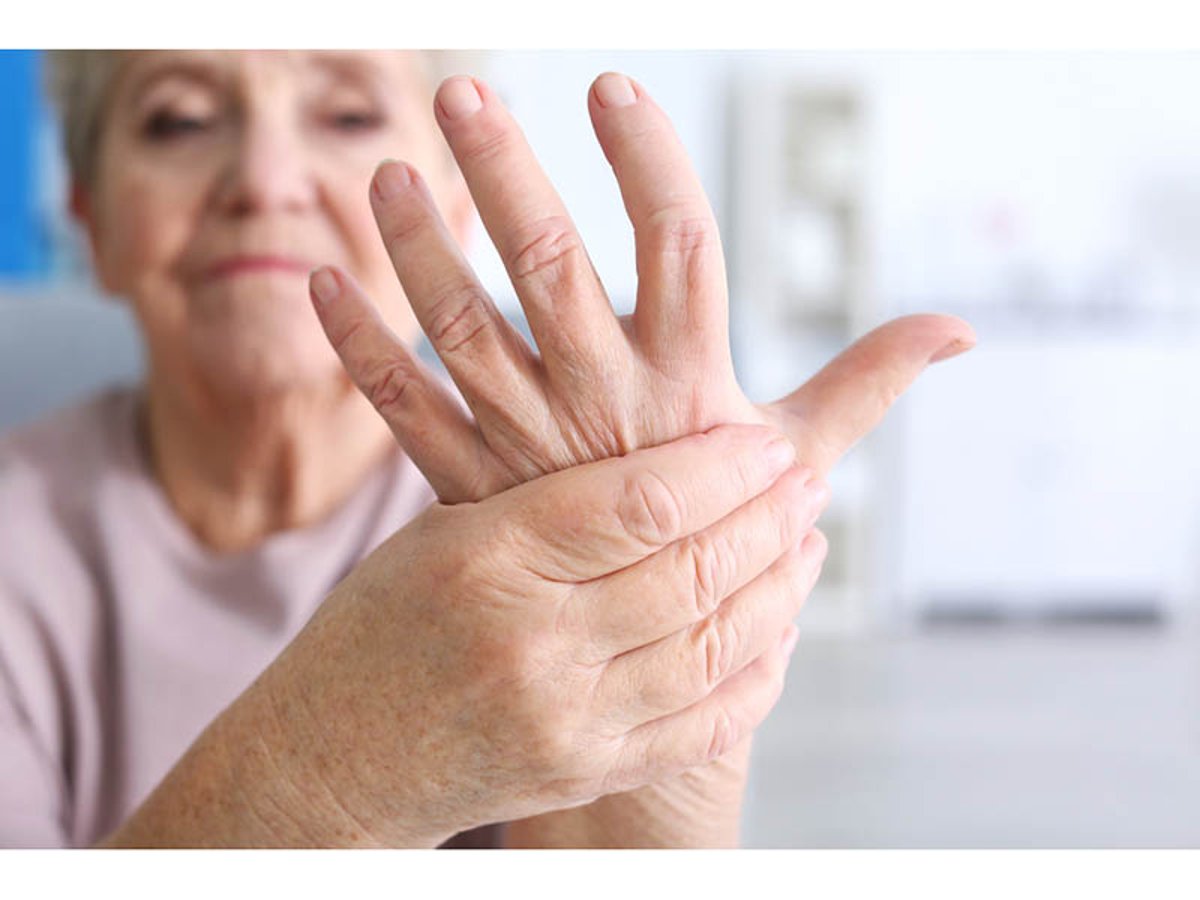
Higher body mass index linked to greater severity of pain in hands, feet, knees/hips
TUESDAY, Feb. 22, 2022 (HealthDay News) — Among patients with hand osteoarthritis, higher body mass index (BMI) is associated with greater pain severity not just in the hands, but also in the feet, knees, and hips, according to a study published online Feb. 9 in Arthritis & Rheumatology.
Marthe Gløersen, M.D., from the University of Oslo in Norway, and colleagues examined the association between BMI and pain in 281 people with hand osteoarthritis. The Australian/Canadian Osteoarthritis Hand Index (AUSCAN), the Numerical Rating Scale (NRS), and the Western Ontario/McMaster Universities Osteoarthritis Index (WOMAC) were used to measure hand, foot, and knee/hip pain, respectively.
The researchers found that each 5-unit increase in BMI was associated with more severe hand pain (on average increased AUSCAN by 0.64; 95 percent confidence interval, 0.23 to 1.08), foot pain (on average increased NRS by 0.65; 95 percent confidence interval, 0.36 to 0.92), knee/hip pain (on average increased WOMAC by 1.31; 95 percent confidence interval, 0.87 to 1.73), and generalized pain and sensitization. The BMI effects on hand pain and painful total body joint count appeared to be partially mediated by leptin and high-sensitivity C-reactive protein, respectively.
“Our results highlight the complexity of pain in hand osteoarthritis,” Gløersen said in a statement. “Obesity is not only leading to pain through increased loading of joints in the lower extremities, but seems to have systemic effects leading to pain in the hands and overall body.”
Abstract/Full Text (subscription or payment may be required)
 Study Looks at Approaches to Prescribing Obesity Medications for Older Adults
 Obesity Linked to Early-Onset Cancer Risk in Young Adults
 Very Low-Carb Diet Shows Greater Cardiometabolic Benefits Than Other Diets
.jpg) Time-Restricted Eating May Help Patients With Type 1 Diabetes
 Weight-Loss Surgery Produces Lasting Diabetes Remission
 Spinal Cord Stimulation Cuts Pain, Improves Sensation With Diabetic Nerve Damage
 GLP-1 Receptor Agonists Tied to Increased Risk for Alopecia
 Food-Based Support Aids Type 2 Diabetes Outcomes




