


Compared with younger patients, CPAP treatment less effective for adults age 80 years and older with moderate-to-severe sleep apnea
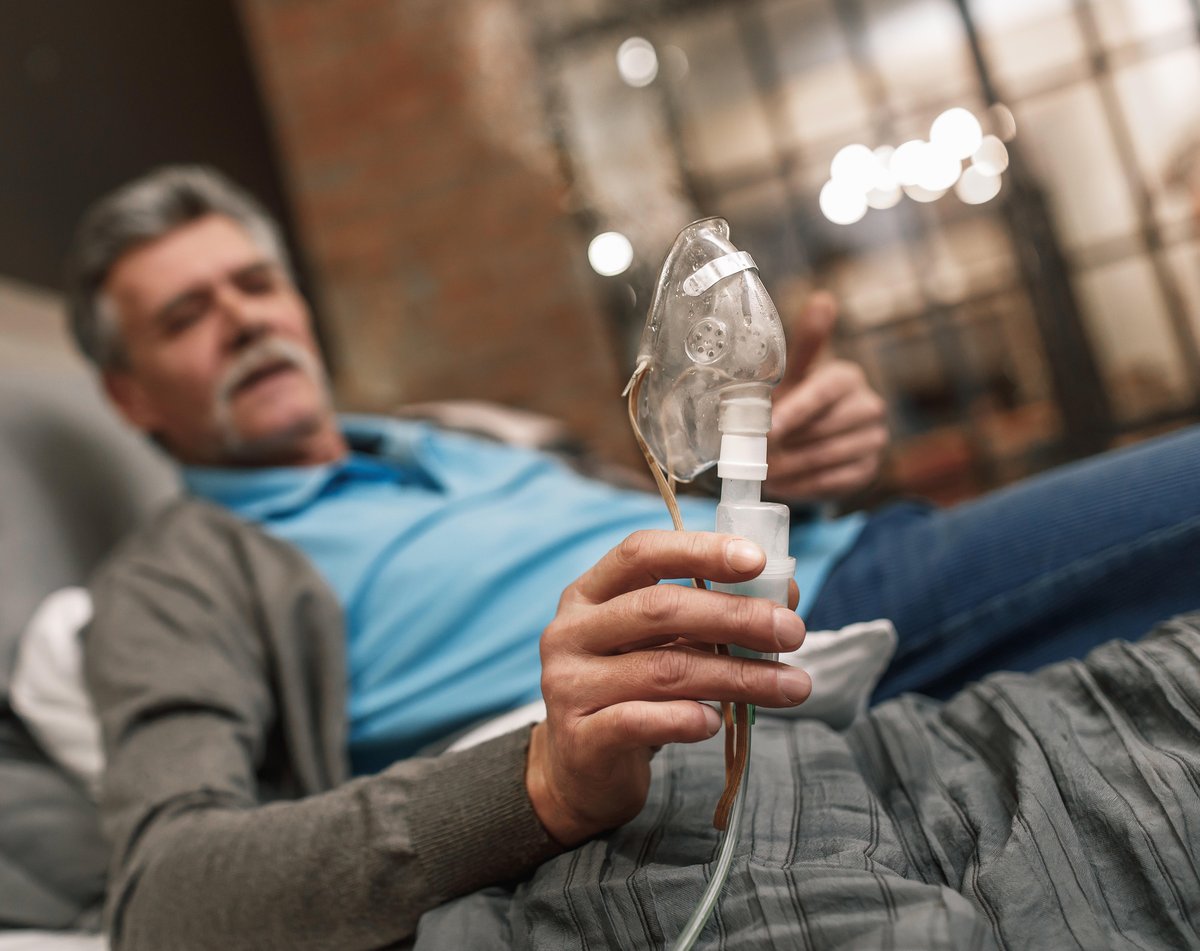
FRIDAY, Feb. 25, 2022 (HealthDay News) — Continuous positive airway pressure (CPAP) treatment may not benefit very elderly individuals with obstructive sleep apnea (OSA), according to a study published in the January issue of Sleep Medicine.
Miguel Angel Martinez-Garcia, Ph.D., M.D., from the Hospital Universitario y Politecnico La Fe in Valencia, Spain, and colleagues assessed the effect of CPAP on a clinical cohort of 97 elderly patients (aged 80 years or older) with OSA. Individuals were randomly assigned to CPAP (47 patients) or not (50 patients).
The researchers found that the average use of CPAP was 4.3 hours/night (53 percent with good adherence). There were significant improvements among patients in the CPAP group for snoring, witnessed apneas, and the apnea-hypopnea index (from 41.9 to 4.9 events/hour). There were no clinical improvements in the Epworth Sleepiness scale, any domain of the Quebec Sleep Questionnaire, any neurocognitive test, OSA-related symptoms, depression/anxiety, or blood pressure levels.
“Our findings suggest that CPAP treatment is not as effective in patients over 80 years of age with OSA when compared to younger patients,” a coauthor said in a statement. “Considering the growing population of elderly patients that is being referred for sleep consultation, large clinical trials are urgently needed to try to solve key questions related to the use of CPAP in patients over the age of 75 or 80.”
Abstract/Full Text (subscription or payment may be required)
 Lower Cognitive Functioning During 60s Linked to Subsequent Stroke Risk
  Nearly 1 in 10 Older Adults Used Cannabis in the Past Year
  Polypharmacy of Prescription Medications Increased for U.S. Older Adults
  Lower Vertebral Bone Mineral Density Linked to Cognitive Decline
  Age-, Joint-Specific Ultrasound Reference Values Set for Healthy Joints
  Pharmacist-Led Med Review Improves Medication Quality in Older Patients With Cancer
  Myeloma Risk Modestly Increased in Adults With Incidentally Detected Vertebral Fracture
  Nearly 3 in 4 Older Adults Express Interest in Vaccine to Prevent Dementia
 .jpg)




