


PMâ‚‚.â‚… level increases with smoking in the home, decays gradually after smoking stops, and remains elevated indoors 12 hours later
WEDNESDAY, April 6, 2022 (HealthDay News) — In-home social cannabis bong smoking is associated with markedly increased levels of fine particulate matter in indoor air, according to a research letter published online March 30 in JAMA Network Open.
Patton Khuu Nguyen and S. Katharine Hammond, Ph.D., both from University of California at Berkeley, measured fine particulate matter (PMâ‚‚.â‚…) levels from social bong smoking to quantify secondhand cannabis smoke (SHCS) levels from cannabis smoking in the home. Measurements were taken before, during, and after eight cannabis social-smoking sessions in a living room.
The researchers found that home cannabis bong smoking significantly increased PM₂.₅ from index levels (conditions existing before the smoking began) in all sessions by 100-fold to 1,000-fold for six of the eight sessions. Two sessions had high levels to start with, but PM₂.₅ significantly increased more than 20-fold (P < 0.001 for all sessions). Mean PM₂.₅ after 15 minutes of smoking (570 μg/m3) was more than twice the U.S. Environmental Protection Agency hazardous air quality threshold (>250 μg/m3). During smoking, the concentration increased to a mean of 1,300 μg/m3. Half an hour after smoking ceased, mean concentration declined to 78 percent of peak and reached 31 percent after 110 minutes. Twelve hours after smoking stopped, PM₂.₅ remained elevated at 50 μg/m3, more than 10 times the background concentration. Compared with cigarette or tobacco hookah (waterpipe) smoking, cannabis bong smoking in the home generated four times greater PM₂.₅ concentrations.
“This study’s findings suggest SHCS in the home is not safe and that public perceptions of SHCS safety must be addressed,” the authors write.
 Air Pollution Does Not Impair Benefits of Walking in Reducing COPD Exacerbation Rate
 Nearly 1 in 10 Older Adults Used Cannabis in the Past Year
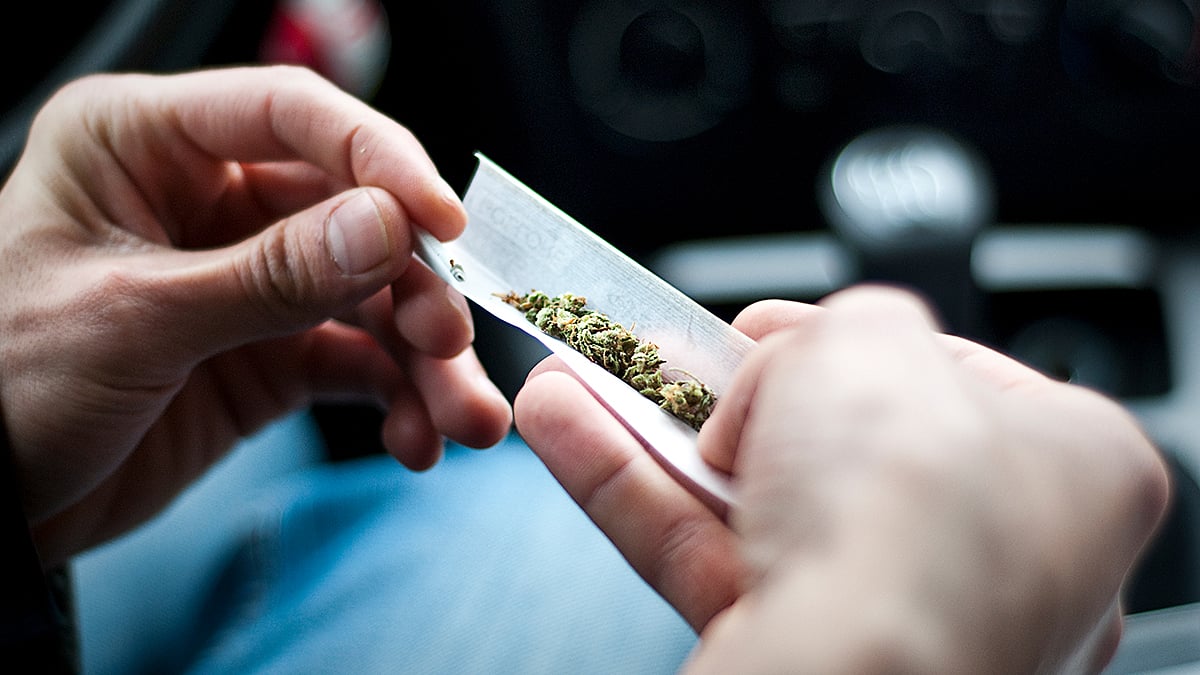 2016 to 2024 Saw Increase in Patients Using Medical Cannabis
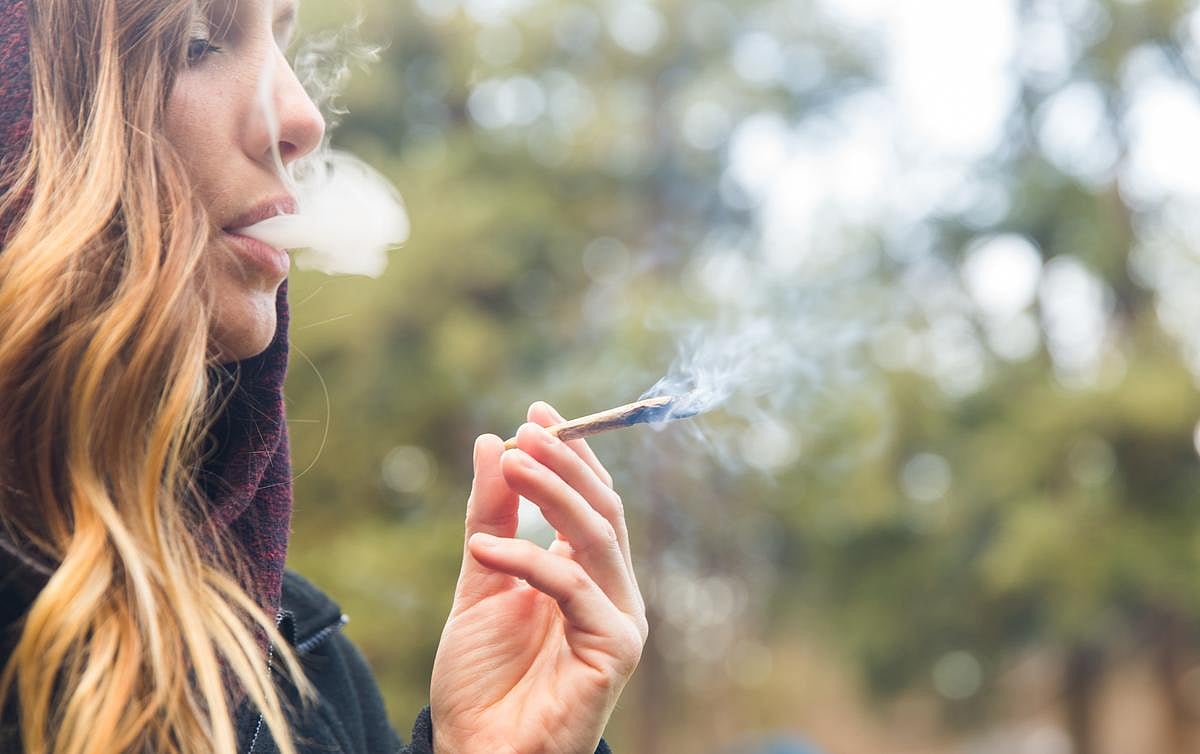 Frequent Cannabis Use Linked to Epilepsy Severity
 Drug Interactions Reducing Contraceptive Effectiveness Common in Epilepsy
 PET/MRI Offers Diagnostic, Prognostic Value in Pediatric Epilepsy
 Therapies Compared for Newly Diagnosed Multiple Sclerosis
 Initial Rx Length Tied to Long-Term Use of Z-Drugs


.jpg)

