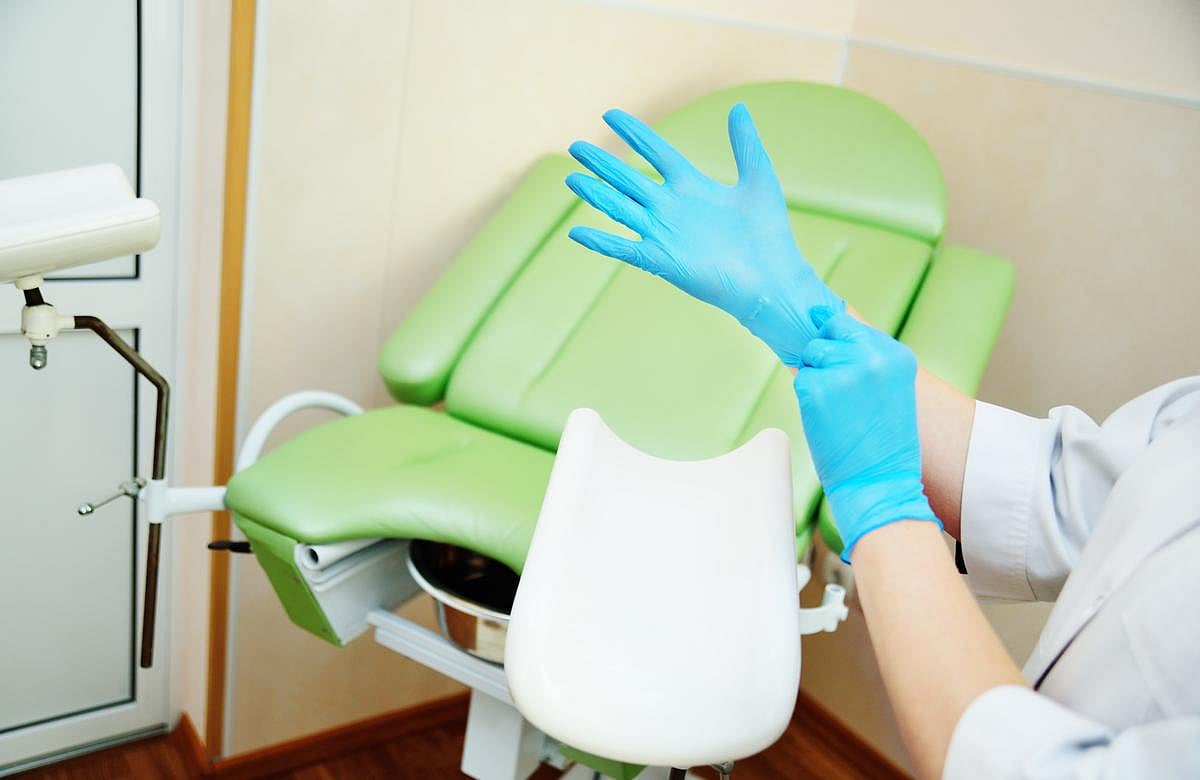
HCP cases were more likely to report health care exposures, less likely to report household/community exposures
THURSDAY, April 14, 2022 (HealthDay News) — Health care personnel (HCP) with COVID-19 were more likely to be exposed to severe acute respiratory syndrome coronavirus 2 (SARS-CoV-2) in their workplace than in the community, according to a study published online April 14 in the American Journal of Infection Control.
Rachael M. Billock, Ph.D., from the U.S. Centers for Disease Control and Prevention COVID-19 Response Team in Cincinnati, and colleagues examined exposure settings among HCP COVID-19 cases in the United States from March 2020 to March 2021 with reported exposures (83,775 cases). Separate models were used to estimate adjusted prevalence ratios (aPRs) among 65,650 cases identified before initiation of COVID-19 vaccination programs.
The researchers found that the most reported exposures were health care-associated, followed by household and community (52.0, 30.8, and 25.6 percent, respectively). Similar temporal trends were seen for health care exposures and community COVID-19 incidence. Under the highest versus the lowest community incidence levels, HCP cases were more likely to report health care exposures (aPR, 1.31) and were less likely to report household and/or community exposures (aPR, 0.73) in adjusted analyses.
“Our findings suggest that, particularly during periods of high community incidence of COVID-19, HCP exposures occur both at the workplace and outside of it, with the workplace being a major driver of infections,” Billock said in a statement. “These results emphasize the continued need for improved infection prevention and control measures in occupational settings, as well as the need for improved surveillance to identify and reduce occupational exposures to SARS-CoV-2 among HCPs and all workers.”
 Considerable Global Disparities Found in Access to Dermatological Care
  Factors Identified in Disparities of Response to Patient Messages
  Physical Exams May Not Reliably Diagnose Pediatric Pneumonia
  Small Change in Hours Benefits Emergency Physicians Working Night Shifts
  Emergency Diagnosis Linked to Worse Outcomes for Range of Conditions
  ED Boarding Time Varies Considerably Across Hospitals
 .jpg) Warning Symptoms, Clinical History Can Predict Sudden Cardiac Arrest
Warning Symptoms, Clinical History Can Predict Sudden Cardiac Arrest  Protocol IDs Patients Who Can Be Treated While Seated in the ED