


Similar proportion of parents report a problem with their child’s diet
MONDAY, April 18, 2022 (HealthDay News) — Half of parents report their child regularly has dietary supplements, according to the results of a survey released by the C.S. Mott Children’s Hospital National Poll on Children’s Health.
Sarah J. Clark, M.P.H., and colleagues from the C.S. Mott Children’s Hospital National Poll on Children’s Health at University of Michigan in Ann Arbor conducted a survey of 1,251 households with at least one child (ages 1 to 10 years) in October 2021.
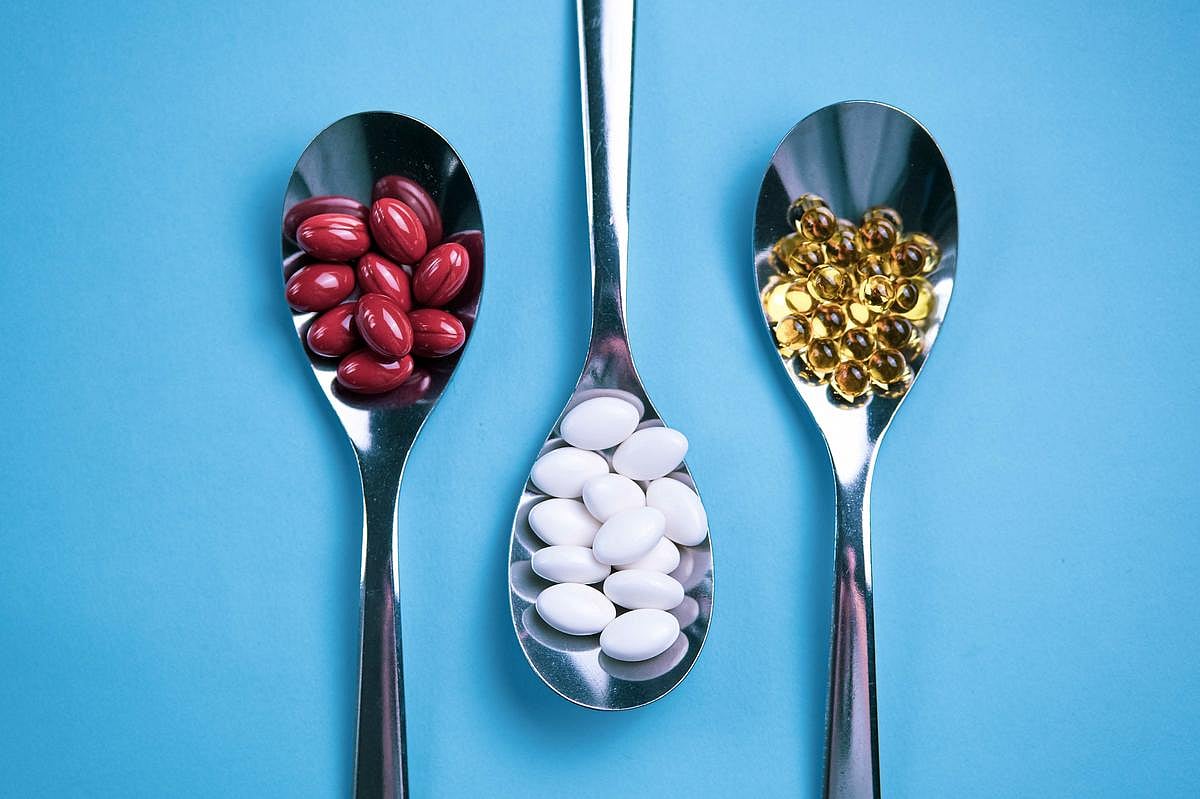
According to the results of the poll, three in five parents say it is hard to get their child to eat a well-balanced diet, with roughly one-third saying their child is a picky eater (35 percent) or does not eat enough fruits and vegetables (31 percent). Just over half of parents (52 percent) say their child regularly takes a supplement, including multivitamins (78 percent), probiotics (45 percent), omega 3 (22 percent), or specific vitamins (44 percent) or minerals (25 percent). Regular supplement use is more common in higher-income households. Less than half of those using supplements (43 percent) say they discussed use with their child’s health care provider.
“Providers should be diligent about discussing nutrition with families so they understand what a healthy diet should include and are using supplements appropriately,” Clark said in a statement. “In situations where families can’t afford to provide a healthy diet, providers may direct parents to social service programs that can help.”
 1 in 3 With Lupus Take Supplements, Medications With Potential for Interactions
  2009 to 2023 Saw Surge in Probiotic Supplement Use
  Higher Parental Vitamin B12 Tied to Lower Prevalence of Birth Defects
  High-Dose Omega-3 Linked to A-Fib Risk in Patients With High CVD Risk
  Retinal Imaging Can ID Atrial Fibrillation Years Before Diagnosis
  NOACs Linked to Slower Cognitive Decline in Patients With A-Fib, Alzheimer Disease
  Central Adiposity Reclassifies Cardiovascular Risk Across BMI Spectrum
  Physical Activity Reduces Stroke, Mortality, Regardless of A-Fib



.jpg)