
Guideline revised to synthesize current best practices in the management of Barrett esophagus
FRIDAY, April 22, 2022 (HealthDay News) — In a new American College of Gastroenterology guideline, published in the April issue of the American Journal of Gastroenterology, screening methods have been broadened and guidance has been updated on intervals and techniques of surveillance for patients with Barrett esophagus (BE).
Nicholas J. Shaheen, M.D., M.P.H., from the University of North Carolina at Chapel Hill, and colleagues developed updated guidelines for the diagnosis and management of BE.
The authors recommend that dysplasia of any grade detected on BE biopsies be confirmed by a second pathologist who has expertise in gastrointestinal pathology. Acceptable screening modalities for BE now include nonendoscopic methods. Both white light endoscopy and chromoendoscopy are recommended in patients undergoing endoscopic surveillance of BE. Length of BE segment should be considered when assigning surveillance intervals, with longer intervals reserved for those with BE segments <3 cm. Endoscopic eradication therapy is recommended in patients with BE with high-grade dysplasia or intramucosal cancer. For patients with BE who have completed successful endoscopic eradication therapy, an endoscopic surveillance program is recommended.
“This revised guideline synthesizes current best practices in the management of BE, with several key changes since the last iteration that reflect our evolving knowledge base,” the authors write.
Several authors disclosed financial ties to the biopharmaceutical industry.
 Couples" Coping Skills Help Reduce Depression in GI Cancer Survivors
  Second Annual National Cancer Database Report Presented for 2022
  Long-Term Proton Pump Inhibitor Use Not Linked to Gastric Adenocarcinoma
  Physical Activity Levels Linked to Risk for Digestive System Cancers
  Surveillance Colonoscopy at Five Years After Adenoma Removal Noninferior to Three Years
 .jpg) Composite Biomarker Helps ID Early-Stage Pancreatic Ductal Adenocarcinoma
Composite Biomarker Helps ID Early-Stage Pancreatic Ductal Adenocarcinoma  Family History of CRC Increases CRC Risk Similarly in IBD, General Population
 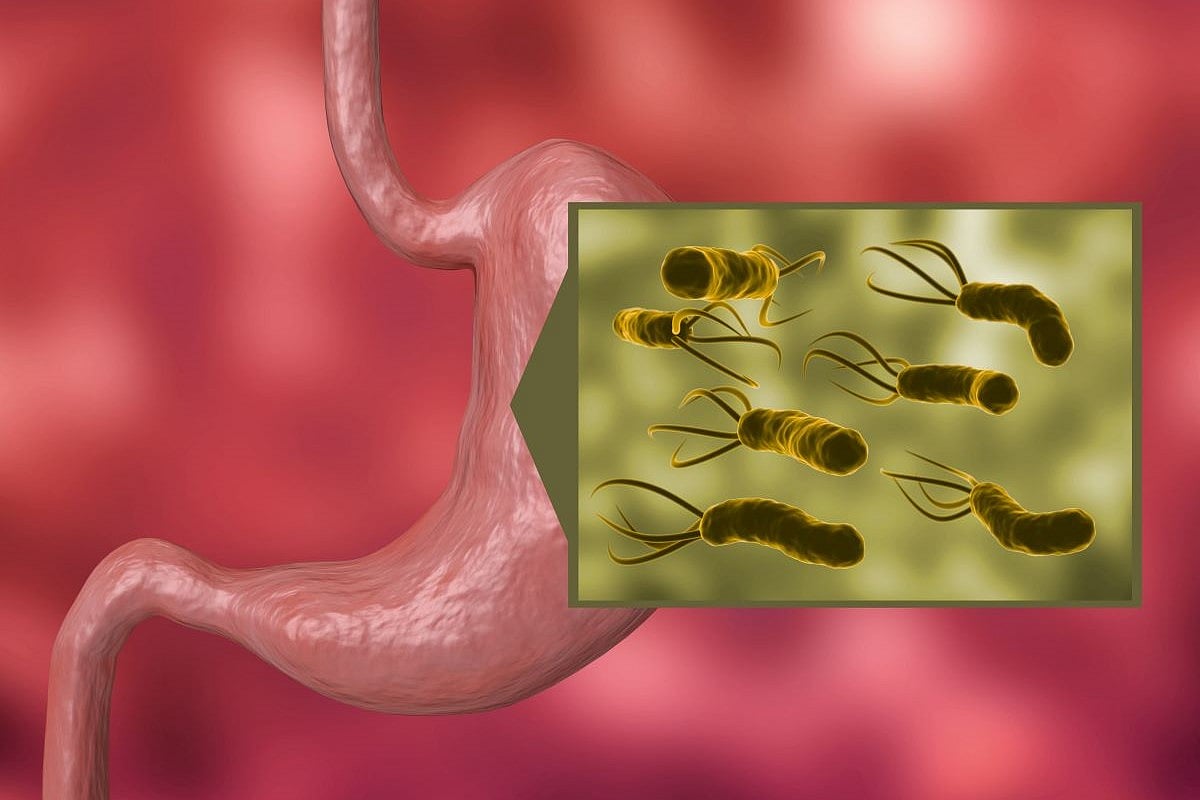 H. Pylori Exposure May Contribute to Global Burden of Colorectal Cancer


.jpg)