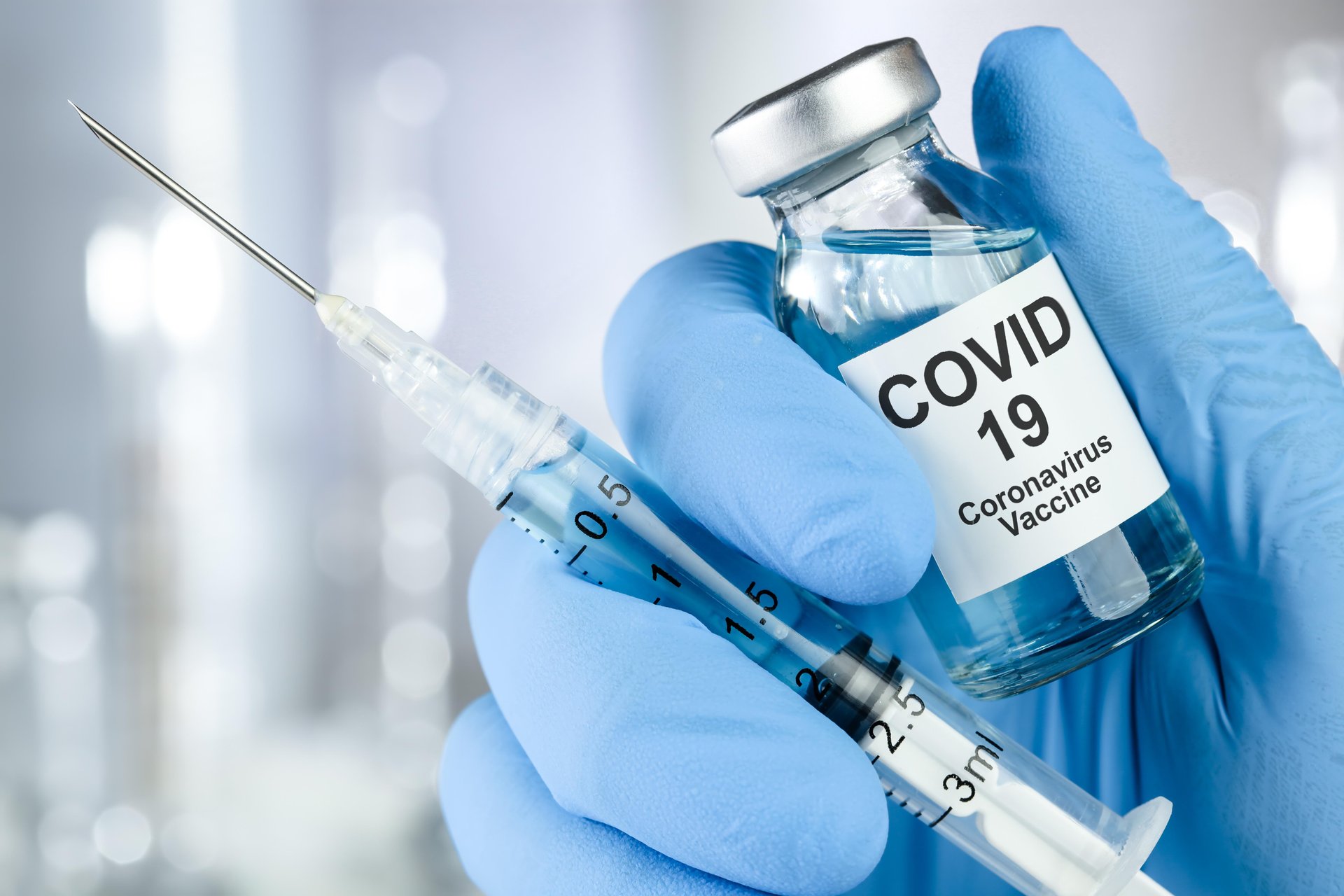
Axillary lymphadenopathy more likely within 14 days after vaccination; persistent axillary lymphadenopathy seen up to 43 weeks later
THURSDAY, April 28, 2022 (HealthDay News) — Axillary lymphadenopathy, a common adverse effect of COVID-19 vaccination, is seen in 44 percent of patients undergoing breast imaging after vaccination, according to a study published in the May issue of Radiology.
Stacey Wolfson, M.D., from the New York University Grossman School of Medicine in New York City, and colleagues examined the outcomes of axillary lymphadenopathy among patients who received the COVID-19 vaccine and underwent breast imaging between Dec. 30, 2020, and April 12, 2021.
The researchers found that 44 percent of the 1,217 patients who received the COVID-19 vaccine and underwent breast imaging had lymphadenopathy during at least one imaging examination. The average node measured 1.8 cm among patients with lymphadenopathy. Lymphadenopathy was more likely to be seen within 14 days after vaccination, while at 50 days following the second dose, it was rare. Forty-three patients (8 percent) underwent biopsy: 79 and 21 percent had benign and malignant results (34 and nine patients, respectively). There were 407 follow-up examinations in 387 patients (72 percent) with lymphadenopathy. At follow-up examination averaging 15.7 weeks after initial examination, 79.4 percent of studies demonstrated reduced lymph node size and were considered benign. Stable findings were reported in 20.6 percent; these were assessed as probably benign with recommendation for further follow-up. No patients in the follow-up group were diagnosed with a subsequent malignancy. Up to 43 weeks after vaccination, persistent axillary lymphadenopathy was observed.
“There should be no delay in screening mammograms due to recent vaccination and there is variable time to resolution of reactive lymphadenopathy,” the authors write.
 2005 to 2023 Saw More U.S. Women Never Screened for Cervical Cancer
  4CMenB Vaccine Confers Modest Protection Against Gonorrhea in Teens
  AAP Releases Influenza Vaccine Recommendations for All Children 6 Months and Older
  Most U.S. Adults Unsure Which Vaccines CDC Recommends During Pregnancy
  Higher Parental Vitamin B12 Tied to Lower Prevalence of Birth Defects
  Adenotonsillectomy Tied to Increase in Respiratory Tract Infections in Children
  Paternal Exposure to Valproate Not Linked to Offspring Neurodevelopmental Disorders
  Dose-Dependent Link Seen for Clomiphene Citrate, Adverse Perinatal Outcomes