
Statin use linked to reduced risk for major adverse cardiovascular events in individuals with nonobstructive coronary artery disease
MONDAY, May 2, 2022 (HealthDay News) — For individuals with nonobstructive coronary artery disease (CAD), aspirin use is not associated with a reduced risk for major adverse cardiovascular events (MACE), according to a study published in the April issue of Radiology: Cardiothoracic Imaging.
Praveen Indraratna, M.B.B.S., from the University of British Columbia in Vancouver, Canada, and colleagues conducted a prospective cohort study involving 6,386 participants who underwent coronary computed tomography angiography and were classified as having no detectable coronary plaque or having nonobstructive CAD (1 to 49 percent stenosis). Participants were followed for a mean of 5.66 ± 1.10 years.
The researchers found that compared with those without CAD, participants with nonobstructive CAD had an increased risk for all-cause mortality (10.6 versus 4.8 percent). For participants with nonobstructive CAD, there was no significant association for baseline aspirin use with a reduction in the risk for MACE, all-cause mortality, or myocardial infarction. The rate of MACE was significantly lower in association with baseline statin use in a multivariate analysis (hazard ratio, 0.59). For participants with no detectable plaque, neither therapy improved clinical outcomes.
“Ultimately, further research is required to determine whether, and at what threshold, clinicians should consider prescribing aspirin for patients upon the identification of nonobstructive coronary artery disease on coronary computed tomography angiography,” a coauthor said in a statement.
Several authors disclosed financial ties to the medical device and health care industries.
 Addition of CAC to PREVENT-ASCVD Equations May Improve Predictive Utility in Certain Patients
 .jpg) Warning Symptoms, Clinical History Can Predict Sudden Cardiac Arrest
Warning Symptoms, Clinical History Can Predict Sudden Cardiac Arrest .jpg) Micro-, Nanoplastics Detected More Often in Patients With STEMI
Micro-, Nanoplastics Detected More Often in Patients With STEMI 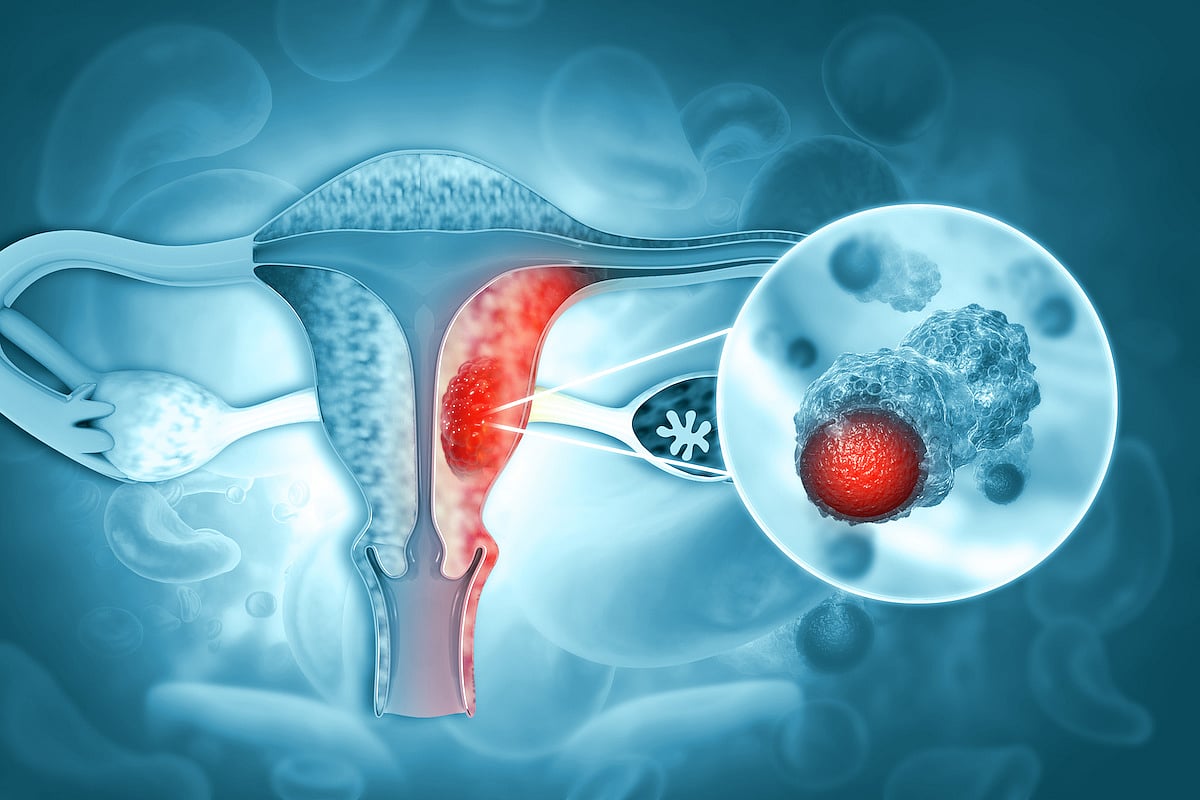 Catheter-Based OCT May Help ID Early Endometrial Cancer
  Wearable Ultrasound Patch Provides Continuous Fetal Monitoring
  Volume Rendering of Myocardium, Cardiac Valves Enables Visualization
  Non-Children"s Hospitals More Commonly Use Imaging Exposing Children to Ionizing Radiation
  Medical Imaging Contrast Media Contribute to Environmental Pollution