


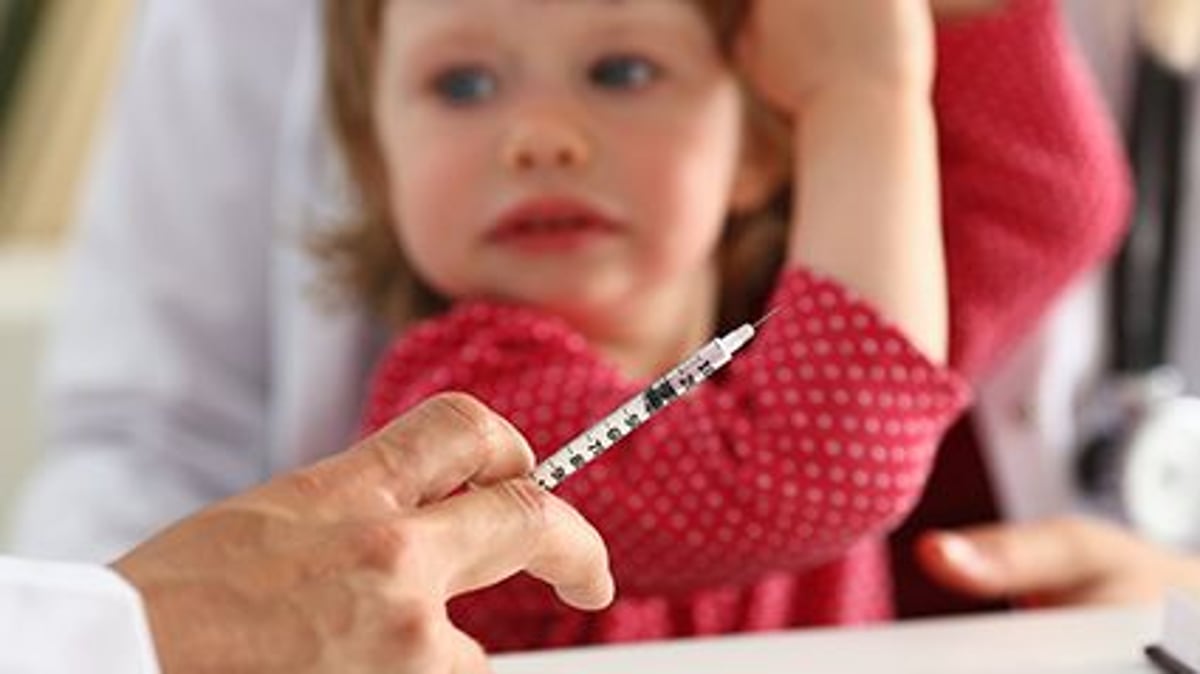
Children younger than 5 years are the only age group in the United States not eligible for COVID-19 vaccination
THURSDAY, June 2, 2022 (HealthDay News) — Pfizer Inc. said Wednesday that it has asked the U.S. Food and Drug Administration to approve the emergency use of its COVID-19 vaccine in children younger than the age of 5 years.
The company said in a statement that it has provided the agency with data from a phase 2/3 trial that included almost 1,700 children who received a third dose of the vaccine when omicron was the dominant variant.
The trial showed that the vaccine triggers a strong immune response and is safe. A month after the third dose, antibody levels in the children were similar to those seen in 16- to 25-year-olds after two doses, according to the company. At midtrial, the vaccine was 80.3 percent effective in preventing symptomatic COVID-19. The findings were released May 23, but they have not yet been peer-reviewed or published in a medical journal.
The children in the trial received three 3-mcg doses, with the first two doses given three weeks apart= and the third dose given at least two months after the second dose. The doses for children ages 6 months to 5 years are smaller than those in older groups. Children ages 5 to 12 years receive two doses of a 10-mcg vaccine, and people 12 years and older are given two doses of a 30-mcg vaccine. Both groups are eligible for booster doses, CNN reported.
Children younger than 5 years are the only age group in the United States not eligible for COVID-19 vaccination. In late April, Moderna provided the FDA with trial data on the use of its COVID-19 vaccine in children ages 6 months to 5 years. An FDA panel of vaccine experts is set to meet on June 15 to discuss both the Moderna and Pfizer requests for the emergency use of COVID-19 vaccines among these younger children.
 Nearly 3 in 4 Older Adults Express Interest in Vaccine to Prevent Dementia
  Updated COVID-19 Shot Beneficial for Those With Autoimmune Rheumatic Disease
  AAP Issues Recommendations for Pediatric RSV Vaccination in 2026-2027 Season
  Trends Reported in Vaccination Coverage for Adolescents for 2025
 .jpg) Considerable Gaps Reported in Care for Youth With Opioid Use Disorder
Considerable Gaps Reported in Care for Youth With Opioid Use Disorder  Nutritional Deficiencies Seen in Youth Taking GLP-1 Receptor Agonists
  Youth Suicide Risk Linked to Community Firearm Violence
  Social Media Warnings Could Discourage Use Among Teens, Young Adults


.jpg)

