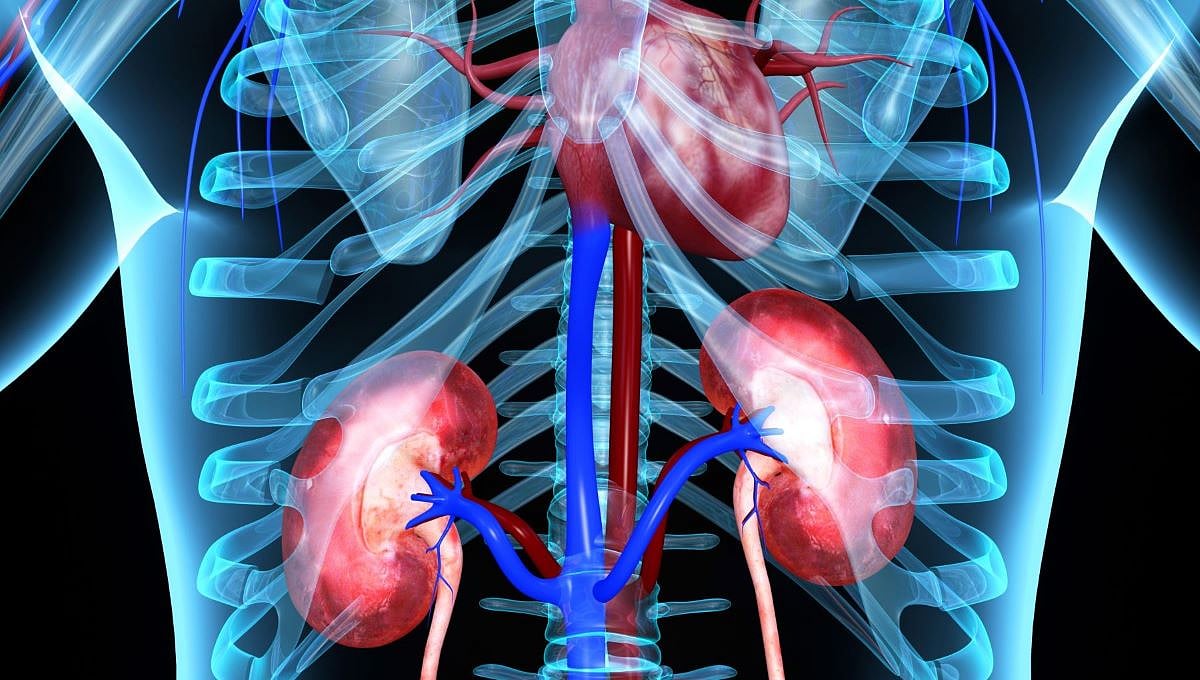
Mean interpretation times were 22.1 percent shorter in the artificial-intelligence versus non-AI arms
MONDAY, June 27, 2022 (HealthDay News) — Integration of an automated artificial intelligence (AI) support platform into clinical workflow can reduce the time for radiologist interpretation of chest computed tomography (CT) scans, according to a study published online June 15 in the American Journal of Roentgenology.
Basel Yacoub, M.D., from the Medical University of South Carolina in Charleston, and colleagues examined the impact of an automated AI platform, which provided automated analysis of cardiac, pulmonary, and musculoskeletal findings, integrated into clinical workflow on radiologists’ chest CT interpretation times in a real-world clinical setting. The cohort included 390 patients who underwent outpatient chest CT between Jan. 19 and 28, 2021. Scans were randomly assigned to AI-assisted and non-AI arms and were interpreted by one of three cardiothoracic radiologists.
The researchers found that for all three readers and for the readers combined, the mean interpretation times were significantly shorter in the AI-assisted versus non-AI arm. The mean difference was 93 seconds for readers combined, representing a reduction of 22.1 percent in the AI-assisted arm. Compared with the non-AI arm, the AI-assisted arm had shorter mean interpretation time for contrast-enhanced scans, noncontrast scans, negative scans, positive scans without significant new findings, and positive scans with significant new findings (83, 104, 84, 117, and 92 seconds, respectively).
“The platform’s integration into clinical workflow resulted in a mean reduction in interpretation times of 22.1 percent among three cardiothoracic radiologists for whom the AI results were made available,” the authors write. “The findings support the impact of an automated AI platform on radiologist efficiency.”
Several authors were employed by Siemens.
Abstract/Full Text (subscription or payment may be required)
 PECARN Prediction Rules for CT Imaging Show High Accuracy
  Noninvasive Imaging Aids Selection of Stenosis Patients Needing Revascularization Procedure
  Use of CT Angiogram on the Rise for Headache, Dizziness in Emergency Department
  Height Scaling Power of 1 for Skeletal Muscle Index Computation Supported
  First Metatarsophalangeal Joint Arthrodesis Eases Painful Hallux Rigidus
  2005 to 2023 Saw Decrease in DXA Testing for Osteoporosis Screening
  Review Reveals Limited Effects of Exercise on Hip Osteoarthritis
  Weight Cycling Linked to Increased Loss of Muscle Volume