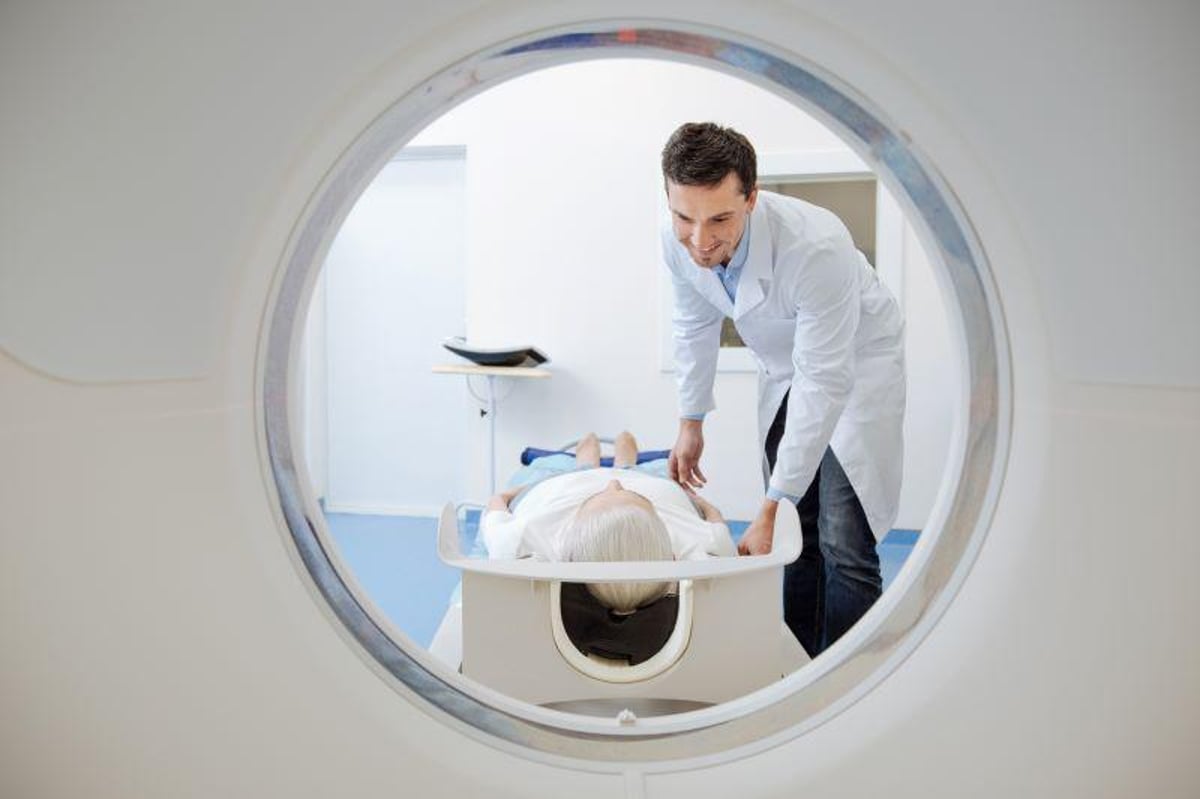
Strategies include seeking alternative versions of contrast agents, sourcing from other vendors
MONDAY, June 27, 2022 (HealthDay News) — In a special commentary published in the Journal of the American College of Radiology, risk mitigation strategies are presented for use during the current iodinated contrast shortage.
Carolyn L. Wang, M.D., from the University of Washington in Seattle, and colleagues developed recommendations on how providers may address the current global shortage of iodinated contrast media.
The researchers note that alternative studies should be used to answer clinical questions such as noncontrast computed tomography (CT), magnetic resonance with or without gadolinium-based contrast media, and ultrasound with or without ultrasound contrast agents. When feasible, nuclear medicine, or positron emission tomography/CT, should be used. Alternative versions of contrast agents should be sought and, if possible, contrast should be sourced from other vendors. Institutional pharmacies should be contacted if there is currently access to higher-volume single-use vials to ascertain whether it is possible to repackage vials in smaller aliquots to reduce waste at the institutional level. Individual dose administration should be minimized to reduce waste. Higher-concentration agents should be reserved for angiographic studies and multiphase studies.
“Our recommendations are not exhaustive or prescriptive,” Wang and colleagues said in a statement. “They are intended as a resource for health care providers to provide high-quality patient care during times of shortage of contrast media.”
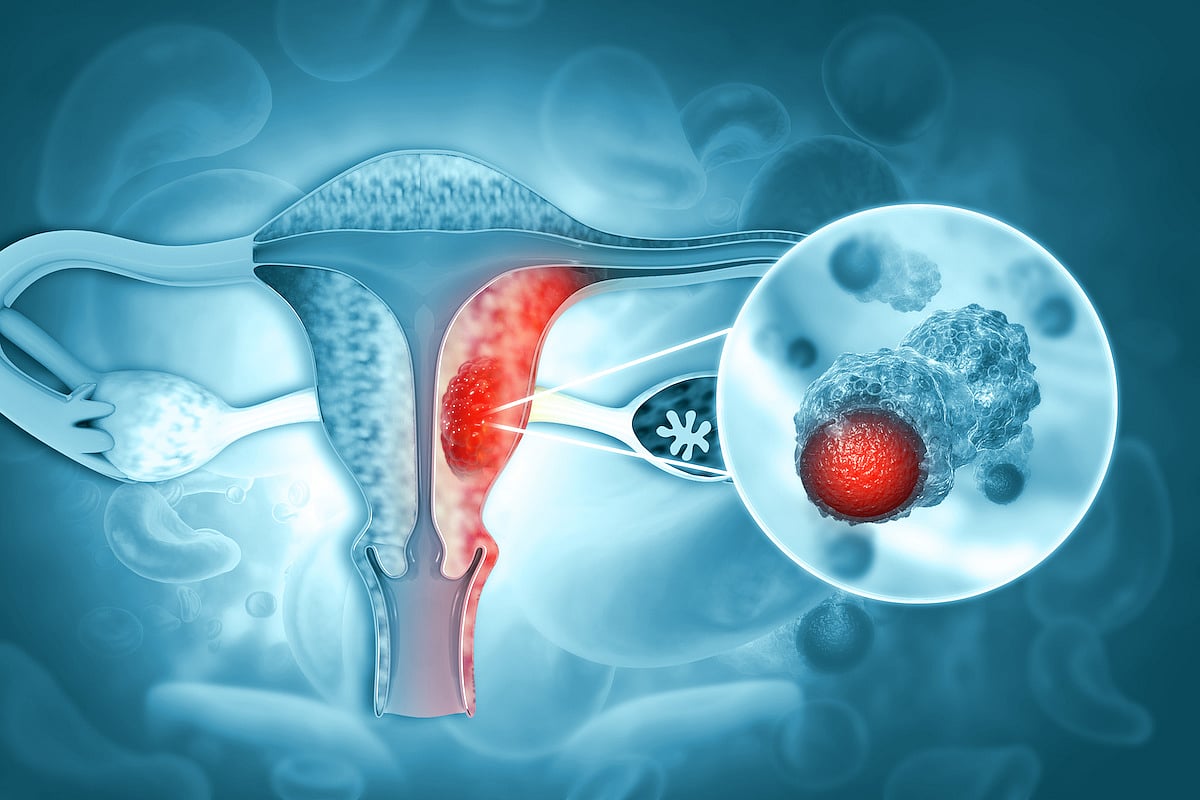 Catheter-Based OCT May Help ID Early Endometrial Cancer
 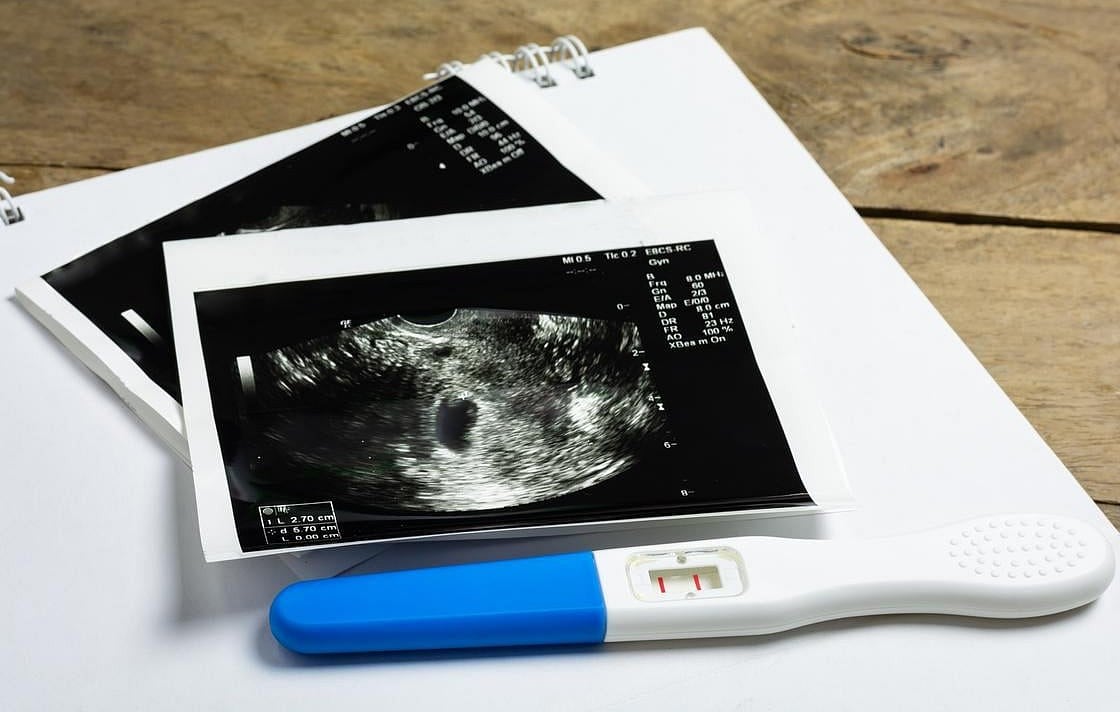 Wearable Ultrasound Patch Provides Continuous Fetal Monitoring
  Volume Rendering of Myocardium, Cardiac Valves Enables Visualization
  Non-Children"s Hospitals More Commonly Use Imaging Exposing Children to Ionizing Radiation
  Unintentional Ingestion of Recreational Drugs Increased, Especially Since 2013
  Protocol IDs Patients Who Can Be Treated While Seated in the ED
  Inclined Sleeper-Associated Sudden Unexpected Infant Deaths Continued After Recall
 .jpg) Bypassing the Closest Surgical Site for Urgent Care Tied to Worse Outcomes
Bypassing the Closest Surgical Site for Urgent Care Tied to Worse Outcomes