


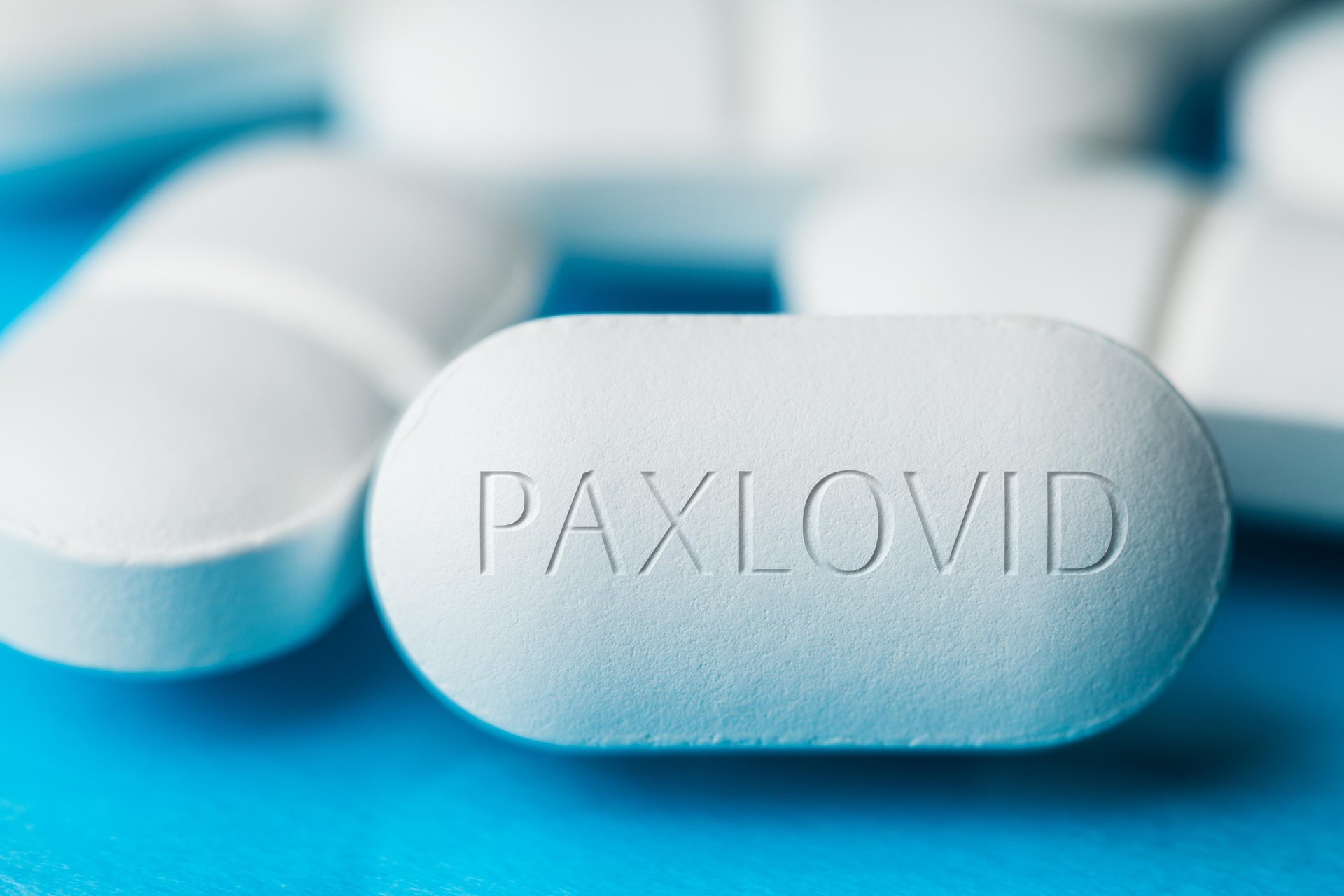
<1 percent of patients to whom Paxlovid was dispensed for mild-to-moderate COVID-19 had hospitalization or ED encounter
TUESDAY, June 28, 2022 (HealthDay News) — Hospitalization and emergency department encounters related to severe acute respiratory syndrome coronavirus 2 (SARS-CoV-2) occur rarely during the five to 15 days after Paxlovid treatment is dispensed for mild-to-moderate COVID-19, according to research published in the June 24 issue of the U.S. Centers for Disease Control and Prevention Morbidity and Mortality Weekly Report.
Deborah E. Malden, D.Phil., from the CDC in Atlanta, and colleagues used electronic health record data from Kaiser Permanente Southern California to describe hospital admissions and emergency department encounters related to SARS-CoV-2 infections during the five to 15 days after a five-day course of Paxlovid. Of the 5,287 persons aged ≥12 years who received Paxlovid during Dec. 31, 2021, to May 26, 2022, 73 and 8 percent had received three or more doses of COVID-19 vaccine and were unvaccinated, respectively.
The researchers identified six hospitalizations and 39 emergency department encounters considered related to SARS-CoV-2 infection during the five to 15 days after Paxlovid treatment was dispensed, representing <1 percent of all patients to whom Paxlovid was dispensed. Of these 45 patients, 47 percent were aged ≥65 years and 78 percent had one or more underlying conditions.
“When administered as an early-stage treatment, Paxlovid might prevent COVID-19-related hospitalization among persons with mild-to-moderate COVID-19 cases who are at risk for progression to severe disease,” the authors write.
Several authors disclosed financial ties to pharmaceutical companies, including Pfizer, the manufacturer of Paxlovid.
.jpg) Most Specialty Oral Anticancer Meds for Blood Cancers Are Initially Rejected by Insurers
 Drug Interactions Reducing Contraceptive Effectiveness Common in Epilepsy
 Holding DMARDs at Time of COVID-19 Vaccine Not Warranted in Those With Inflammatory Arthritis
 1 in 3 With Lupus Take Supplements, Medications With Potential for Interactions
 2013 to 2024 Saw Decrease in Benzodiazepine Prescribing
 GLP-1 Receptor Agonists, SGLT-2is Slow Renal Function Decline in T2D With Albuminuria
 Polypharmacy of Prescription Medications Increased for U.S. Older Adults
 Low Hydroxychloroquine Intake, Blood Levels Linked to ASCVD Risk in Lupus





