


First Lady has received two vaccines plus two boosters, and so far, her symptoms are mild
TUESDAY, Aug. 16, 2022 (HealthDay News) — First Lady Jill Biden has COVID-19 and is experiencing “mild symptoms,” according to her staff.
“After testing negative for COVID-19 on Monday during her regular testing cadence, the First Lady began to develop cold-like symptoms late in the evening,” Biden’s Communications Director Elizabeth Alexander said in a statement released Tuesday. “She tested negative again on a rapid antigen test, but a PCR test came back positive.”
The First Lady has received two vaccines plus two boosters, and so far, her symptoms are mild.
“She has been prescribed a course of [the antiviral drug] Paxlovid and, following CDC guidance, will isolate from others for at least five days,” Alexander said. “Close contacts of the First Lady have been notified,” she added, noting that Biden “is currently staying at a private residence in South Carolina and will return home after she receives two consecutive negative COVID tests.”
According to the Associated Press, the president and first lady have been vacationing in South Carolina since Aug. 10. President Biden only recently recovered from his own mild case of COVID-19 and experienced a “rebound” case during the course of his illness after testing positive a second time. He too was given a course of Paxlovid to help ease any symptoms.
President Biden tested negative for COVID-19 as of Tuesday morning but will wear a mask indoors for 10 days as a precaution, the AP reported. “Consistent with CDC guidance because he is a close contact of the First Lady, he will mask for 10 days when indoors and in close proximity to others,” the White House said in a statement. The president will be tested frequently and results will be reported.
 ~16 Percent of COVID Cases Develop Postacute Sequelae of SARS-CoV-2
  Parts of the World Seeing New COVID-19 Variant
  HHS, NIH Unveil Vaccine Initiative to Protect Against Future Pandemics
  Hospital-Onset SARS-CoV-2 Infection During Omicron Linked to Morbidity
 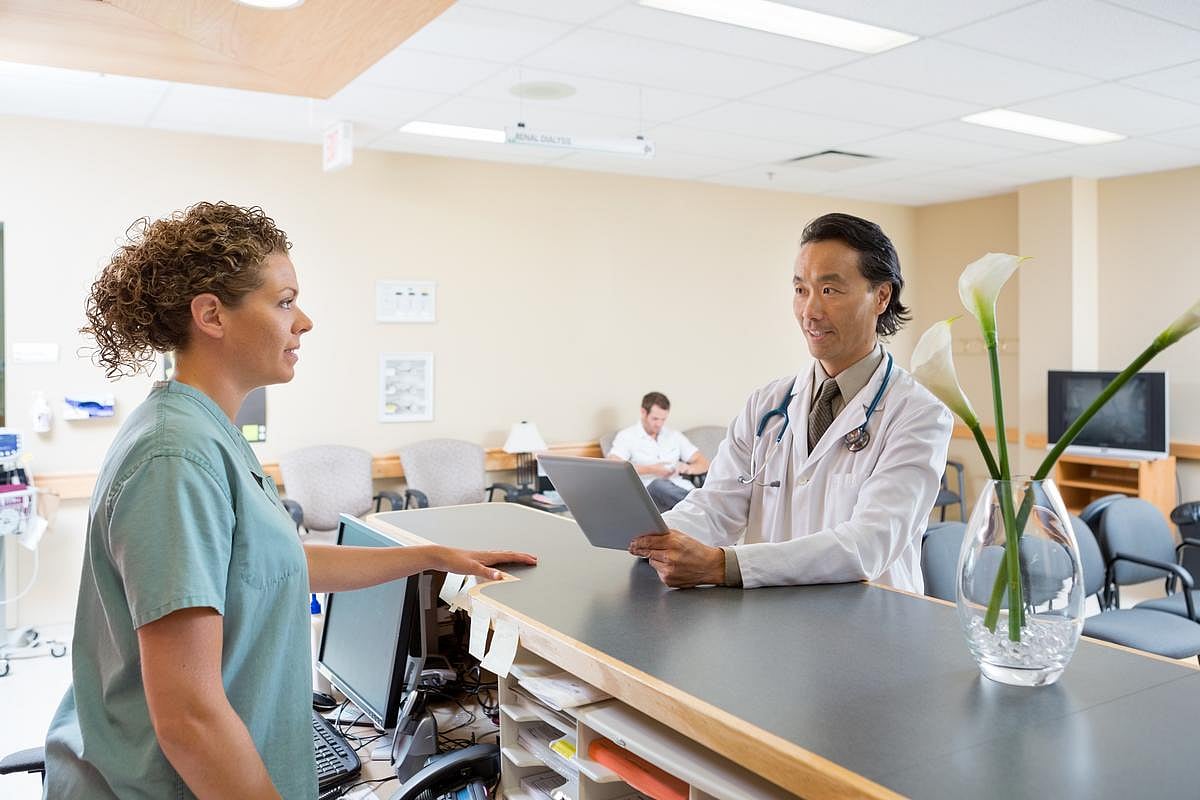 Staffing, Scheduling, and Wage Changes Could Reattract Nurses Back to Hospitals
  Skilled Nursing Facility Capacity Declined Between 2019 and 2024
  Physical Design of Critical Care Units Influences Nursing Culture
  Low Capability Pediatric Hospitals More Than Doubled From 2003 to 2022




