


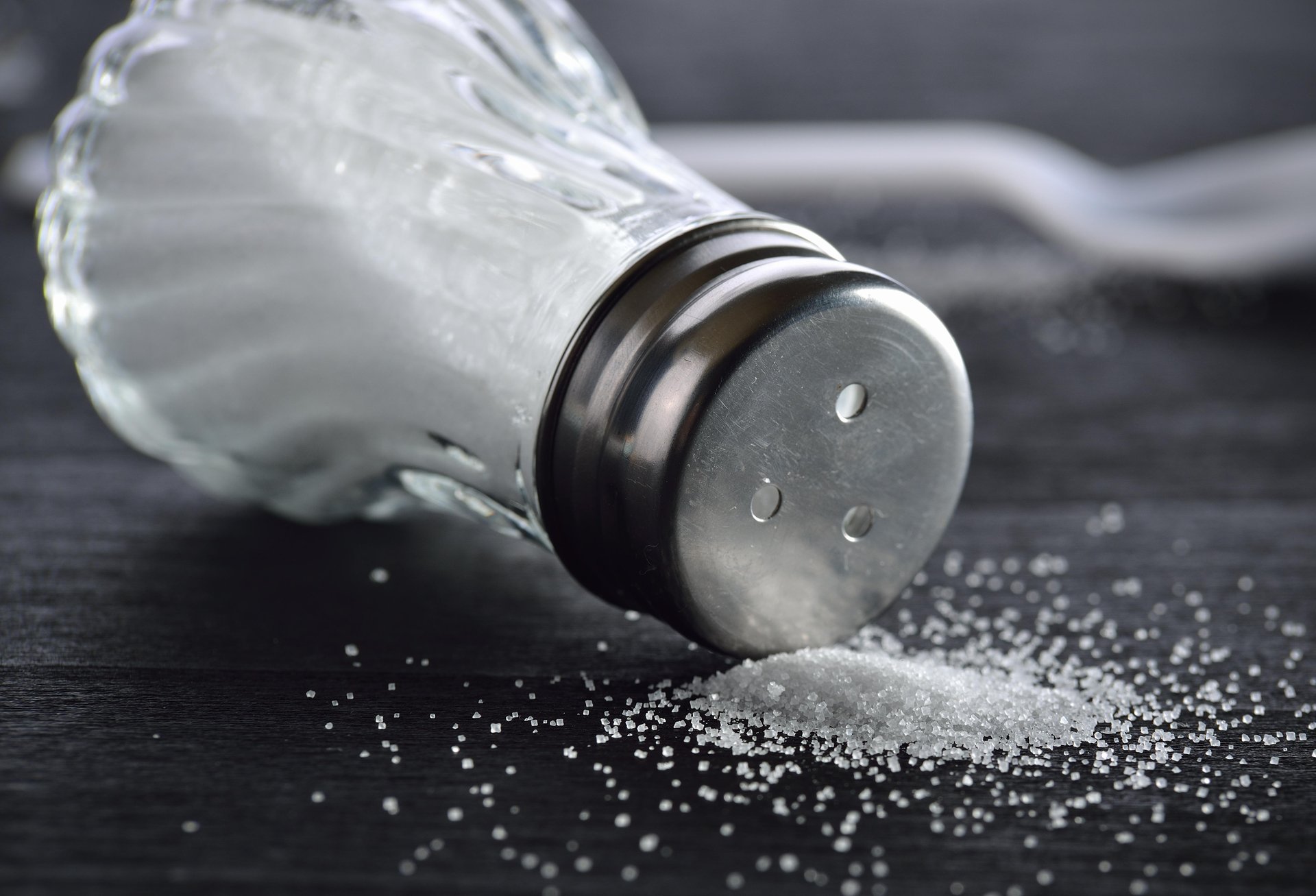
Reducing high salt intake would cut cardiovascular disease and events
THURSDAY, Aug. 18, 2022 (HealthDay News) — Reducing the high salt intake levels in China could result in large declines in cardiovascular disease (CVD) events and death, according to a study published online Aug. 16 in BMJ Nutrition, Prevention & Health.
Monique Tan, Ph.D., from the Queen Mary University of London, and colleagues estimated the potential impact of reducing salt intake on CVD events in China.
The researchers found that reducing population salt intake in China by 1 g per day could lower the risk for ischemic heart disease by about 4 percent and the risk for stroke by about 6 percent. If this reduction could be sustained until 2030, approximately 9 million CVD events could be prevented, of which about 4 million would have been fatal. Even greater salt intake reductions, like the World Health Organization target of a 30 percent reduction by 2025 or the Chinese government’s target of ≤5 g per day by 2030, could prevent 1.5 and two times more CVD events and deaths, respectively.
“A salt reduction program that is workable, coherent, sustainable, and targeting current and upcoming major dietary sources of salt in China is urgently needed,†the authors write. “As the most populous country in the world with a population of 1.4 billion, reducing salt intake in China would also considerably improve global health.â€
 Risk for Poor Outcomes Lower With Faster Sodium Correction in Severe Hyponatremia
  Reducing Salt Content in Bread Can Cut Systolic BP, Cardio-Cerebrovascular Disease
  Lower Cognitive Functioning During 60s Linked to Subsequent Stroke Risk
  Insomnia Linked to Increased Risk for Stroke, Odds of Admission
  Increased Dementia Risk Seen After Transient Ischemic Attack
  UACR, UPCR Provide Indistinguishable Prognostic Information in CKD


.jpg)

