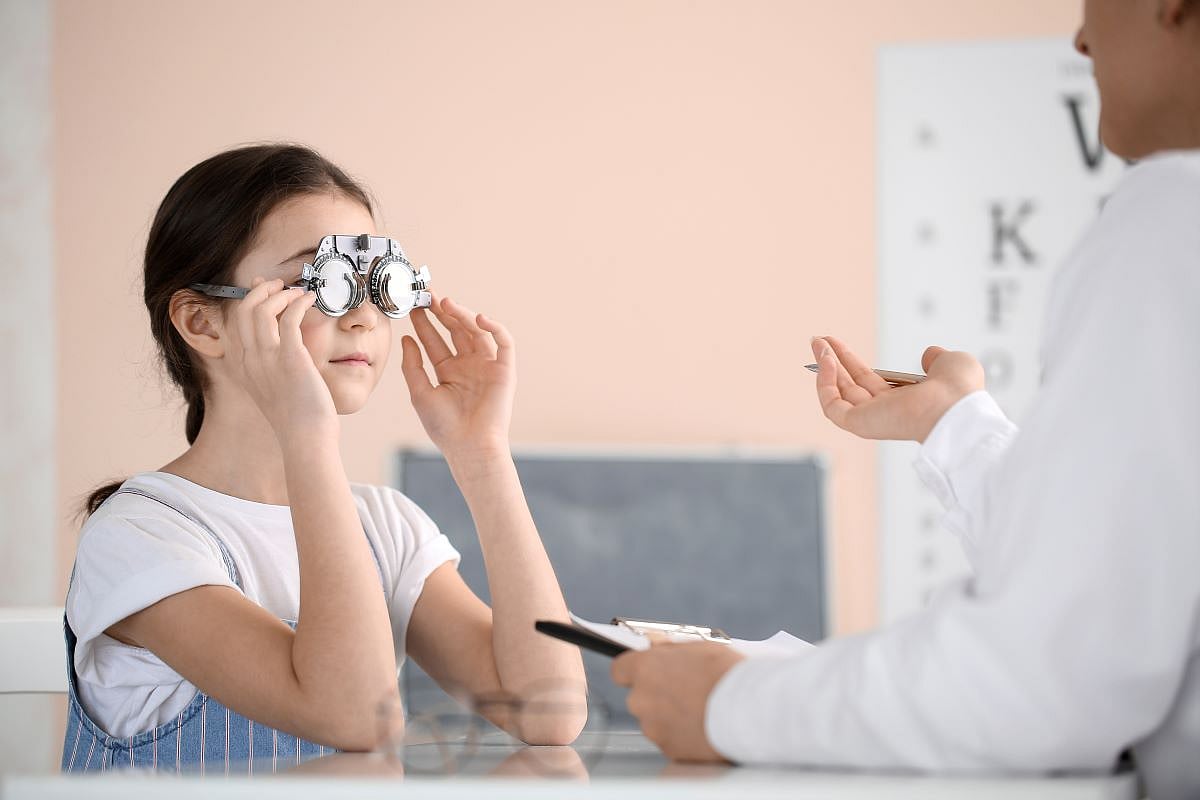
Evidence insufficient for assessing benefits and harms of screening for children and adolescents
TUESDAY, Sept. 13, 2022 (HealthDay News) — The U.S. Preventive Services Task Force (USPSTF) concludes that evidence is insufficient to recommend for or against screening children or adolescents for prediabetes or type 2 diabetes. These findings form the basis of a final recommendation statement published in the Sept. 13 issue of the Journal of the American Medical Association.
Daniel E. Jonas, M.D., M.P.H., from RTI International-University of North Carolina at Chapel Hill Evidence-based Practice Center, and colleagues reviewed the evidence on the benefits and harms of screening children and adolescents for prediabetes and type 2 diabetes. Data were included from eight publications, with 856 participants; six publications were from the Treatment Options for Type 2 Diabetes in Adolescents and Youth study. The researchers found that none of the studies directly examined the benefits or harms of screening.
Based on these findings, the USPSTF concludes that the evidence is insufficient for assessing the benefits and harms of type 2 diabetes screening in children and adolescents (I statement).
“The rate of prediabetes and type 2 diabetes in youth is increasing,” a task force member said in a statement. “It is important that health care professionals be aware of the signs and symptoms of prediabetes and type 2 diabetes and use their judgment when determining whether or not to screen youth.”
 2005 to 2023 Saw More U.S. Women Never Screened for Cervical Cancer
  Machine Learning Model IDs Heart Failure With Reduced Ejection Fraction Using Routine Lab Indicators
  Addition of CAC to PREVENT-ASCVD Equations May Improve Predictive Utility in Certain Patients
  Patient Education Increases Skin Cancer Screening in Stem Cell Transplant Survivors
  Biomarkers Plus Kidney Donor Profile Index Improve Prediction of Concordant Allograft Outcomes
  Genomic Newborn Screening Could ID Cancer Predisposition Syndrome
  Female Emergency Medicine Physicians Order More Tests, Admit More Patients
  1 in 3 Women and 1 in 4 Men Engage in Intentional Outdoor Tanning