


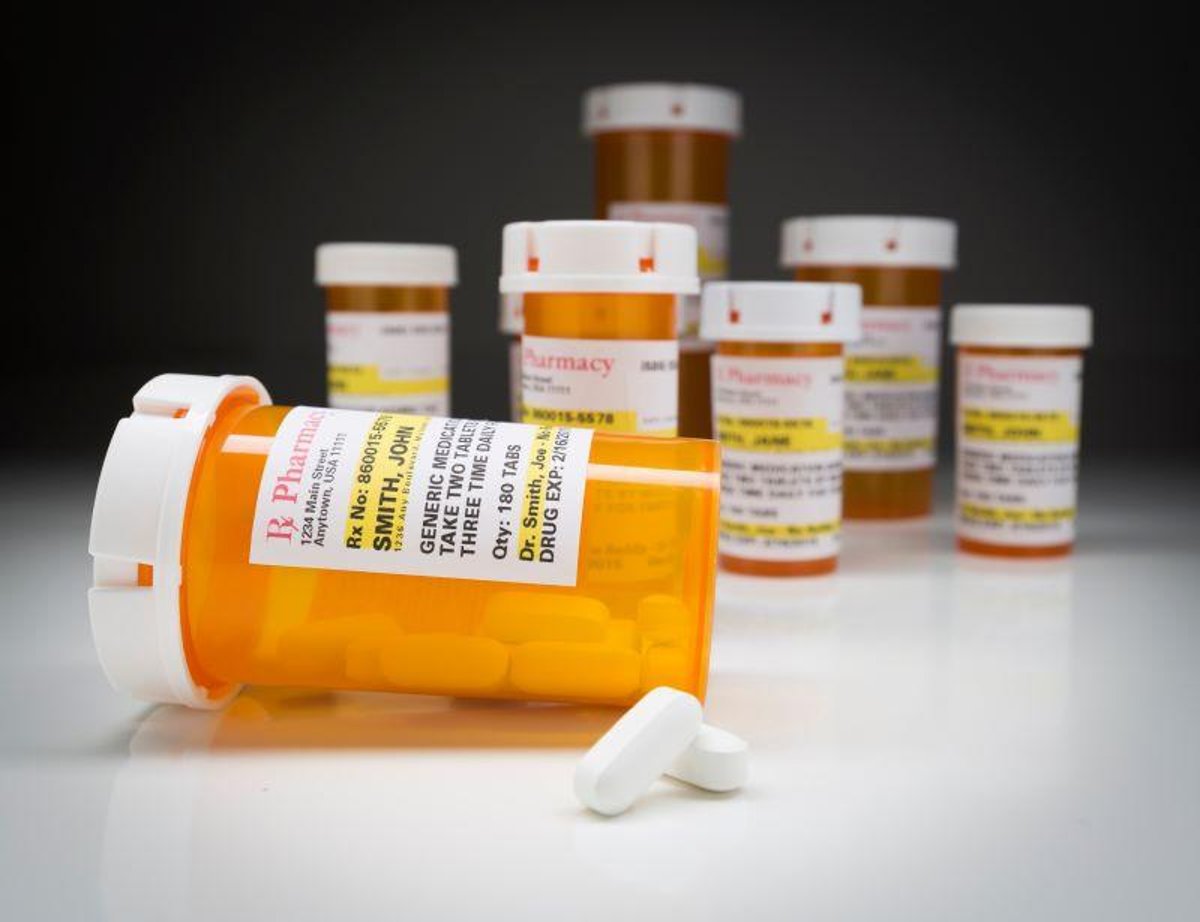
Authors say proper disposal of unused medications is important to protect children and the environment
THURSDAY, Oct. 27, 2022 (HealthDay News) — Parents commonly keep medicines long after they are expired or no longer needed in their home, according to the results of a survey released by the C.S. Mott Children’s Hospital National Poll on Children’s Health.
Sarah J. Clark, and colleagues from the C.S. Mott Children’s Hospital National Poll on Children’s Health at University of Michigan in Ann Arbor, surveyed 2,023 adults (August to September 2022) who were parents having at least one child (age 0 to 18 years) living at home.
The results show that nearly all parents have adult-strength (90 percent) and/or children’s-strength (70 percent) over-the-counter medicine in their home and 46 percent report having leftover prescription medicine at home from an adult (40 percent) and/or child (23 percent). Parents acknowledge not knowing the best way to dispose of unneeded or expired medicine, but two-thirds say they have thrown the medicine in the trash and 16 percent say they flushed medicine down the toilet or sink. Less than one-third (30 percent) say they have taken expired or leftover medicine to a drop box at a pharmacy, hospital, or doctor’s office. More than one-third of parents (37 percent) believe it is “never OK” to give their child expired over-the-counter medicine, but one in five think it is OK if the medicine is expired by one month and 15 percent say it is OK at one year or more.
“Unused and expired medications are a public safety issue and pose health risks to children,” Clark said in a statement. “It’s important that parents dispose of them properly when they’re no longer needed to reduce risks of kids getting sick as well as the negative impact on the environment.”
.jpg) Most Specialty Oral Anticancer Meds for Blood Cancers Are Initially Rejected by Insurers
 Drug Interactions Reducing Contraceptive Effectiveness Common in Epilepsy
 1 in 3 With Lupus Take Supplements, Medications With Potential for Interactions
 Holding DMARDs at Time of COVID-19 Vaccine Not Warranted in Those With Inflammatory Arthritis
 Age-, Joint-Specific Ultrasound Reference Values Set for Healthy Joints
 2013 to 2024 Saw Decrease in Benzodiazepine Prescribing
 GLP-1 Receptor Agonists, SGLT-2is Slow Renal Function Decline in T2D With Albuminuria
 Polypharmacy of Prescription Medications Increased for U.S. Older Adults





